Leave Your Message
Choosing Wheel Balancing And Alignment equipment in 2026 means matching technology to real workshop demands, not chasing the longest feature list. S&P Global Mobility reported that the average age of U.S. light vehicles reached 12.6 years in 2024. Older vehicles can bring recurring tire, suspension, and steering work into service bays. USTMA’s annual tire shipment reporting also tracks a substantial replacement-tire market. Together, these sources point to a practical need: equipment should support consistent inspections and repeatable results.
Small errors matter. A balancer that struggles with wheel variations can slow a busy bay, while poorly calibrated alignment sensors can undermine a careful adjustment. Buyers should compare vehicle coverage, measurement accuracy, calibration routines, bay dimensions, software updates, and technician training. Think about daily workflow, too: Can one technician mount a wheel, enter dimensions, and complete a measurement without awkward workarounds? Will the alignment system handle the vehicles your shop actually sees? These details often matter more than a polished demonstration.
There is no universal best machine. A high-volume shop may value speed and automation; an independent garage may prioritize flexible fitment and service support. Published vehicle-age and tire-market data offer context, not a guarantee of local demand. That distinction is easy to overlook. Before purchasing, review your service history, test representative vehicles, and ask vendors to explain calibration and maintenance costs in writing. The best choice is the one your team can use accurately, maintain reliably, and justify with evidence—not the one with the most impressive brochure.
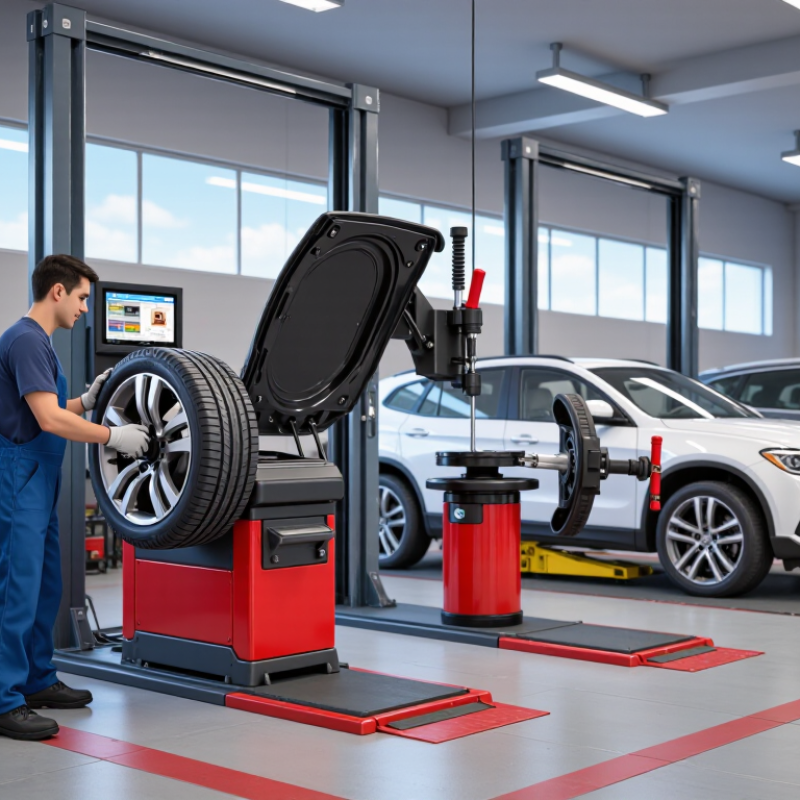
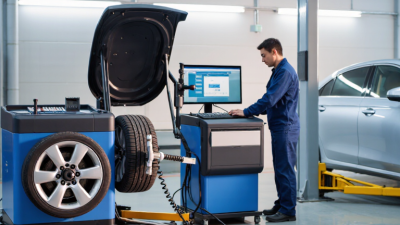
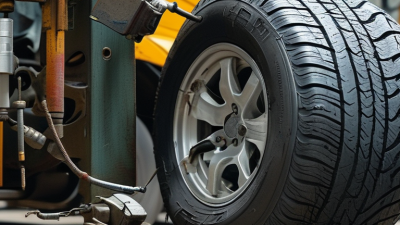
Wheel balancing and wheel alignment equipment solve different problems. A balancer measures how mass is distributed around a tire and wheel assembly. The operator adds small weights where the machine indicates. A steering wheel that shakes at highway speed may point to imbalance, though worn suspension parts can create similar symptoms.
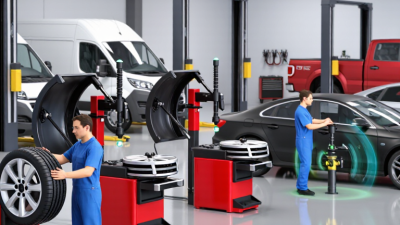
An alignment system measures wheel angles, including toe, camber, and caster. These settings affect tire wear and how a vehicle tracks on the road. Choose equipment that suits the vehicles you service, their wheel sizes, and your available floor space. For alignment work, check that the lift and measuring targets fit your workflow. For balancing, look for secure wheel clamping and clear, repeatable readings. Small details matter.
Calibration and operator training matter as much as the machine. Dust on a mounting surface or a poorly centered wheel can distort a balance reading. Even good equipment can give poor results when setup is rushed. There is no perfect setup for every shop. A high-volume workshop may need faster measurement cycles, while a smaller shop may value simple controls and dependable support. Compare service needs carefully, and question any feature you cannot explain or use. One honest limitation: equipment cannot diagnose every vibration or uneven wear problem by itself.
| Equipment type | Best suited for | How it works | Key capabilities to compare | Space and setup needs | Selection checks |
|---|---|---|---|---|---|
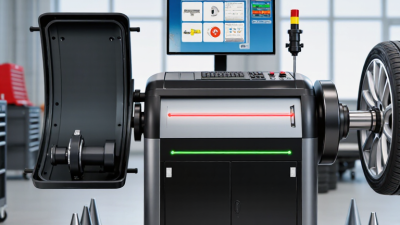
| Standard wheel balancer | General passenger-car and light-truck tire service | Spins the wheel assembly and measures imbalance so corrective weights can be positioned. | Rim diameter and width range, maximum wheel-and-tire weight, measurement units, balancing modes, and cycle time. | Requires a stable, level floor, a suitable electrical supply, and enough clearance to load and handle wheels safely. | Check that the included cones, collets, and adapters fit the wheel types serviced. Confirm the machine supports the shop’s required static and dynamic balancing tasks. |
| Road-force wheel balancer | Shops diagnosing vibration or wheel-and-tire uniformity concerns | Measures imbalance and applies a load roller to assess changes in tire and wheel force as the assembly rotates. | Load-roller capability, runout measurement, match-mounting guidance, wheel-size range, and reporting features. | Needs the same stable installation considerations as a standard balancer, plus clearance and capacity for the load-roller assembly. | Compare the specified measurement limits and procedures. Road-force readings help with diagnosis but do not by themselves identify every cause of vehicle vibration. |
| Camera-based 3D wheel aligner | High-throughput shops and workshops that want quick, simultaneous wheel measurements | Uses cameras and targets or sensors to calculate wheel angles and display alignment readings. | Vehicle database coverage, measurement range, target setup, update availability, and compatibility with the alignment lift. | Requires a compatible, level alignment bay with clear camera sightlines and adequate space around the vehicle. | Confirm the system supports the shop’s vehicle mix and lift geometry. Ask how calibration, software updates, and replacement targets are handled. |
| CCD or electronic-sensor wheel aligner | General alignment work where a sensor-based setup fits the shop’s workflow and budget | Measures wheel positions using electronic sensors mounted to the wheels and communicates readings to a display. | Sensor range, setup and compensation procedure, cable or wireless arrangement, vehicle coverage, and database support. | Needs a compatible alignment rack or lift, adequate bay space, and room to mount and handle sensors around the vehicle. | Check sensor condition and calibration requirements, along with the time and training needed for setup and measurement. |
| Alignment lift, turn plates, and slip plates | Any shop performing accurate four-wheel alignment measurements | Supports the vehicle at working height while allowing wheels to rotate or move laterally during measurement and adjustment. | Rated lifting capacity, runway dimensions, leveling provisions, turning-plate range, and compatibility with the aligner. | Requires an appropriate foundation, electrical or hydraulic installation as applicable, and sufficient bay length and ceiling height. | Verify vehicle weight and wheelbase requirements, installation conditions, safety features, and applicable local regulations before purchase. |
Note: Specifications, measurement limits, installation requirements, and service intervals vary by equipment model. Confirm current manufacturer documentation and local electrical, building, and safety requirements before installation.