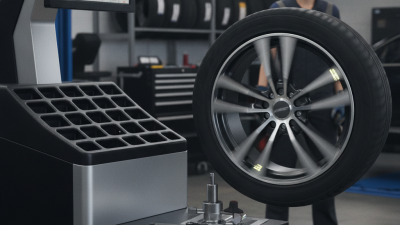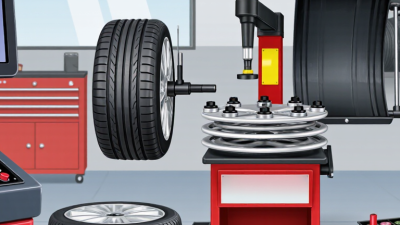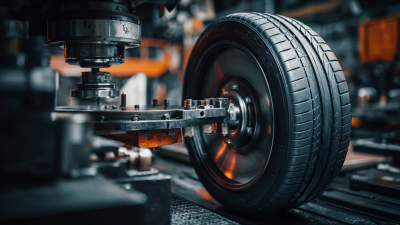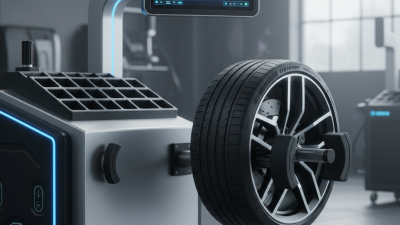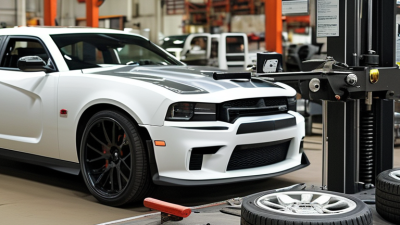
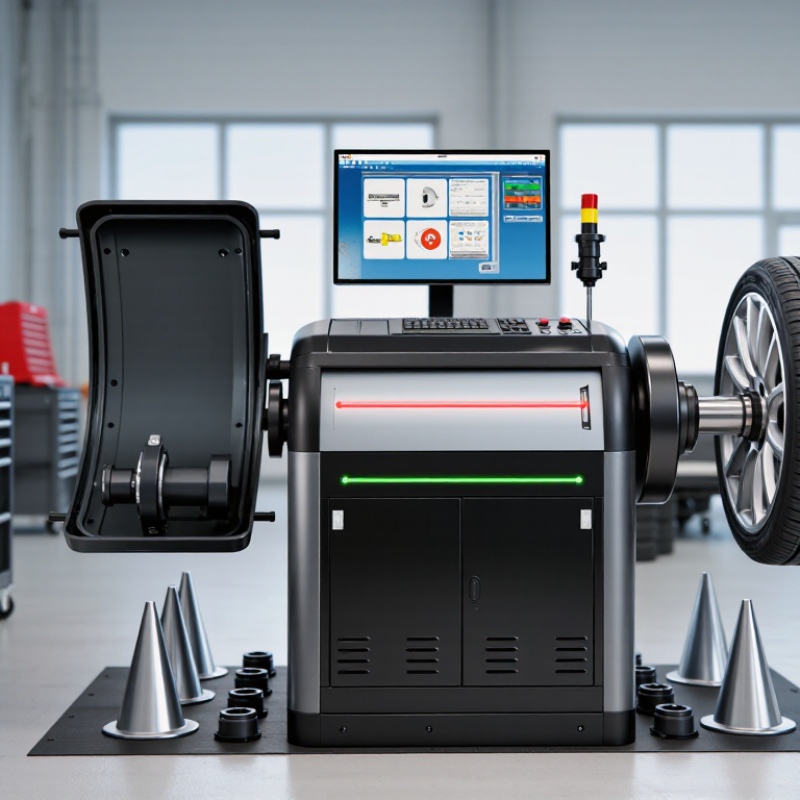
A car tire balancing machine is a workshop device that detects uneven weight around a wheel and tire assembly. The operator mounts the wheel on a rotating spindle. Sensors measure vibration, position, and sometimes rim width. The display then identifies where correction weights should be placed.
An unbalanced wheel can cause steering shake, uneven tread wear, and extra stress on suspension parts. During service, the technician should clean mud, stones, and old adhesive from the rim. Even a small amount of debris can change the reading. The machine must also receive the correct wheel dimensions. A wrong rim offset entry can produce a convincing but inaccurate result.
Modern equipment may offer automatic data arms, laser positioning, and multiple balancing modes. These features save time, but they do not replace judgment. In real workshop use, readings may vary after remounting a tire. That is normal enough to check, not ignore. Calibration, a stable floor, and a properly tightened cone improve repeatability. I have seen operators trust the first result too quickly. A second spin often reveals a fitting mistake. The best buying choice depends on service volume, wheel sizes, measurement accuracy, and the technician’s patience with routine checks.