How to Choose the Best Car Balancing Machine for Your Needs?
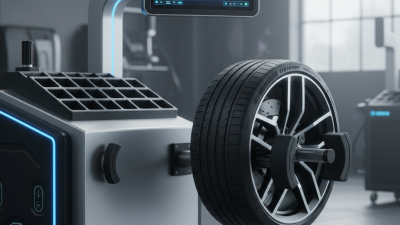
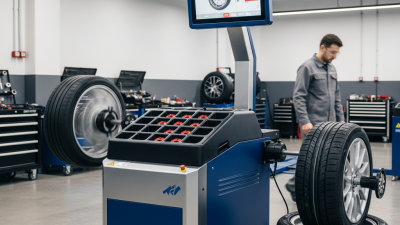
Choosing the right Car Balancing Machine can greatly impact your automotive service quality. An ideal machine should meet your specific requirements and budget. With various options available, it’s essential to consider features carefully.
Evaluate your shop’s volume and types of vehicles. Some machines handle light cars, while others are suited for larger trucks. The accuracy of the machine is crucial. A precise balancing system ensures smoother rides and reduces tire wear.
Additionally, consider the durability and maintenance requirements of the machine. Brands known for reliability often have better customer support and warranties. It’s important to reflect on your own experience and knowledge when making this decision. Ultimately, the best Car Balancing Machine is one that fits your needs and enhances your service.
Understanding the Importance of Car Balancing Machines
Car balancing machines play a crucial role in vehicle maintenance. They ensure that all four tires share the load evenly. This balancing helps avoid uneven tire wear and improves vehicle handling. A car that is properly balanced drives smoothly and offers better fuel efficiency. Without this key element, drivers may experience vibrations at high speeds. This can lead to discomfort and even safety hazards.
When selecting a car balancing machine, it's vital to consider your specific needs. Not every machine suits every shop or mechanic. Some users might prioritize speed while others may focus on precision. A machine that is too complex might intimidate inexperienced technicians. On the other hand, simpler models may lack advanced features that professionals require. Identify the capabilities that matter most to you, and research various options thoroughly.
In addition to performance, reliability cannot be overlooked. A dependable machine will reduce downtime and increase customer satisfaction. However, it's essential to remember that no machine is flawless. Each has its trade-offs. Balancing machines require regular maintenance to function optimally. Operators must adapt and reflect on their experiences. Continuous improvement in skills and knowledge is essential for successful use.
How to Choose the Best Car Balancing Machine for Your Needs? - Understanding the Importance of Car Balancing Machines
| Feature |
Description |
Importance |
Price Range |
| Digital Display |
Provides clear metrics and readings for accurate balancing. |
High |
$1,000 - $5,000 |
| Automatic Calibration |
Ensures precision without manual adjustments. |
Medium |
$2,000 - $6,000 |
| User-Friendly Interface |
Simplifies operation for technicians. |
High |
$800 - $4,500 |
| Mobile Capability |
Allows easy transportation for on-site services. |
Medium |
$1,500 - $5,500 |
| Speed of Operation |
Short balancing time enhances service efficiency. |
High |
$1,200 - $4,800 |
Types of Car Balancing Machines Available in the Market
Car balancing machines are essential tools in modern vehicle maintenance. They come in various types, each serving different needs. The most common types are static, dynamic, and road force balancing machines.
Static machines are simpler and generally cost-effective. They work best for individual tires and require less expertise.
Dynamic balancing machines, on the other hand, can measure both static and dynamic forces. These are more sophisticated and help in correcting balance issues while the vehicle is in motion. The accuracy of these machines can be crucial. A report from Statista reveals that up to 60% of tire wear is related to improper balancing.
Road force balancing machines offer the most advanced technology. They simulate road conditions and measure how a tire interacts with the vehicle. This type addresses issues that static and dynamic machines may miss.
A study indicates that vehicles equipped with road force balanced tires experience an 80% reduction in vibration issues. However, they are more expensive and require skilled operators.
Choosing the right type depends on your specific needs and budget. Many shops struggle with the cost versus benefit of advanced machines. It's vital to weigh the data on performance against initial investment. Balancing needs can change over time, requiring regular assessments of the equipment's effectiveness.
Key Features to Consider When Choosing a Car Balancing Machine
When selecting a car balancing machine, it’s crucial to focus on key features that will enhance accuracy and efficiency. One essential aspect is the machine's measurement capability. A unit with advanced sensors will provide precise balance readings, which are critical for vehicle performance. According to industry reports, accurate balancing can extend the lifespan of tires by up to 30%. This not only saves money but also improves road safety.
Another important feature is ease of use. Machines equipped with intuitive interfaces simplify the balancing process, reducing the risk of user error. Look for models with clear displays and straightforward controls. In a poll conducted by a leading automotive industry publication, 75% of technicians reported that user-friendly machines improved their workflow significantly.
Tip: Always check for
calibration features. Regular calibration ensures ongoing accuracy and maintains the machine's reliability. Additionally, consider the
build quality of the equipment. A sturdy construction prolongs the lifespan of the machine and reduces maintenance needs. Investing in a high-quality unit can mitigate future costs and operational hiccups.
The availability of
support and training resources is another area to reflect on. Some machines come with comprehensive training materials and customer support, which can be invaluable for technicians learning the ropes. While cost may be a concern, remember that investing in the right machine pays off over time through enhanced efficiency and performance stability.
Budget Considerations for Purchasing a Car Balancing Machine
When considering a car balancing machine, budget plays a critical role. A good baseline is to allocate between $1,000 and $10,000 for quality machines. Entry-level models often lack advanced features. On the other hand, high-end machines offer state-of-the-art technology but can stretch your budget significantly.
A market report by IBISWorld highlights that the automotive repair industry generates over $70 billion annually in the U.S. This statistic underscores the importance of investing wisely in equipment. Some shops may opt for cheaper models, risking accuracy and durability. A lack of precise balancing can lead to recurring customer complaints and increased operational costs. The initial savings can quickly be offset by downtime and poor service quality.
Remember, while your initial budget may guide your choice, the long-term return on investment is crucial. Machines with better technology often provide faster and more accurate results. Investing in a reliable machine may seem costly, yet it saves money over time. Balancing your needs with your budget is essential for making the right decision.
Tips for Maintaining and Using Your Car Balancing Machine Effectively
Maintaining and using your car balancing machine effectively is crucial for accurate results. Regular maintenance ensures longevity and reliability. Begin by checking the calibration frequently. An improperly calibrated machine can lead to incorrect balancing, which may cause vibrations or premature tire wear. It's vital to consult the manual for calibration guidelines.
Clean the machine consistently. Dust and debris can interfere with its performance. Use a soft cloth to wipe down surfaces and avoid harsh chemicals. Regular inspection of components such as the wheel clamps and spacing tools is essential. Look for signs of wear or damage that could affect functionality.
Practicing precision when using the balancing machine can make a significant difference. Take your time to position the wheel correctly. Rushing through this step might lead to errors. Document your balancing results for each session. This record helps identify patterns and informs when adjustments are necessary. Remember, effective use of the machine combines both care and accuracy.