Best Car Balancing Machine for Optimal Performance?
Choosing the best car balancing machine is crucial for optimal vehicle performance. A well-balanced car enhances handling, improves tire longevity, and ensures driver safety. Many automotive professionals understand this, but not all appreciate the nuances involved in selecting the right equipment.
Car balancing machines come in various types, from manual models to advanced digital options. Each type has its own strengths and weaknesses. For instance, manual machines require more skill to operate effectively, while digital models may offer precision but can be costly. Consider what fits your needs and budget.
Reflect on your experience with balancing machines. Have past choices led to satisfactory results? The ideal machine should not only suit your workshop space but also meet your performance expectations. Balancing machines are an investment in safety and efficiency, making informed decisions essential.
Understanding Car Balancing Machines and Their Importance
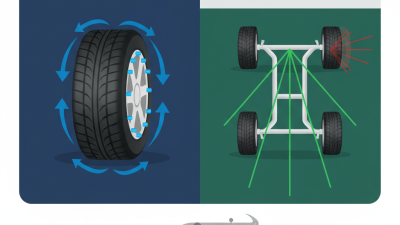
Car balancing machines play a crucial role in vehicle maintenance. They ensure that tires wear evenly and improve overall driving comfort. But many car owners overlook their importance. A poorly balanced wheel can cause vibrations, leading to fatigue and reduced safety. It’s essential to address this issue to achieve an optimal driving experience.
When using a car balancing machine, precision is key. Each tire must be balanced correctly to avoid uneven wear. Many garages and tire shops have advanced machines that can measure even the slightest imbalance. However, some older equipment may not provide reliable results. Investing in a quality machine can improve service efficiency and customer satisfaction.
Not all balancing machines are created equal. Their operation requires expertise. Without proper training, mistakes are likely to happen. It’s easy to assume a machine will give perfect results, but human error can lead to issues. Regular recalibration and training sessions are essential for technicians. This ensures accuracy and builds trust in the service provided.
Optimal Performance of Car Balancing Machines
Types of Car Balancing Machines Available on the Market
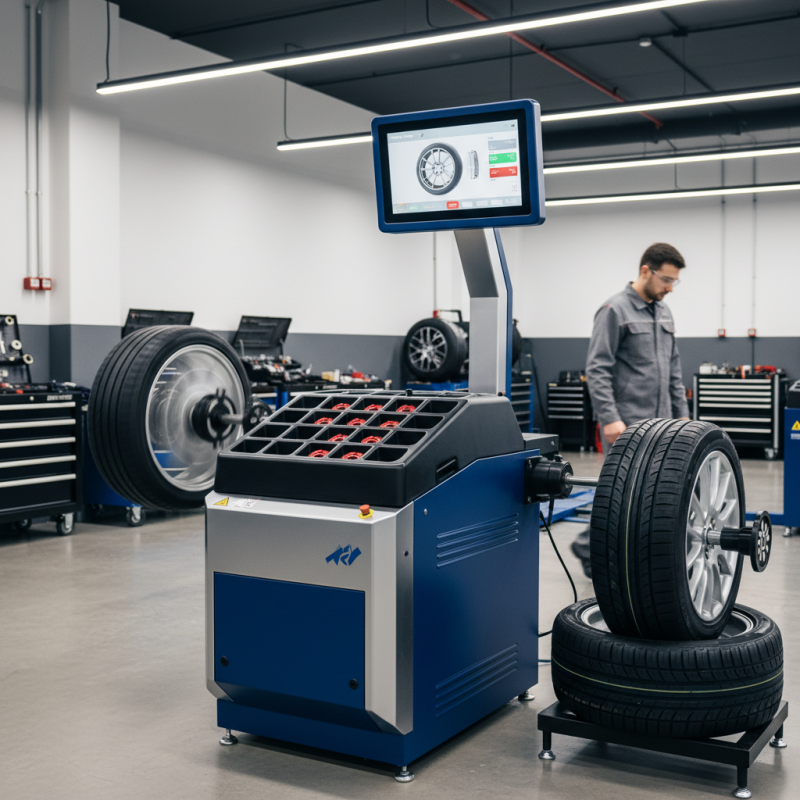
When shopping for a car balancing machine, it's essential to understand the different types available. Wheel balancers are crucial for ensuring a smooth ride. They help minimize vibration, improve tire life, and enhance handling.
There are primarily two types of wheel balancers: static and dynamic. Static balancers are simpler. They require the wheel to be placed on a horizontal shaft and then checked for imbalance. These are often used for basic, low-speed applications. Dynamic balancers, on the other hand, measure balance at higher speeds. They can detect both lateral and vertical imbalance, making them more versatile.
Another option is the road-force balancer. This machine simulates road conditions. It can identify problems that may not show up with other machines. Some users find that while these machines offer more information, they can also be complex to operate. Regular maintenance is also vital for all types. Users often overlook this aspect, leading to inaccurate readings. Testing different machines before committing can help identify what works best for your needs. Each type has its advantages and limitations, so personal experience will guide your decision.
Top Brands and Models for Performance and Reliability
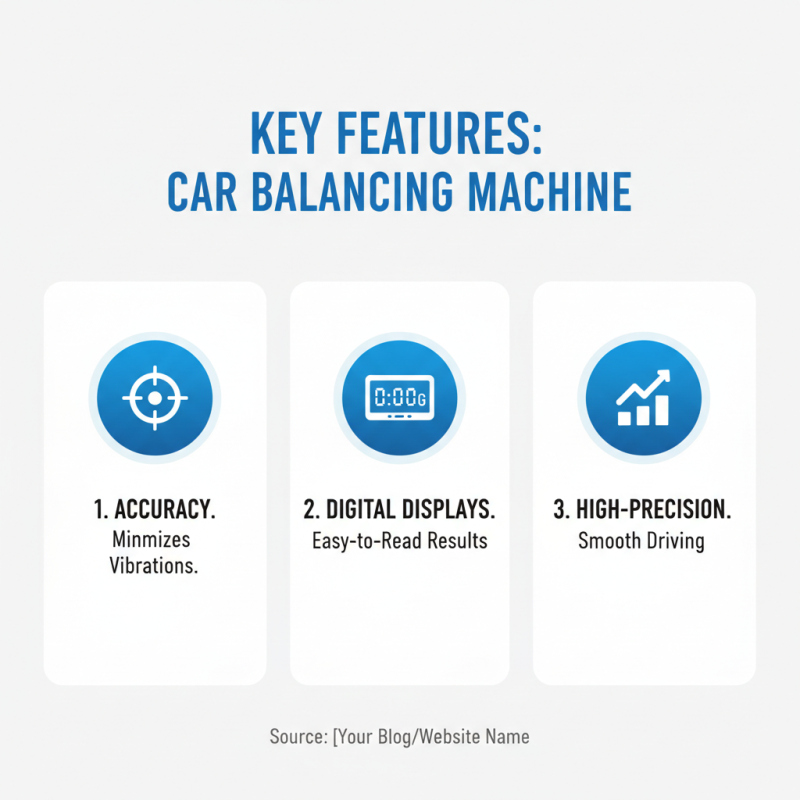
When selecting a car balancing machine, several key factors influence performance and reliability. A quality machine can enhance tire longevity and improve vehicle handling. Look for features like automatic calibration and user-friendly interfaces. This can simplify the balancing process and reduce the chances of error.
Tips: Regular maintenance of your balancing machine is crucial. Clean the sensors and calibration tools often. A well-maintained machine can prevent inaccuracies that lead to poor performance.
Popular models are known for their sturdiness and precision. They often include advanced technology, like digital readouts and automatic measurements. However, the best brand for you depends on your specific needs, budget, and workshop space. Sometimes, investing in a higher-quality machine pays off.
Tips: Always read user reviews before purchasing. Real-world experiences can highlight potential flaws not mentioned in product descriptions. Trustworthy sources, both online and offline, can guide your decision effectively. Make sure to consider warranty options. A solid warranty can offer peace of mind for your investment.
Best Car Balancing Machine for Optimal Performance
| Model |
Type |
Weight Capacity (lbs) |
Balancing Speed (RPM) |
Price ($) |
Customer Rating (out of 5) |
| Model A |
Digital |
800 |
120 |
1500 |
4.5 |
| Model B |
Manual |
600 |
100 |
900 |
4.0 |
| Model C |
Computerized |
1000 |
140 |
2000 |
4.7 |
| Model D |
Hybrid |
115 |
1200 |
4.2 |
Maintaining and Calibrating Your Car Balancing Machine for Longevity
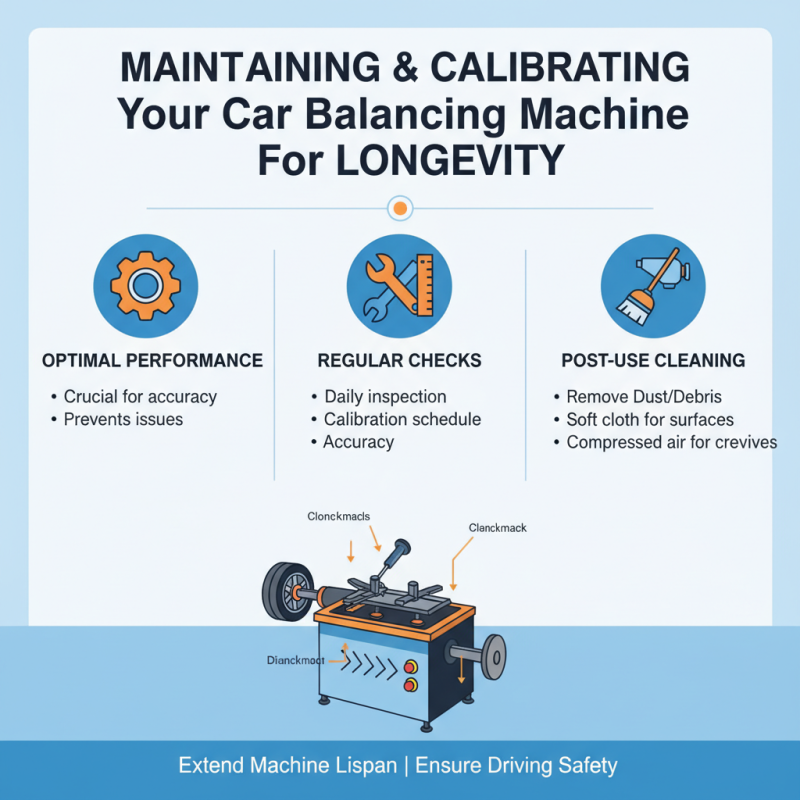
Maintaining and calibrating your car balancing machine is crucial for achieving optimal performance. Regular checks can prevent small issues from escalating. Dust and debris can build up, affecting accuracy. Cleaning the machine after use helps maintain its integrity. A soft cloth can clear the surface, while compressed air can remove stubborn particles from crevices.
Calibration is another essential part of machine care. Periodically check the machine's alignment with a certified weight. Ideally, this should be done every few months, or after heavy use. If the readings seem off, recalibration may be necessary. It’s not uncommon for users to overlook this step until problems arise.
Using the machine correctly is just as important. Familiarize yourself with the manual. Misunderstanding settings can lead to erroneous readings. If results seem inconsistent, take a moment to reflect on your setup and technique. Adjustments to technique can yield better outcomes, ensuring the longevity of your equipment. Consider training or workshops to enhance your skills in using the machine efficiently.