How to Choose the Best Car Tyre Changer in 2026?
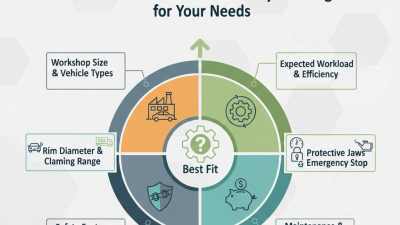
Choosing the right Car Tyre Changer in 2026 means matching the machine to the work, not chasing the longest feature list. A busy workshop changing low-profile tyres needs different support from a small garage handling standard passenger-car wheels. Rim diameter, tyre width, bead stiffness, and daily job volume all affect the choice. Small details matter.
This guide explains the main machine types, practical features, and questions worth asking before you buy. Look closely at clamping range, assist-arm design, operating controls, and the space required around the unit. Check that the machine suits your wheel sizes and follows the equipment maker’s installation and maintenance guidance. A tempting low price may not include fitting, service, or parts availability. Those costs add up.
Real workshop conditions are less tidy than a product page suggests. An awkward wheel, a crowded bay, or an inexperienced operator can expose limitations quickly. There is no universal best model. That matters. Consider who will use the machine, how often, and what support is available if it needs attention. Reliable specifications and a hands-on demonstration can help, though neither replaces careful assessment of your own workload. The right choice should protect wheels, support safe working habits, and make routine jobs manageable without paying for features your team will rarely use.
Understand the Main Types of Car Tyre Changers
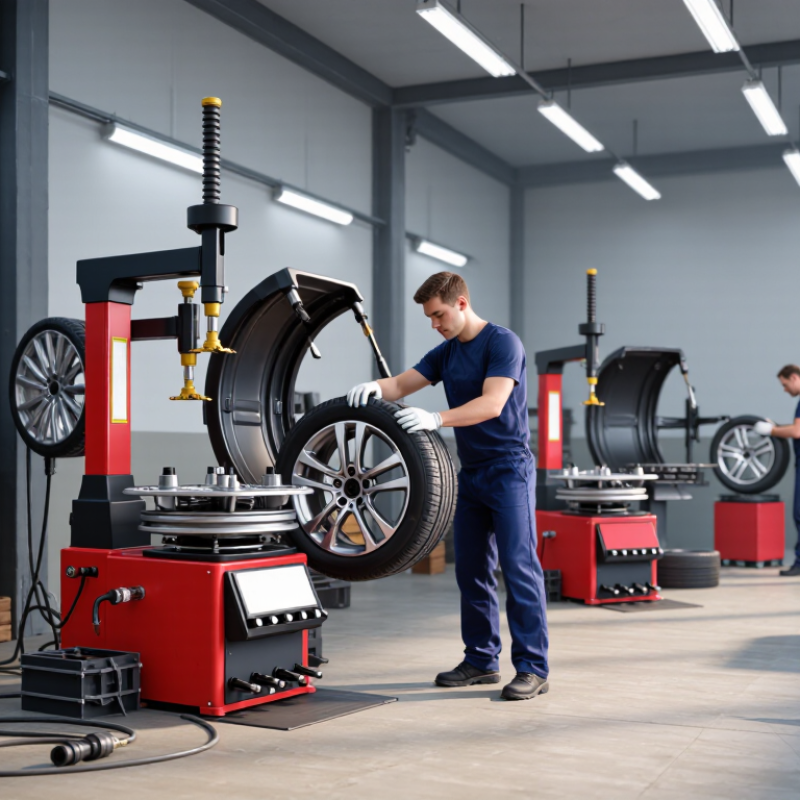
Manual changers generally fall into manual, semi-automatic, and automatic designs. A manual changer uses a hand-operated lever to lift the tyre bead over the rim. It can suit occasional work, but demands steady technique and more physical effort. On a low-profile tyre, a rushed movement may scratch the wheel or strain the bead. Slow down.
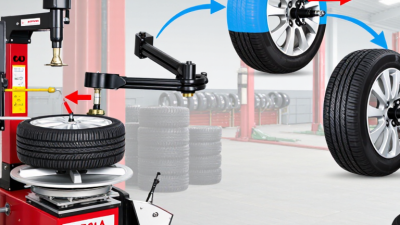
Semi-automatic models typically have a swing-arm tool head that the operator positions by hand. They offer a practical balance for smaller garages handling varied passenger cars. Check the clamping range against the wheels you service, and look for controls that are easy to reach while keeping hands clear. A helper arm can press stiff sidewalls into the drop centre, reducing effort on wide or run-flat-style tyres. It helps, but it does not replace correct lubrication or careful positioning.
Automatic tilt-back changers move the mounting column away from the wheel, which can make repeated jobs smoother and leave more working space. They often suit busier workshops, though setup, maintenance, and operator training matter. An advanced machine is not automatically the best fit. Consider floor space, power supply, wheel sizes, and daily workload before choosing. Even experienced technicians can underestimate how much awkward wheel handling slows a job. The quiet details matter.
Match Machine Capacity to Your Vehicles and Tyre Sizes
A car tyre changer should match the vehicles you service, not just the space available in your workshop. Check its supported rim diameter and tyre width against your most common jobs. A machine rated for small passenger-car wheels may struggle with wide tyres or larger rims. Measure actual wheels before buying; model-year specifications do not always tell the whole story.
Check the clamping range, bead-breaker force, and whether assist arms are included. Low-profile tyres can be stiff, and forcing a bead by hand can damage a wheel or tyre. A compact hatchback wheel is a different job from a wide SUV tyre. That gap matters. If your work includes both, choose capacity for the tougher regular jobs, while confirming the machine can still securely hold smaller rims.
Review the machine’s operating pressure and electrical requirements too. A capable changer is of little use if your workshop’s air supply cannot keep up during a busy shift. Leave room around the unit for the wheel, tools, and safe movement. It is tempting to buy for the largest tyre you might ever see, but oversizing can add cost and take up valuable floor space. A sensible choice starts with a written list of the rim sizes and tyre types you actually handle, then allows some room for the occasional awkward fit.
Check Safety Features, Durability, and Service Support
How to Choose the Best Car Tyre Changer in 2026?
Check Safety Features, Durability, and Service Support
A tyre changer should hold the wheel securely and keep hands clear of pinch points. Check for an emergency stop, stable clamping, and guards around moving parts. Ask to see the machine operating, not just switched off on a showroom floor. Watch how the mounting head moves near the rim. Small movements matter. A clear manual and visible safety labels also make training easier, especially when several technicians share the equipment.
Durability depends on more than a heavy frame. Inspect welds, moving joints, hoses, and the finish around areas exposed to tyre lubricant. Ask what routine maintenance involves and whether commonly worn parts are easy to obtain. Service support deserves equal attention: confirm response times, technician availability, and whether help is offered after installation. A low purchase price can feel less attractive when a simple repair keeps a workshop bay idle. Still, promises are not proof; request written service details and check them carefully.
Tips: Before buying, test the controls with a wheel similar to those your shop handles. Note noise, clamping stability, and how easily the machine reaches the rim. Ask who provides training and what happens if the changer fails during a busy week. It is easy to focus on features and overlook that question.
Balance Purchase Cost with Long-Term Operating Needs
A car tyre changer should be priced as a working tool, not a one-time purchase. Compare the upfront quote with expected service volume, setup time, maintenance, and staff training. A lower-cost machine may suit a small workshop handling a few vehicles daily. But slow clamping or awkward bead handling can add minutes to every job. Those minutes accumulate. Check that the machine fits the wheel sizes and tyre types your customers actually bring in, rather than paying for capacity you rarely use.
Operating costs deserve equal attention. The U.S. Department of Energy’s 2016 compressed-air sourcebook estimates that compressed air accounts for about 10% of electricity use in U.S. manufacturing. A tyre changer is only one part of that system, but leaks and poor pressure control can still waste energy. Ask about air requirements, routine service intervals, replacement parts, and warranty coverage. The U.S. Bureau of Labor Statistics reported median annual pay of $49,670 for automotive service technicians and mechanics in May 2024. That makes avoidable delays worth examining, though wages vary by location and shop.
A useful comparison is cost per expected job over several years, including installation and downtime. Keep the estimate realistic. I would hesitate to trust a spreadsheet that assumes every shift runs at full capacity; quiet weeks happen, and maintenance takes time. Ask a technician to test the controls and bead-breaking action before purchase. A short trial can reveal details a brochure misses.