How to Choose the Best Car Tyre Changer for Your Needs?
Choosing the right Car Tyre Changer can significantly affect your workshop's efficiency. Industry expert Mark Williams emphasizes, "A good tyre changer is essential for safe and effective tyre handling." This statement underscores the importance of selecting the best equipment tailored to your specific needs.
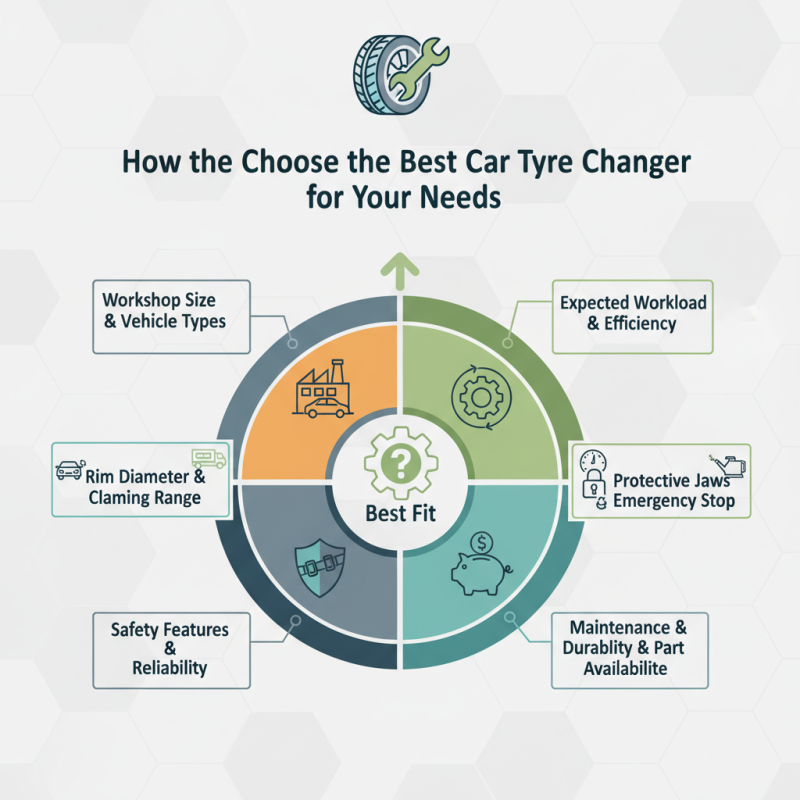
The process of selecting a Car Tyre Changer requires careful consideration. Various models are available, each offering unique features. Factors such as your workshop's size, the types of vehicles you service, and expected workload must influence your decision. It's not merely about the price; reliability and ease of use play critical roles.
However, many people overlook certain aspects when making their choice. Are you considering the safety features? Have you thought about the maintenance costs? A suitable Car Tyre Changer is an investment, and it must meet your operational demands while ensuring safety and performance.
Understanding the Different Types of Car Tyre Changers Available
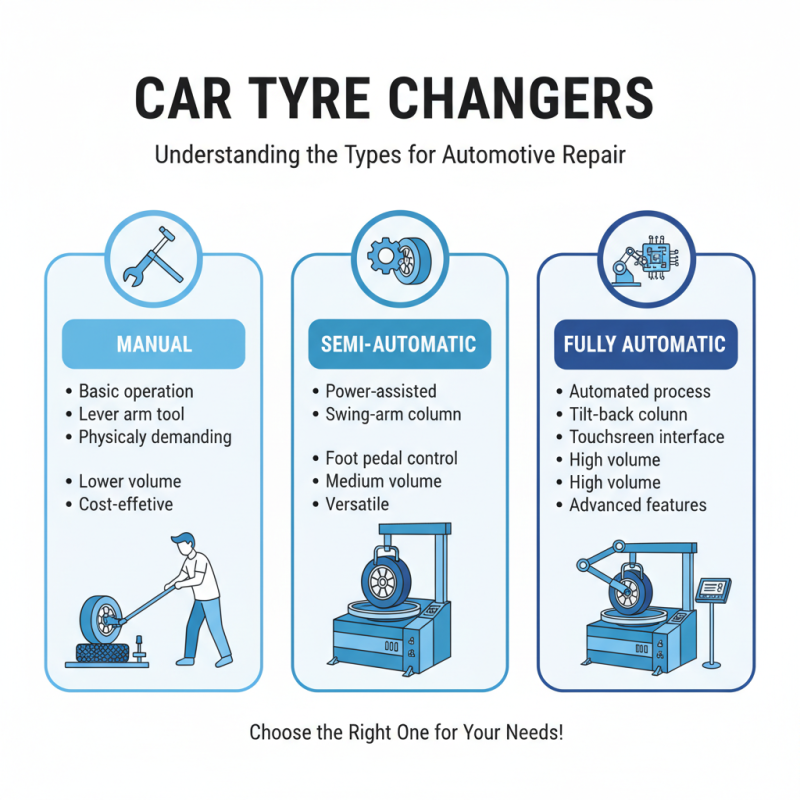
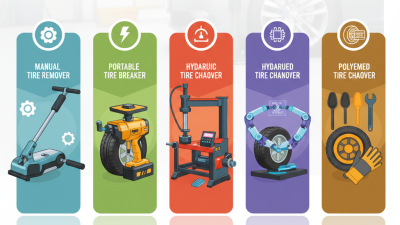
Choosing the right car tyre changer is essential for efficiency and safety in automotive repair. Understanding the different types available helps make an informed choice. There are primarily three types: manual, semi-automatic, and fully automatic tyre changers.
Manual tyre changers require physical labor to mount and demount tyres. These are cost-effective and suitable for small garages. However, they demand more time and effort. Semi-automatic machines offer a balance of manual control and assistance, making them popular for mid-sized shops. They reduce technician strain but still require input and supervision.
Fully automatic tyre changers streamline the process significantly. They can operate with minimal human intervention, which boosts productivity. According to industry estimates, these advanced models can handle up to 60 tyres per hour. This is crucial for high-demand environments. However, they come with higher initial costs and maintenance needs. Investing in the right type depends on your business scale and the volume of tyre changes required. It's important to weigh the upfront costs against long-term efficiency gains.
Key Features to Look for in a Car Tyre Changer
Choosing the right car tyre changer requires understanding key features that can impact its performance. A reliable tyre changer should prioritize safety and efficiency. Look for models with automatic locking systems that secure tyres during the changing process, minimizing accidents. According to industry research, over 40% of tyre workshop accidents are linked to inadequate safety features.
Another critical aspect is versatility. Many professional reports emphasize the significance of handling various tyre sizes. A quality tyre changer should accommodate standard and low-profile tyres. Some models even work with run-flat tyres. Performance matters too. Check the speed of the turnaround; studies show that faster changes correlate with higher customer satisfaction.
Consider the machine's build quality as well. Heavier machines often provide stability but can be cumbersome. Lighter models may offer ease of use but might lack sturdiness. Reflect on your workshop's specific needs. A tyre changer must align with your operating conditions. It’s essential to balance performance, safety, and functionality.
Assessing Your Specific Needs and Usage Frequency
When choosing a car tyre changer, assessing your specific needs and usage frequency is crucial. Tire changing can be a demanding task, particularly in commercial settings where volume matters. According to industry reports, shops that service over 20 vehicles daily require heavy-duty equipment. For occasional users, a simpler model may suffice.
Consider the types of vehicles you work with. If you focus on passenger cars, a standard changer might fit your needs. However, for larger vehicles or performance tires, the demands increase. A report noted that 70% of tire damage is linked to improper mounting. Thus, investing in the right machine can improve safety and customer satisfaction.
Evaluate your workspace as well. A compact model can save space and make operations smoother. On the other hand, a robust machine may require dedicated areas to function effectively. Companies often overlook these logistics, leading to bottlenecks. In a survey, 45% of mechanics cited inefficient workflow as a major issue. Thoughtful consideration will lead to better productivity and less frustration in the long term.
Budget Considerations When Choosing a Tyre Changer
When selecting a tyre changer, budget is a crucial factor. The cost of these machines can vary significantly. You might find basic models priced around 1,000 dollars. In contrast, more advanced options can exceed 10,000 dollars. Deciding your budget requires careful consideration of your specific needs and operations.
Consider the volume of tyres you will be changing. If you run a small garage, a lower-end model may suffice. However, for busy workshops, investing more in a durable, high-capacity changer is wise. Features often correlate with price. A more expensive machine typically includes advanced technology, making operations smoother and faster. But do you really need all those features?
Moreover, think about potential hidden costs. Service, maintenance, and replacement parts can add up. Cheaper machines might have lower upfront costs but could lead to higher long-term expenses. Research indicates that balancing initial investment and ongoing costs is vital for business sustainability. Reflecting on your long-term plans can help guide your decision effectively.
How to Choose the Best Car Tyre Changer for Your Needs? - Budget Considerations When Choosing a Tyre Changer
| Feature |
Description |
Price Range (USD) |
Recommended For |
| Manual Tyre Changer |
Basic equipment requiring physical effort; good for small shops. |
$300 - $600 |
Small auto shops, home garages |
| Semi-Automatic Tyre Changer |
Partly automated; easier to operate; suitable for higher volume. |
$700 - $1,200 |
Medium to large shops |
| Fully Automatic Tyre Changer |
Completely automated process; fastest operation; best for heavy usage. |
$1,500 - $3,000 |
High-volume tyre shops |
| Portable Tyre Changer |
Compact and easy to transport; great for mobile services. |
$200 - $500 |
Mobile tyre services, emergency repairs |
Maintenance Tips for Prolonging the Life of Your Tyre Changer
Maintaining a tyre changer is crucial for its longevity and efficiency.
Regular cleaning is essential. Dust and debris can affect performance.
After each use, wipe down the machine and remove any dirt. This simple act can prevent unnecessary wear and tear.
Ensure that all moving parts are well-lubricated. Use appropriate lubricant recommended for your specific equipment.
This helps in smooth operation and reduces friction.
Check the tyres used with the changer. Incorrect tyre sizes can lead to damage.
Always follow guidelines on the maximum and minimum tyre sizes. Be vigilant about inspecting the tyre changer for any signs of wear.
Look for cracks or loose components. Address any issues immediately. Neglecting small problems can lead to bigger, costly repairs.
Training staff on proper usage is also crucial.
Misuse can lead to accidents or damage. Conduct regular training sessions to reinforce correct techniques.
Encourage open communication about any operational issues.
Create an environment where team members can share their experiences and suggestions.
This feedback loop fosters a culture of responsibility and care for the equipment.