Leave Your Message

10 Essential Tips for Using a Car Tyre Changer Effectively

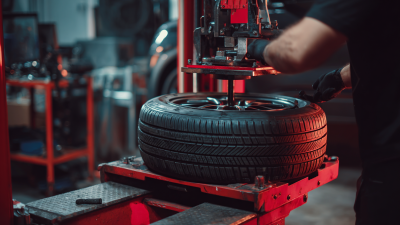
Using a Car Tyre Changer can simplify the tire-changing process. However, it requires skill and practice. Understanding how to operate this machine effectively is crucial for both safety and efficiency.

Many factors come into play when using a Car Tyre Changer. Proper techniques can prevent damage to tires and equipment. Incorrect use may cause frustration or even accidents. Each step, from positioning to removing a tire, needs attention. Engaging with the process can lead to better results.

Practicing with a Car Tyre Changer enhances both speed and precision. Accidents happen when one rushes the job. Take time to learn and improve. Focus on details, and you will become proficient. A little patience goes a long way in mastering this essential tool.
10 Essential Tips for Using a Car Tyre Changer Effectively

Understanding the Components of a Car Tyre Changer

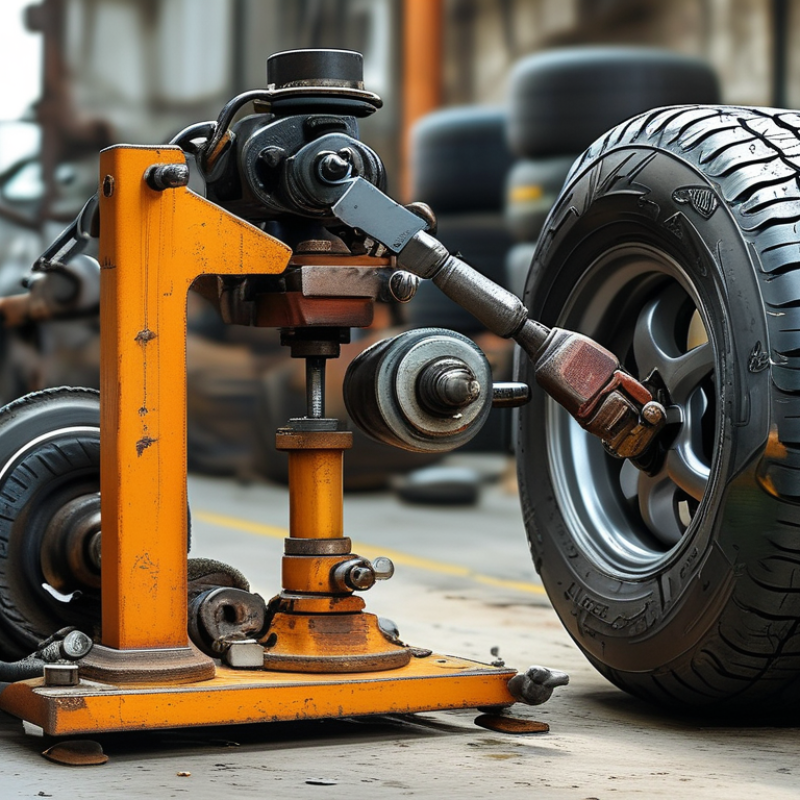
Understanding the components of a car tyre changer is crucial for effective use. The central part is the mounting head. This component is responsible for lifting and rotating the tyre. Ensure it’s clean and lubricated for easy operation. Many overlook this step, leading to inefficient performance.

Next, the bead-breaking arm is essential. It separates the tyre from the rim. A common mistake is applying too much pressure, which can damage the tyre. With the right technique, you can ensure a smooth process. Familiarize yourself with the pressure settings on your machine. Incorrect settings can lead to safety hazards.

Lastly, consider the importance of the control levers. These regulate movement and adjustments. Users often rush without fully understanding them, creating potential issues. Take your time to practice and gain confidence. Regular maintenance is also vital. A well-serviced tyre changer ensures longevity and reliability. Ignoring these aspects can result in frustrating experiences.


Effectiveness of Tyre Changer Components

Preparing Your Workspace for Efficient Tyre Changing

Preparing your workspace effectively is crucial for efficient tyre changing. A clean and organized area reduces the risk of accidents. Research shows that 30% of workplace accidents occur due to poor organization. Clear away unnecessary tools and debris. This not only improves safety but also enhances focus when changing tyres.

Have the right equipment within reach. A fully-equipped tyre changing workstation should include proper tools and safety gear. Studies indicate that having tools at hand can improve productivity by up to 20%. Ensure your tyre changer is in good working condition. Regular maintenance can prevent delays and reduce frustration during the process.

Lighting is another vital aspect. Bright, even lighting helps technicians spot any potential issues with tyres. Poor lighting can lead to oversight, which may result in costly mistakes. According to industry reports, up to 25% of tyre-related errors stem from inadequate visibility. Reflect on your setup often to identify areas for improvement. Making small adjustments can lead to significant gains in efficiency.

Steps to Properly Mount a Tyre on the Changer

Mounting a tyre on a changer requires precision and care. Start by selecting a clean and flat surface for your tyre changer. Ensure the machine is stable and properly secured. Begin by inspecting the tyre for any damages. A damaged tyre can lead to complications during the mounting process. If you notice any cracks or bulges, reassess whether to proceed.

Before mounting, lubricate the bead with proper tyre mounting lubricant. This step makes it easier to fit the tyre onto the rim. Use a brush to apply lubricant evenly. Position the tyre on the changer's base, aligning it with the rim. Ensure the tyre is seated correctly. Misalignment can cause issues, making it crucial to get it right. Once in position, engage the changer.

While operating the machine, pay attention to your hand placement. It’s easy to lose focus and risk injury. If you hear unusual noises during the process, pause and check the setup. Misjudgments during mounting can lead to damaged tyres or equipment, which is frustrating. Taking time to reflect on your technique improves skills over time. Remember, experience is key in mastering tyre changing.

Techniques for Safely Removing a Tyre Without Damage

Using a car tyre changer effectively requires skill. One crucial technique is to ensure it is properly calibrated. Misalignment can cause damage during dismounting. Always inspect the tyre and rim for corrosion or bends before starting. This attention to detail helps prevent unnecessary issues.

Another important tip is to use the correct lubricant. A lubricant can ease the removal process and protect both the tyre and rim. Applying enough lubricant allows the machine to grip without excessive force. Keep a clean workspace to avoid dirt contamination. A smooth environment contributes to a safe operation.

Pay attention to the dismounting process. Apply consistent pressure while guiding the tyre bead. Avoid forceful jerks, which can cause slips and damage. A slow and steady approach is key. If the tyre resists, reassess your technique before proceeding. Each step matters when ensuring a safe and effective tyre change.

10 Essential Tips for Using a Car Tyre Changer Effectively

Tip Number Tip Description Safety Measures Common Mistakes to Avoid
1 Ensure the tyre changer is on a stable surface Check for level ground to prevent tipping Changing tyres on an uneven surface
2 Inspect the tyre for damage before removal Look for bulging or cracks Skipping inspection to save time
3 Use lubricant on the tyre bead Apply lubricant to ease the process Forgetting to use lubricant
4 Align the tyre bead with the rim properly Ensure correct positioning before operation Misalignment leading to damage
5 Use the right tool attachments Select compatible attachments for the tyre Using incorrect or worn out tools
6 Secure the tyre on the changer Use clamps effectively to hold the tyre Neglecting to secure properly
7 Follow the manufacturer's instructions closely Adhere to operator guidelines Disregarding instructions
8 Avoid over-exertion when changing tyres Take breaks to avoid fatigue Pushing yourself too hard
9 Check air pressure after installation Ensure proper inflation for safety Ignoring air pressure checks
10 Dispose of old tyres responsibly Follow local regulations for disposal Improper disposal of tyres

Regular Maintenance Practices for a Tyre Changer

Regular maintenance of a tyre changer is crucial for its longevity and efficiency. Start by routinely checking the hydraulic fluid levels. Low fluid can lead to poor performance and potential damage. Inspect the hoses and seals for any signs of wear. Replace them if necessary. A well-maintained tyre changer can save time and increase productivity.

Another important tip is to regularly clean the machine. Dust and debris can accumulate and affect its operation. Wipe the surfaces and inspect the tyre jaw regularly. Ensure they are free from any grease that might hinder their grip. Keeping your tyre changer clean fosters a safe working environment.

Additionally, consider a monthly inspection schedule. This should include checking the alignment and calibration of the tyre changer. Misalignments can lead to uneven wear on tyres. Regular checks can prevent errors and ensure smoother operations. Inadequate maintenance may lead to costly repairs down the line. Always reflect on your maintenance practices and adjust as needed.