What Is a Car Tyre Changer and How Does It Work?
A Car Tyre Changer is more than a workshop machine with a rotating table. It is a controlled system for removing, mounting, and securing tyres without damaging the wheel. Its importance becomes clearer as vehicle ownership grows and tyre servicing becomes more frequent. The U.S. Tire Manufacturers Association reports that the United States generates more than 280 million scrap tyres each year. Many replacements begin with a careful machine-assisted removal process.
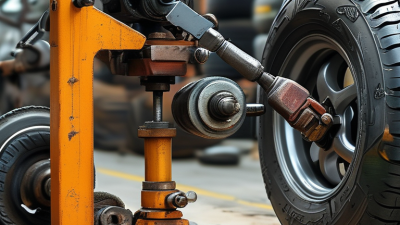
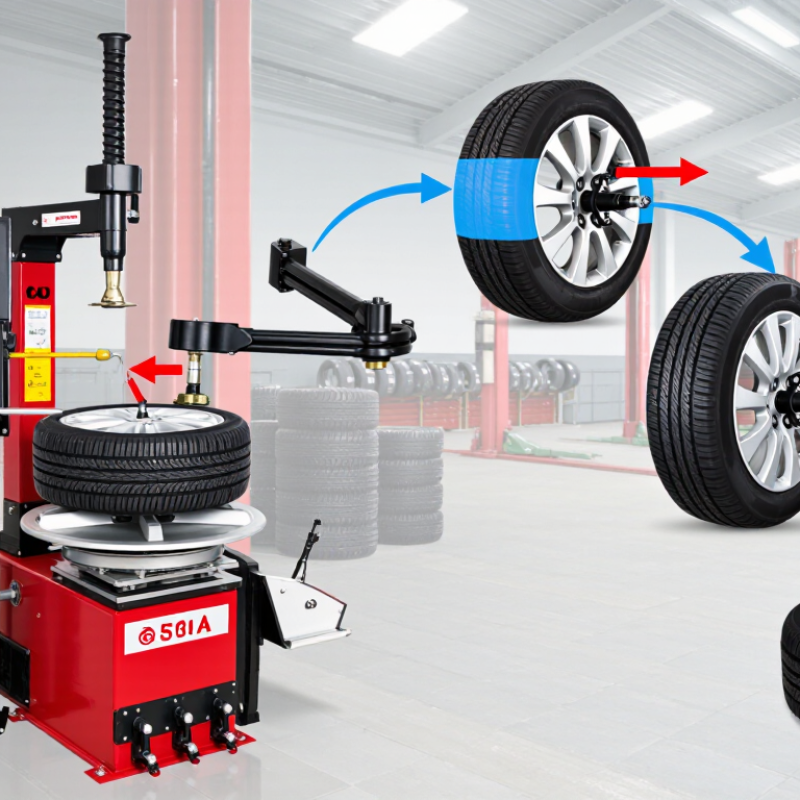
A typical Car Tyre Changer uses a turntable, clamping jaws, a mounting head, and a bead-breaking arm. The operator releases air pressure, breaks the bead, clamps the wheel, and guides the tyre over the mounting head. Compressed air then seats the bead against the rim. The exact sequence varies by machine design. Run-flat tyres and low-profile tyres usually require greater control, suitable attachments, and trained handling.
The process looks simple. It is not always simple. Improper clamping can scratch alloy wheels or distort a tyre bead. Excessive force may damage sensors inside a tyre. The National Highway Traffic Safety Administration requires tyre-pressure monitoring systems on many passenger vehicles sold in the United States, making sensor awareness essential during service. Tire Industry Association training also stresses safe demounting, inflation procedures, and equipment maintenance. These recommendations support a practical conclusion: the machine improves consistency, but it does not replace judgement. A perfectly seated tyre still needs inspection, inflation verification, and balancing. That final human check is easy to overlook, and that is where many service errors begin.
Definition and Purpose of a Car Tyre Changer
A car tyre changer is a workshop machine designed to remove and install tyres on vehicle wheels. Its main purpose is to separate the tyre bead from the rim without unnecessary force. This makes tyre replacement faster, safer, and more consistent than using hand tools alone.
The machine usually holds the wheel on a rotating table. Clamps secure the rim while a bead breaker loosens the tyre’s sealed edge. A mounting head then guides the tyre over the rim as the table turns. The operator controls the pressure and speed carefully. Too much force can scratch the rim or damage the tyre bead. Small details matter.
A tyre changer also supports routine maintenance. Technicians may use it when replacing worn tread, repairing a puncture, or checking a valve. Experienced users inspect the rim before mounting a new tyre. Corrosion, bends, and hidden cracks can affect the final result. The machine reduces physical effort, but it does not replace professional judgment. That part is easy to underestimate.
The process can look simple. It is not always smooth. Low-profile tyres, stiff sidewalls, and damaged rims often require extra patience. Proper clamping, lubrication, and alignment help prevent avoidable damage. A careful technician listens for unusual resistance and stops when something feels wrong. That practical pause may prevent a much larger problem.
What Is a Car Tyre Changer and How Does It Work?
A car tyre changer is a workshop machine that removes a tyre from a wheel rim and installs a replacement. The chart shows approximate time ranges for the main stages of a standard passenger-car tyre change.
The usual process is to deflate the tyre, break the bead seal, clamp the wheel, rotate the rim while guiding the tyre over the mounting head, inflate the new tyre, and check the final seating. Actual times vary with tyre size, rim design, machine type, and operator experience.
Main Components and Their Functions
What Is a Car Tyre Changer and How Does It Work?
A car tyre changer uses controlled force to remove and install tyres without bending the wheel. Its turntable spins the wheel horizontally. Four adjustable clamps hold the rim securely. Small steel jaws can mark painted alloy wheels, so protective covers matter.
The pneumatic bead breaker is usually the first working component. It presses against the tyre sidewall and separates the bead from the rim edge. A mounting head then guides the bead over the rim lip. The vertical arm controls height and pressure. Many machines include an auxiliary helper arm for stiff, low-profile tyres. This arm pushes the sidewall down while the turntable rotates. Air pedals control clamping, inflation, and bead movement. They need smooth pressure, not sudden stamping.
NHTSA’s Traffic Safety Facts 2020 recorded 664 deaths in tyre-related crashes in the United States.
The U.S. Tire Manufacturers Association’s 2023 End-of-Life Tyre Management Report estimated that 71% of scrap tyres reached beneficial end-use markets in 2021.
That figure also reflects the importance of controlled removal and responsible handling. In practice, the operator must check the rim, bead, valve, and sidewall before mounting. A rushed cycle can hide damage. I have found that the machine often exposes mistakes, but it cannot replace judgment.
How a Car Tyre Changer Removes a Tyre
A car tyre changer is a workshop machine designed to remove and install tyres from wheels. It reduces physical strain and helps protect the rim when used correctly. The operator first removes the wheel from the vehicle and releases all air from the tyre. This step is essential. Trapped pressure can make the bead difficult and dangerous to separate.
The machine presses the tyre bead away from the rim with a bead breaker. The operator then places the wheel on the turntable and secures it with clamps. A small amount of approved lubricant is applied around the bead. This reduces friction and helps the rubber slide smoothly. The mounting head is positioned near the rim edge, while a lever lifts the upper bead over the head. As the turntable rotates, the bead moves over the rim and comes free. The lower bead is removed in the same way.
Experienced technicians watch the rim closely during rotation. A misplaced tool can scratch the metal or damage a tyre sidewall. The machine does most of the movement, but judgment still matters. In real workshops, removal is rarely perfectly smooth. Stiff rubber, corrosion, or an incorrectly positioned bead can interrupt the process. I have found that slowing down often prevents a bigger problem. After removal, the technician inspects the rim, bead, and inner surface before fitting another tyre.