Leave Your Message

How to Choose the Right Mid Rise Scissor Lift

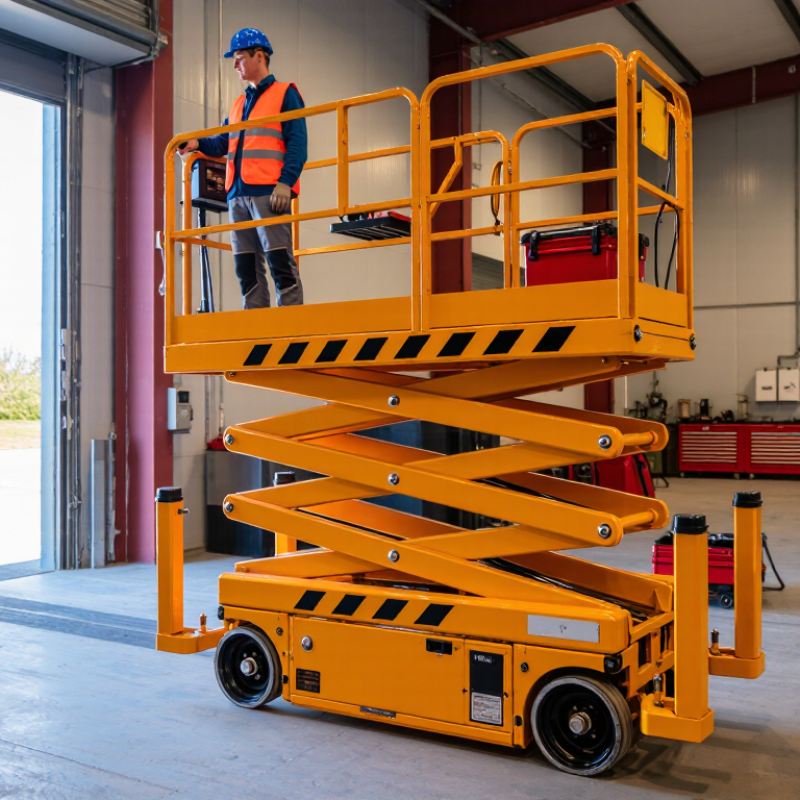
Choosing a Mid-Rise Scissor Lift starts with the work, not the brochure. Measure the required platform height, doorway width, floor capacity, and the space needed to turn. Then compare rated load with the combined weight of workers, tools, and materials. A narrow service bay may favor a compact model, while a rough concrete floor can demand different tires and ground clearance. Small details matter.

Safety data gives this choice real context. The U.S. Bureau of Labor Statistics reported 885 fatal work injuries from falls, slips, and trips in 2023. That figure covers many industries and hazards; it is not specific to scissor lifts. Still, it underlines why stable access, suitable equipment, and trained operation deserve careful attention. For selection and safe-use guidance, buyers can consult the applicable ANSI/SAIA A92 standards and the manufacturer’s operating manual. Check platform dimensions, guardrails, controls, emergency-lowering features, and charging requirements before comparing price. Not glamorous, but important. A lift that fits the job on paper may feel cramped once a worker, tool case, and overhead obstruction share the same space. This is easy to overlook. The right choice balances reach, capacity, maneuverability, and the actual site conditions—then leaves room to question assumptions before purchase.
How to Choose the Right Mid Rise Scissor Lift

Understanding Mid-Rise Scissor Lifts and Their Main Types

Understanding Mid-Rise Scissor Lifts and Their Main Types

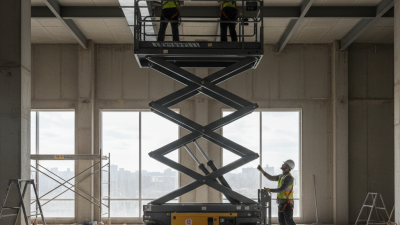
A mid-rise scissor lift raises a guarded platform vertically through linked supports that open like scissors. Unlike a boom lift, it does not reach over obstacles. “Mid-rise” is not a universal height class, so compare platform height rather than relying on the label. Check how each supplier defines working height; it often includes an assumed operator reach. A tape measure and the actual ceiling clearance help prevent a costly mismatch. Small detail, big difference.

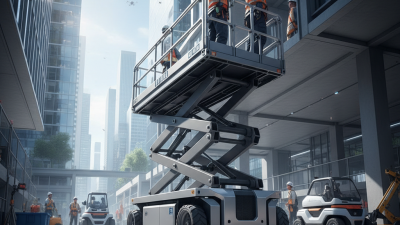
Models are commonly distinguished by mobility and terrain. Push-around lifts suit compact indoor jobs, but workers must reposition them manually. Self-propelled electric models can travel on smooth floors, including while elevated when the manual permits it. Rough-terrain versions use larger tires and are designed for uneven outdoor surfaces; they are typically heavier and less suited to finished floors. The IPAF 2024 Global Safety Report recorded 100 powered-access fatalities worldwide in 2023. That figure covers multiple equipment types, not scissor lifts alone, but it underlines why surface, load, guarding, and operator training matter. A slightly taller lift is not automatically safer if it crowds the work area or cannot fit through the access route.
How to Choose the Right Mid-Rise Scissor Lift

Understanding mid-rise scissor lifts and their main types

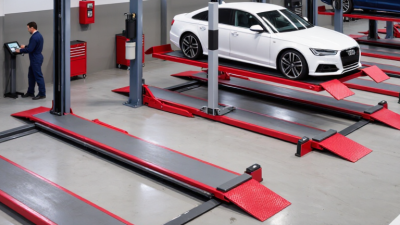
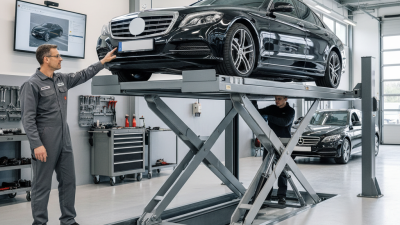
Mid-rise lifts commonly provide about 36–48 inches of lifting height, a practical range for wheel and underbody service without the footprint of many full-rise lifts. Portable and flush-mount designs are common mid-rise configurations. These ranges are general market examples, not fixed standards; compare each model’s rated capacity, maximum lift height, vehicle engagement points, and installation requirements before choosing.

Assessing Vehicle, Workspace, and Service Requirements

Measure the longest and heaviest vehicles you expect to service, not just the car parked in front of you. Check wheelbase, ground clearance, lifting points, and the lift’s rated capacity. A low sedan may need different arm positioning than a van with a long wheelbase. That matters. Confirm that adapters can reach the vehicle’s approved lifting points without obstructing nearby components. Small details count. I sometimes find a paper measurement misses a side step or a low-hanging exhaust, so inspect real vehicles where possible.

Then assess the workspace around the lift. Measure ceiling height with the tallest vehicle raised, and check doorways, lighting, storage, and technician access. Leave room to move tools and open doors safely. Measure twice. The floor must meet the lift maker’s requirements for strength, thickness, and levelness; have a qualified professional verify uncertain conditions. Think about the work you actually perform, too. Tire, brake, and underbody services may need different access and clearance. Match the lift to routine jobs, available maintenance support, and staff training. A compact layout can look efficient on a plan, yet feel awkward once hoses and tool carts are in place. Allow for that.

Comparing Lift Capacity, Height, Platform Size, and Power

How to Choose the Right Mid Rise Scissor Lift
Comparing Lift Capacity, Height, Platform Size, and Power

A mid-rise scissor lift should match the work, not just the highest number on its specification sheet. Check the rated capacity against the combined weight of workers, tools, and materials. A tool cart can use more capacity than expected. Leave a sensible margin, especially when equipment shifts during work.

Compare working height with the actual reach needed, including overhead tasks and room for safe positioning. Platform size matters too. A wider deck can hold tools and reduce repeated trips, but it may be harder to maneuver through narrow aisles or doorways. Measure the tightest access points before choosing. I’ve seen this step overlooked; it can turn a capable lift into an awkward fit.

Tips: Confirm the floor is level and suitable for the lift’s weight. Check whether the power source fits the worksite, such as electric power for indoor use or another approved option where conditions require it. Review charging or runtime needs, access controls, and the operator manual. A quick site check helps. Don’t guess.

Checking Safety Features, Installation Needs, and Operating Conditions

How to Choose the Right Mid Rise Scissor Lift

Start with the work area, not the lift’s maximum platform height. Measure overhead clearance, doorway width, turning space, and floor capacity. Include the combined weight of workers, tools, and materials when checking the rated load. A compact lift can still be too heavy for a suspended floor. Check the manual and site drawings; assumptions are easy to miss.

Inspect safety features that match the task. Look for intact guardrails, emergency lowering controls, tilt warnings, and pothole protection where fitted. Confirm operators know the controls and can reach the emergency stop from the ground. The U.S. Bureau of Labor Statistics reported 1,075 fatal work injuries in the construction industry in 2023. This figure is not specific to lift incidents, but it underscores why equipment checks and training matter. Small details matter.

Match the power source and tires to the operating conditions. Indoor work often calls for non-marking tires and electric power; uneven outdoor surfaces may require a model rated for rough terrain. Verify surface slope, wind limits, charging access, and the route between work areas. Keep the load within the manufacturer’s limits, even when a higher platform seems convenient. There is no perfect lift for every site. Recheck conditions when the job changes.

How to Choose the Right Mid Rise Scissor Lift - Checking Safety Features, Installation Needs, and Operating Conditions
Selection Area What to Check Suitable Evidence or Requirement Why It Matters
Rated capacity and load placement Compare the lift’s rated capacity with the vehicle’s weight, including unusually heavy equipment or cargo. Check the permitted lifting-point locations and any front-to-rear or side-to-side load limits. The capacity plate and operating manual state the rating and loading requirements. Confirm that the vehicle’s approved lifting points align with the lift’s platforms or adapters. The total rating alone does not establish that every vehicle can be positioned safely on the lift.
Mechanical safety locks Check that the lift has mechanical locking devices, that they engage as designed, and that the operator can clearly identify when they are engaged. Follow the specified procedure before working beneath a raised vehicle. Review the manufacturer’s instructions and inspect the locks, release mechanism, and warning labels. Do not rely on hydraulic pressure alone to support a vehicle during service work. Mechanical locks provide support if hydraulic pressure is lost, when used as directed.
Pinch-point and movement protection Look for clearly marked pinch and shear zones, guarded or suitably protected moving parts, and controls that allow the operator to stop movement promptly. Check for an audible or visual warning where specified. Inspect the lift and its documentation for installed guards, warnings, emergency-stop provisions, and the required operating sequence. Scissor mechanisms create moving and closing areas that can injure people or damage equipment.
Floor and installation conditions Verify that the floor is level, stable, and suitable for the lift and its loads. Check required slab thickness, concrete strength, anchor requirements, and any restrictions for joints, cracks, or post-tensioned slabs. Use the exact installation manual for the selected model and have the site assessed by a qualified person when floor capacity or slab construction is uncertain. Do not assume one concrete specification applies to every lift. An unsuitable or uneven floor can affect stability, anchoring, and safe lift operation.
Bay layout and vehicle fit Measure the lift’s footprint, platform range, approach path, and working height. Confirm clearance for doors, vehicle underbody components, nearby equipment, and overhead obstructions throughout the lift’s travel. Compare the manufacturer’s dimensional drawings with the shop layout and the vehicle types to be serviced. Account for access to controls and safe operator positions. Adequate clearance supports correct vehicle positioning and helps prevent collisions or restricted access.
Power, hydraulics, and environment Confirm the required electrical supply and connection, hydraulic-fluid specifications, and any limits for indoor or outdoor use. Consider moisture, temperature, dust, and exposure to corrosive chemicals. Check the model’s installation and maintenance documentation. Arrange electrical work and hydraulic servicing through appropriately qualified personnel. Incorrect services or unsuitable environmental conditions can cause faults, deterioration, or unsafe operation.
Inspection, training, and standards Establish pre-use checks, routine maintenance, inspection records, and operator training. Check which lift-safety standards and local workplace rules apply to the installation and use location. Keep the operating manual accessible, train users on vehicle positioning and lock engagement, and follow applicable local regulations and relevant lift standards, such as ANSI/ALI requirements where applicable. Regular checks and trained operation help identify wear or faults before they lead to an incident.
Selection note: Specifications vary by lift model. Confirm all capacity, installation, operating, and maintenance requirements in the documentation for the exact lift being considered.

Evaluating Maintenance, Warranty, and Total Cost of Ownership

How to Choose the Right Mid Rise Scissor Lift

Evaluating Maintenance, Warranty, and Total Cost of Ownership

A mid rise scissor lift should suit the work it will actually perform, not just fit the available floor space. Estimate daily lift cycles, typical load weight, and time spent at full height. Then check service access: can a technician reach filters, fittings, and battery connections without moving nearby equipment? Small delays add up. A maintenance log from a similar work area can help, though your conditions may differ.

Compare scheduled service needs, replacement parts, and expected labor costs over several years. Review the warranty carefully, including coverage periods, exclusions, and who pays for transport or diagnosis. Ask how quickly common parts are typically available. A low purchase price can be misleading if routine service is frequent or downtime disrupts busy shifts. Total cost estimates are never perfect; operators may use the lift differently than planned.

Tips: Record operating hours and service dates. Check for hydraulic leaks, unusual noises, and damaged cables during regular inspections. Keep the manual accessible. Before choosing, compare written maintenance schedules and warranty terms side by side. A little paperwork now can prevent an expensive surprise later.