Leave Your Message
Choosing the 2026 best Inground Scissor Lift requires more than comparing lifting capacity or purchase price. Global buyers need equipment that fits real workshop conditions, local safety expectations, and long-term service plans. An experienced evaluator should examine platform dimensions, rated load, lifting height, hydraulic performance, corrosion resistance, and emergency locking systems. A lift may look powerful on a product page. Installation details often decide its practical value.
This guide examines leading Inground Scissor Lift options for vehicle service centers, dealerships, fleet garages, and professional workshops. It considers manufacturer experience, documented testing, warranty coverage, spare-parts availability, technical support, and installer training. Drainage design matters in rainy regions. Concrete strength matters everywhere. Poor preparation can damage even a well-engineered lift. Buyers should verify electrical requirements, foundation drawings, anchoring methods, and maintenance intervals before placing an international order.
No shortlist is perfect. A low-cost model may offer attractive specifications but limited regional support. A premium lift may exceed the needs of a small garage. That assumption can fail. Vehicle weight distribution, tire clearance, working height, and local operating habits all influence the final choice. Reliable decisions come from comparing verified data with actual workshop needs. Product photographs are not enough. This introduction provides a practical framework for judging performance, safety, ownership cost, and supplier credibility in 2026, while recognizing that regulations and site conditions differ across markets.
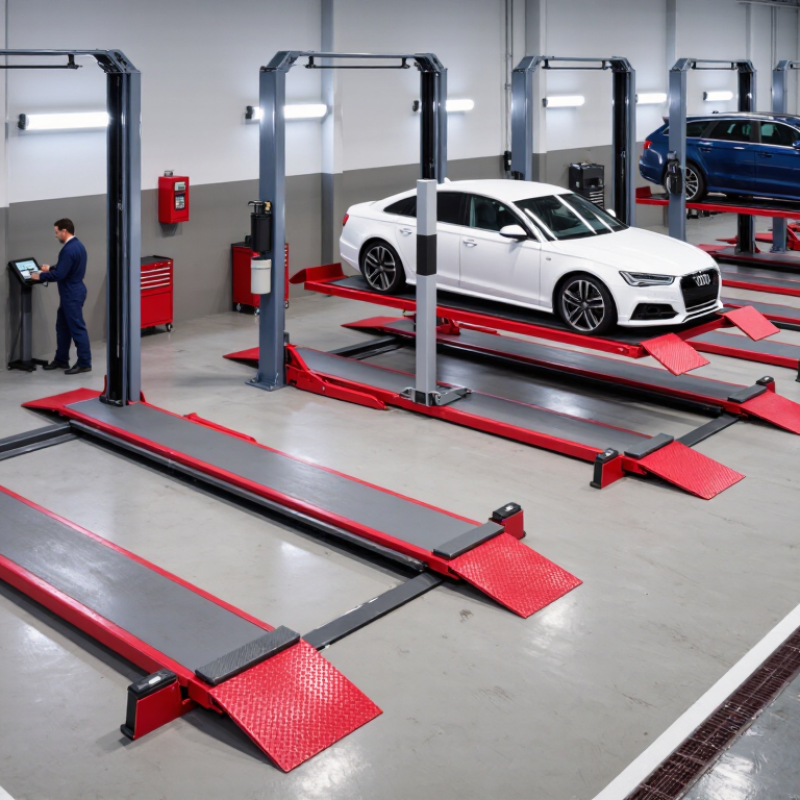
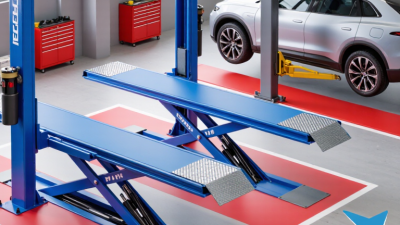
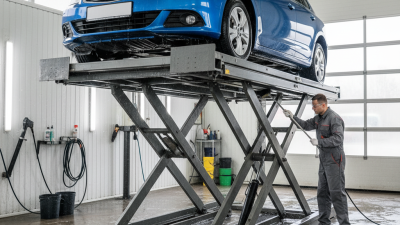
An inground scissor lift is a vehicle service platform installed below workshop floor level. When lowered, its deck sits nearly flush with the concrete, leaving the bay clear. Hydraulic cylinders drive linked arms upward. The arms expand like a folding ruler. A pump sends pressurized oil through valves, while mechanical locks hold the platform during service. Depending on the design, recessed cylinders or a cassette assembly protects components from dust, water, and impact.
In practice, the technician positions a vehicle over the platform and aligns the lifting pads with approved contact points. The operator raises the deck slowly, checking balance, tire movement, and unusual noise. Once working height is reached, safety locks engage before anyone enters the service area. Lowering reverses the process, but controlled hydraulic flow prevents a sudden drop. A level foundation matters. Small installation errors can create uneven loading, premature wear, or difficult drainage. A qualified installer should verify the pit dimensions, concrete strength, electrical supply, and local safety requirements.
For global buyers in 2026, compare rated capacity, platform length, lifting height, pit depth, and power compatibility. Ask for load charts, hydraulic diagrams, corrosion protection details, and documented factory testing. Local voltage and workshop climate can change the correct configuration. In coastal areas, untreated steel may age faster than expected. I would not choose by maximum tonnage alone. A lift that fits daily vehicles, floor structure, drainage plans, and maintenance access is usually more useful. That part is easy to underestimate.
| Evaluation Dimension | Typical Specification or Fact | How It Works / Why It Matters | Global Buyer Consideration |
|---|---|---|---|
| Equipment Type | Hydraulic, platform-type inground scissor lift | Crossed steel arms expand and contract under hydraulic-cylinder force to raise or lower the platform. | Suitable for vehicle service bays where a clear floor and flush installation are important. |
| Typical Rated Capacity | Approximately 3,000–6,000 kg for common passenger-vehicle and light-commercial applications | The hydraulic system supports the vehicle through the lifting arms and platform structure. | Select capacity according to the heaviest vehicle, load distribution, and manufacturer-rated safety margin. |
| Typical Lifting Height | Approximately 1,500–2,000 mm above floor level | The scissor arms open progressively, raising the platform while keeping the load centered within the designed lifting area. | Confirm whether the maximum height provides adequate technician clearance for the intended vehicle class. |
| Lowered Platform Height | Usually about 250–350 mm above the lift foundation or finished floor, depending on the design | When fully lowered, the scissor mechanism retracts into a recessed pit and the platform can be nearly flush with the workshop floor. | Check pit depth, drainage, waterproofing, reinforcement, and local construction requirements before purchase. |
| Platform Length | Commonly approximately 4,500–6,000 mm | Longer platforms distribute vehicle weight over a larger contact area and support a wider range of wheelbases. | Match platform length with the shortest and longest vehicles serviced in the workshop. |
| Platform Width | Commonly approximately 600–750 mm per side or according to the vehicle support layout | The platform or runway supports the tires, lifting pads, or designated vehicle contact points. | Verify tire position, door clearance, drive-through space, and compatibility with the vehicle manufacturer’s lifting points. |
| Lifting Cycle Time | Typically about 45–70 seconds for a full raising cycle, depending on capacity and hydraulic design | An electric motor drives a hydraulic pump, which sends pressurized fluid to the cylinders. | A faster cycle can improve workshop throughput, but stability, noise, and serviceability should also be evaluated. |
| Power Supply | Common motor ratings are approximately 2.2–4.0 kW; voltage and phase vary by market | The motor powers the hydraulic pump; the pump controls oil flow to raise the cylinders. | Confirm local voltage, frequency, phase, protection devices, wiring requirements, and electrical certification. |
| Hydraulic Safety | Hydraulic lock valves, hose-burst protection, pressure relief, and mechanical safety locks are commonly required | Safety devices help prevent uncontrolled descent or overload-related hydraulic movement. | Request safety-device details, inspection procedures, and documentation for the destination country. |
| Installation Requirement | Requires a reinforced underground pit, accurate leveling, drainage, and protected hydraulic/electrical routing | The lifting structure is installed below floor level so the platform can retract into the pit. | Installation cost and building work can significantly affect total ownership cost. |
| Floor and Pit Drainage | A drainage solution, sump, pump, or sealed pit may be needed where groundwater or wash-bay water is present | Water accumulation can damage hydraulic components, electrical parts, coatings, and structural steel. | For wet environments, prioritize corrosion protection, water-resistant components, and accessible drainage maintenance. |
| Vehicle Compatibility | Passenger cars, sport-utility vehicles, vans, and selected light commercial vehicles within the rated limits | Correct positioning of lifting pads or runways keeps the vehicle’s center of gravity within the safe operating zone. | Check minimum and maximum wheelbase, track width, axle load, ground clearance, and approved lifting points. |
| Workshop Advantages | Flush floor when lowered, reduced trip hazards, improved bay flexibility, and unobstructed access around the vehicle | The lift disappears below floor level when not in use, leaving more usable workshop space. | An inground design is attractive for premium service bays, but it is less suitable for buildings where excavation is not possible. |
| Maintenance Points | Hydraulic oil, seals, hoses, pivot points, safety locks, limit switches, corrosion protection, and pit cleanliness | Regular inspections help identify leaks, uneven movement, abnormal noise, and wear before a failure occurs. | Ensure spare parts, service tools, technical manuals, and trained technicians are available locally. |
| Applicable Safety Frameworks | Requirements vary by destination; automotive lifting equipment is commonly assessed against applicable national, regional, and international machinery-safety rules | Load testing, guarding, emergency lowering, controls, and structural safety must be addressed in the technical documentation. | Ask for conformity documents, load-test records, manuals, risk assessment information, and installation instructions. |
| Best Selection Profile | A lift with suitable capacity, correct platform dimensions, verified safety systems, corrosion protection, and strong after-sales support | The best choice is determined by application, building conditions, local compliance, and lifecycle cost rather than lifting capacity alone. | Compare total cost of ownership: equipment, excavation, foundation, shipping, installation, training, inspections, energy, and maintenance. |
Note: The specifications above are typical market ranges for general guidance and are not a substitute for the installation manual, structural calculations, load chart, or local regulatory requirements. Actual performance depends on the lift design, vehicle type, site conditions, and correct installation.