Top Car Wheel Balancer Buying Guide for Global Importers
Selecting the right Car Wheel Balancer is crucial for importers in the automotive industry. Expert Jane Thompson, a renowned specialist in wheel technology, states, "A precise wheel balancer can improve vehicle performance immensely." This highlights the importance of making informed choices.
Understanding various types of Car Wheel Balancers can be overwhelming. Each model offers unique features and specific benefits, making it essential to evaluate your needs. Many importers struggle with this. They often overlook the importance of calibration and accuracy. A poorly calibrated balancer can lead to uneven tire wear and poor vehicle handling.
Choosing a reliable Car Wheel Balancer involves considering factors like durability and ease of use. Quality machinery ensures long-term performances. However, not all brands guarantee these aspects. Reflecting on varied options can lead to better decisions. The goal is to find a balance between performance and investment.
Understanding the Importance of Wheel Balancing in Automotive Maintenance
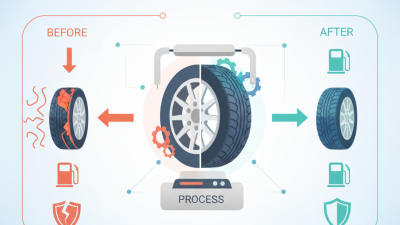
Proper wheel balancing is critical for optimal vehicle performance. It impacts ride quality, tire wear, and safety. Imbalanced wheels can cause vibrations, leading to driver discomfort. This discomfort might be minimal at first, but can escalate over time, affecting the driving experience significantly.
In a professional setting, understanding the importance of wheel balancing is essential. Many automotive professionals overlook this process. Regular checks can prevent costly repairs down the line. Imbalance not only affects the ride but can create uneven tire wear. Drivers might be unaware of the long-term consequences of neglecting wheel balance.
Dedicated attention to wheel balancing enhances vehicle stability. Technicians should routinely assess and adjust wheel balance as part of standard maintenance. Awareness of the factors affecting balance is vital. Even minor issues can lead to significant problems. Proactive measures encourage safety and extend tire life. By fostering an understanding of wheel balance, we create a safer driving environment.
Types of Car Wheel Balancers: Manual vs. Automatic Models
When choosing a car wheel balancer, you’ll encounter two main types: manual and automatic models. Manual balancers require hands-on adjustment, making them ideal for skilled technicians. They often have a steeper learning curve. However, they can offer greater control during the balancing process.
Automatic wheel balancers simplify the balancing task. They require minimal input and automatically adjust settings, which can save time in busy shops. Their user-friendly interface attracts many mechanics. However, they may lack the precision that experienced users appreciate.
Tips for selecting the right model include analyzing your shop’s volume. If you prioritize speed, an automatic model could be the better choice. Consider also the space available; automatic balancers often need more room. Balancers may not always perform perfectly; minor adjustments may still be necessary after use. Always evaluate your options thoroughly for the best fit.
Comparison of Manual vs. Automatic Car Wheel Balancers
Key Features to Look for in a Quality Wheel Balancer
When choosing a quality wheel balancer, several key features stand out. Look for precision in measurement and ease of calibration. A reliable wheel balancer should consistently deliver accurate results. This accuracy ensures that tires wear evenly and vehicles perform optimally. Check if the balancer can accommodate various wheel sizes and types. Versatility is essential for importers dealing with diverse vehicles.
Another vital feature is the display interface. A user-friendly interface can significantly enhance workflow efficiency. Digital displays often allow clearer insights into adjustments needed. Consider noise levels during operation. An overly loud machine can disrupt shop environments. Look for models with noise-reduction technology.
Durability is often overlooked but crucial. Wheel balancers face wear and tear from frequent use. Investing in a robust model can save costs in the long run. Many importers may rush this decision, overlooking smaller details that matter over time. A strategic selection process can mitigate future maintenance issues.
Factors Influencing Wheel Balancer Pricing and Import Considerations
When importing car wheel balancers, pricing is influenced by several critical factors. The quality of materials used in construction plays a significant role. Higher quality might mean higher prices but often results in durability. Shipping costs can also affect the overall price, especially for heavy equipment like wheel balancers. Import taxes and tariffs add another layer of complexity. Understanding these costs is essential for effective budgeting.
It's crucial to consider local demand when selecting wheel balancers for import. Research markets thoroughly. The type of vehicles prevalent in your region influences the models you'll need. Additionally, customer preferences can shift. Stay updated on trends, but also be prepared for fluctuations.
Tips: Always compare prices from various suppliers. Ensure they provide clear details on warranty and support. Look for vendors with a strong reputation. This will enhance reliability in your purchases. Seek advice from industry experts if uncertain. Balancing cost against quality is vital for long-term success in the market.
Top Car Wheel Balancer Buying Guide for Global Importers
| Dimension |
Description |
Influencing Factors |
Estimated Price Range (USD) |
| Type |
Manual or Automatic |
Technology and Features |
$500 - $3,000 |
| Weight Capacity |
Max wheel weight it can balance |
Material & Build Quality |
$600 - $2,500 |
| Speed |
Balancing speed in RPM |
Motor Power |
$400 - $1,800 |
| Precision |
Level of accuracy in measurements |
Calibration Features |
$700 - $2,200 |
| User Interface |
Ease of use and display |
Software Capabilities |
$300 - $1,500 |
Top Brands and Manufacturers in the Wheel Balancing Industry
When it comes to selecting a top wheel balancer, understanding the key brands and manufacturers in the industry is crucial. Many trusted companies focus on innovative technology and user-friendly designs. Their products often feature advanced calibration systems, ensuring precise weight distribution for a smoother ride. Recognizing reputable manufacturers might help you make an informed choice.
Each brand has its strengths and weaknesses. Some excel in providing high-speed balancers, ideal for commercial use. Others specialize in entry-level models for casual users. However, discerning between the options can be challenging. Potential buyers should focus on customer reviews and expert opinions. This research can reveal hidden issues or advantages that may go unnoticed at first glance.
In the ever-evolving wheel balancing landscape, making an effective investment requires deep knowledge. Manufacturers may boast reliability, but real-world performance often varies. Understanding warranties and support services can be equally important. As trends shift, users must remain adaptable. Investing time in research now can lead to better decisions in the long run.