Inground Scissor Lift Benefits Features and Best Options?
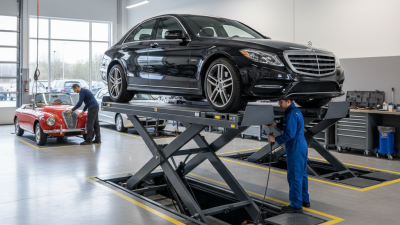
Inground Scissor Lifts are revolutionizing the lifting industry. According to a recent market report, the global lift equipment market is projected to reach USD 50 billion by 2028, with scissor lifts contributing significantly to this growth. Their design allows for efficient operation in tight spaces, making them invaluable in various applications, from automotive shops to warehouses.
These lifts offer significant benefits such as enhanced safety features and space optimization. Unlike traditional lifts, Inground Scissor Lifts provide a stable, level platform for workers. Their low-profile design minimizes trip hazards, supporting a safer work environment. This aspect is crucial in industries where safety regulations are stringent.
Despite these advantages, there are considerations. Installation can be costly and requires professional expertise. Moreover, regular maintenance is essential to ensure optimal performance. Users must reflect on the long-term implications of these lifts in their operational strategy. Balancing initial investment with potential productivity gains is key for businesses aiming for growth.
Benefits of Inground Scissor Lifts for Various Industries
Inground scissor lifts serve a crucial role across various industries. They are especially beneficial in sectors like automotive, warehousing, and construction. These lifts provide reliable access for maintenance and inspections, often improving workflow efficiency. The stable lifting capability enables safer operation in tight spaces where traditional lifts might struggle.
One key advantage is that inground scissor lifts are less prone to wear and tear. Since they are embedded in the ground, moving parts are shielded from dirt and debris. This protection results in longer service life and reduced maintenance costs. Moreover, their low-profile design minimizes the risk of accidents, allowing more room for maneuverability.
Yet, there are challenges to consider. Installation can be complex and requires proper planning. Maintenance still demands attention, especially when hydraulic systems are involved. Users must be aware of potential issues like surrounding ground stability. Careful monitoring is essential to ensure safety and reliability. Understanding these factors can help industries maximize the benefits of inground scissor lifts.
Key Features to Look for in Inground Scissor Lifts
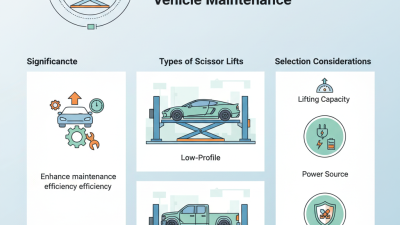
When choosing an inground scissor lift, several key features should be prioritized. First, lifting capacity is crucial. Ensure the lift can handle the weight of your vehicles or equipment. A typical capacity ranges from 6,000 to 10,000 pounds. Consider the height adjustment range, too. Some lifts offer extensive height settings for various tasks.
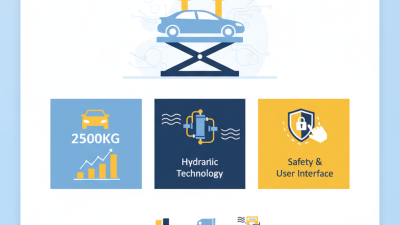
Another essential feature is the safety mechanisms. Look for systems like automatic locks and overload sensors. These enhance user safety and provide peace of mind. The durability of the materials also matters. Steel and heavy-duty components can withstand the wear and tear of regular use.
Finally, ease of installation and maintenance is worth noting. Some inground lifts require professional installation, while others are user-friendly. Maintenance accessibility can also affect how often you will need to service the lift. Reflect on these features to determine what best meets your needs. Balancing performance and safety is key.
Inground Scissor Lift Benefits Features and Best Options
| Feature |
Description |
Benefits |
| Space Efficiency |
Installed below ground level, saving valuable floor space. |
Maximizes usable area in garages and workshops. |
| Stability |
Provides a stable lifting platform for vehicles. |
Enhances safety during maintenance and repair tasks. |
| Ease of Use |
Simple controls for raising and lowering lifts. |
Reduces operation time and increases efficiency. |
| Versatility |
Can accommodate various vehicle sizes and weights. |
Suitable for different automotive applications. |
| Durability |
Built to withstand heavy use and harsh conditions. |
Long-lasting investment for businesses. |
Top Brands and Models of Inground Scissor Lifts Reviewed
When exploring inground scissor lifts, several top brands and models stand out for their reliability and efficiency.
These lifts are not just tools; they are investments that enhance garage space, workshops, and automotive services.
They can easily accommodate varying vehicle sizes, offering a versatile solution for maintenance tasks.
The lifting capacity often ranges significantly, appealing to both personal users and commercial operations.
Key features of high-quality inground scissor lifts include robust safety mechanisms and durable construction.
Many models offer adjustable height settings, which enhance usability.
Some professionals highlight that certain lifts may require more space than expected, potentially affecting installation choices.
Maintenance is crucial; regular checks ensure longevity and reliability.
Users often report frustration when faced with maintenance tasks that are more complex than anticipated.
Brand differentiation often lies in the control systems and user interface.
Some models feature advanced electronic controls, while others keep it simple.
Finding the right lift means balancing advanced features with ease of use.
It's vital to weigh personal preferences against functional necessities.
Performance feedback can vary. Though many brands boast excellent reviews,
it's essential to assess reviews critically and consider personal usage scenarios before making a final decision.
Installation Requirements for Inground Scissor Lifts
Inground scissor lifts are gaining popularity due to their efficiency and compact design. When planning for installation, several requirements must be addressed. The site must be capable of supporting the lift's weight and operational demands. Many industry reports suggest that proper ground stability is critical. It's often recommended that concrete slabs be at least 6 inches thick.
Moreover, the installation area should be clear of obstructions. Sufficient space is necessary not just for the lift itself, but also for maintenance access. A common misconception is that installation is a simple task. In reality, skilled professionals should conduct it. This ensures compliance with safety standards and optimal functionality. According to the Occupational Safety and Health Administration (OSHA), improper installation can lead to serious accidents.
Routine maintenance checks are essential post-installation. Some installations may need modifications based on site conditions. Documentation of load limits and electrical specifications is also critical for safe operation. Potential users should engage with specialized literature to understand these nuances. Such details can significantly influence the lifespan and safety of inground scissor lifts.
Maintenance Tips to Maximize Lifespan of Inground Scissor Lifts
Maintaining inground scissor lifts is crucial for their longevity and performance. Regular inspections can catch early signs of wear. Check for any leaks, particularly in the hydraulic system. These small issues can escalate into costly repairs. Clean the lift periodically to remove dirt and debris. Neglecting this can lead to corrosion and mechanical failures over time.
Lubrication is another key aspect of maintenance. Ensure all moving parts are properly greased. This reduces friction and improves efficiency. Remember to examine the safety features regularly. They are vital for safe operations and should be functional at all times. Inground scissor lifts can be robust, yet they require attention.
Always keep the lift's operating environment in mind. Extreme temperatures can affect performance. An area that is too wet can cause rust. Store the lift indoors when possible. Taking these steps may seem simple, but they significantly impact the lifespan of the equipment. Maintenance often falls by the wayside, but it is essential for optimal usage.