Leave Your Message

How to Choose a Two Post Car Lift for Your Garage?

Choosing a Two Post Car Lift is not just a question of lifting capacity. It is a decision about safe access, usable space, and the vehicles you expect to service. S&P Global Mobility reported that the average age of U.S. light vehicles reached 12.6 years in 2024. Older vehicles can mean more repair work, but they do not automatically justify a larger lift. Your actual vehicle mix matters more.

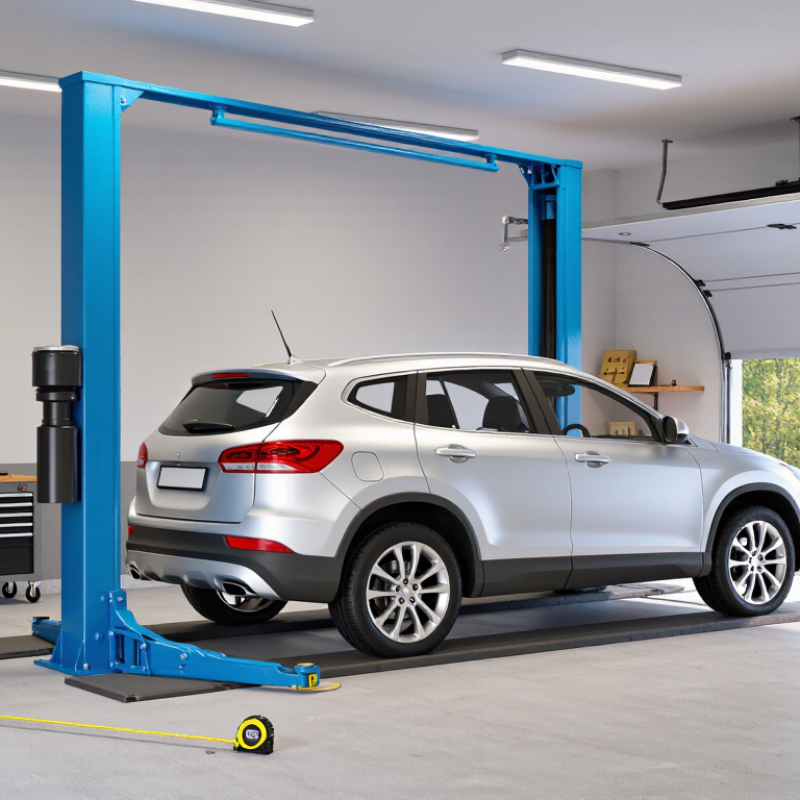
A few inches can change the fit. Measure ceiling height, bay width, door clearance, and the tallest vehicle before comparing models. Check each lift’s rated capacity, arm reach, and lifting-point guidance against the vehicles you own or service. Then verify that your floor meets the manufacturer’s concrete and anchoring requirements. A lift that fits on paper may still leave doors awkward to open or arms difficult to position.

Small details matter. It is easy to focus on price and capacity alone; that assumption deserves a second look. The Automotive Lift Institute’s ANSI/ALI ALCTV standard provides a recognized benchmark for lift certification, while NIOSH workplace investigations document the serious consequences of unsafe vehicle-lifting practices. Neither replaces careful installation or operator training. This guide explains how to compare lift designs, assess garage constraints, and check practical safety features before buying. Some measurements are easy to overlook. Take them twice.
How to Choose a Two Post Car Lift for Your Garage?

Assess Garage Space, Ceiling Height, and Floor Conditions

Before buying a two-post lift, measure the usable bay, not just the garage’s outside dimensions. Record the width between walls, door tracks, shelves, and parked vehicles. Leave room to open doors and position the lift arms without striking a wall. Measure ceiling height beneath lights, openers, and beams. Then compare it with the lift’s published rise height and the tallest vehicle you plan to service. Close, but not quite, is still a clearance problem.

Vehicle size and weight can change what “enough room” means. The U.S. EPA’s 2024 Automotive Trends Report puts average new-vehicle weight at about 4,329 pounds for model year 2023. That figure is not a lift-capacity recommendation; heavier trucks and accessories need separate checks. Measure your own vehicle’s height, wheelbase, and lifting points. A tape measure beats a guess.

Check the concrete before choosing an installation location. Look for cracks, patched areas, control joints, and sloping sections where the posts might sit. The Automotive Lift Institute advises following the lift manufacturer’s installation requirements; slab thickness and strength are not safely reduced to one universal number. Have a qualified installer assess uncertain floors, including reinforcement and embedded utilities. I would not assume an older garage slab is adequate just because it looks solid. A small oversight can matter.
Identify the Vehicles and Lifting Tasks the Lift Must Support

How to Choose a Two Post Car Lift for Your Garage?

Identify the Vehicles and Lifting Tasks the Lift Must Support

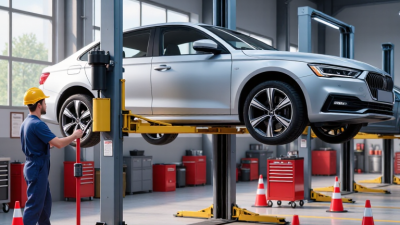
Start with the heaviest vehicle you expect to lift, not just the car in your driveway today. Check its curb weight, wheelbase, roof height, and approved lifting points. Add weight from permanent accessories, such as a steel bumper or service equipment. A lift’s rated capacity must suit the vehicle and its weight distribution. Think about the work, too: brake repairs, tire changes, and underbody inspections need different access and working heights. A tall pickup may fit the lift but still leave too little ceiling clearance.

Tips: Measure the vehicle, garage height, bay width, and door clearance. Confirm the lift’s capacity and floor requirements with its installation documentation or a qualified installer.

Also consider how often you will use the lift and which vehicles may arrive later. Arm reach and adjustment range affect whether the lift can contact each vehicle’s approved lifting points. Never assume one arm position suits every car. That detail is easy to overlook. A lift that handles a compact sedan may not safely accommodate a long-wheelbase truck. Compare vehicle specifications with the lift’s instructions before purchase, and leave enough room to open doors and move around the posts. It can be tempting to choose extra capacity and stop there, but fit and clearance matter just as much.

Compare Lift Capacity, Arm Design, and Symmetric or Asymmetric Setup

How to Choose a Two Post Car Lift for Your Garage?

Compare rated capacity with the heaviest vehicle you expect to service, not just your usual car. A lift must support the vehicle at its specified lifting points, with its weight distributed within the lift’s limits. Check the manual for restrictions on vehicle length, arm reach, and load balance. Extra capacity is useful, but it cannot compensate for poor positioning. Small details matter.

Arm design affects what vehicles fit and how easily you can reach their lifting points. Adjustable arms with suitable pad positions can accommodate different wheelbases and frame layouts. A symmetric setup generally places the vehicle centrally between the posts. An asymmetric setup shifts it rearward, which can improve door clearance. Neither arrangement suits every vehicle; compare the lift’s geometry with your garage space and the cars you service. I would still measure twice—door clearance is easy to underestimate.

Tips: Confirm your floor meets the lift maker’s concrete and installation requirements. Check ceiling height with a vehicle raised, and leave room for the arms to swing. Ask a qualified installer to verify anchoring and setup. Check the manual.

Verify Safety Features, Installation Requirements, and Applicable Standards

How to Choose a Two Post Car Lift for Your Garage?

A two-post lift must match both your vehicles and your garage. Check its rated capacity against the heaviest vehicle you plan to raise, then confirm the approved lifting points. Look for mechanical safety locks, arm restraints, and clear instructions for checking cables and hydraulic hoses. A high capacity rating alone is not enough.

Tips: Measure ceiling height, bay width, and vehicle door clearance before ordering. Check the required concrete thickness and strength in the lift’s installation manual. A neat-looking floor can still hide weak or cracked concrete. Small details matter.

Have the site assessed against the lift maker’s installation requirements, including slab condition, anchor placement, and electrical supply. Use a qualified installer when required, and do not improvise anchors or skip curing and inspection steps. Verify which current industry standards and local building or electrical requirements apply to your location and model. Keep the manuals and inspection records accessible. It can be tempting to trust a familiar setup, but every garage and slab is different; check the actual specifications before lifting a vehicle.

Evaluate Operating Costs, Maintenance Needs, and Long-Term Reliability

A two-post lift’s purchase price is only one part of its operating cost. Include delivery, installation, electrical work, and a professional assessment of the garage floor. A lift that needs extra concrete work may cost more than expected. That adds up. Electricity use is usually modest, but frequent operation still contributes to the bill. Also budget for replacement pads, hydraulic fluid, and scheduled servicing. Compare these costs with the lift’s rated capacity and the vehicles you actually service, not just the largest vehicle you might own.

Maintenance habits affect long-term reliability. Before each use, check that the arms lock securely and the rubber pads show no cracking or excessive wear. Watch for fluid leaks, unusual noises, or uneven movement. Small leaks matter. Follow the service schedule in the manual, and have a qualified technician inspect cables, locks, and other load-bearing parts. Keep a simple log of inspections and repairs; dates and details are more useful than memory. A polished finish can distract from missing service records, and even careful checks cannot predict every failure. Choose a lift with accessible parts and clear maintenance guidance, then confirm that local technicians can service its design.

How to Choose a Two Post Car Lift for Your Garage? — Operating Costs, Maintenance Needs, and Long-Term Reliability

Decision Factor What to Evaluate Practical Data or Planning Guideline Why It Matters
Rated capacity Compare the lift rating with the heaviest vehicle you expect to service, including its loaded weight. Two-post models are commonly offered in ratings around 9,000–12,000 lb; available ratings vary by design. Never exceed the lift’s stated capacity. A suitable rating supports safe operation and leaves room for the vehicles in your normal workload.
Garage structure and installation Confirm concrete thickness and strength, anchor requirements, ceiling height, bay width, and required clearances before purchase. There is no universal slab specification for every lift. Follow the lift manufacturer’s installation manual and have the site assessed when the slab or its condition is uncertain. Inadequate concrete, unsuitable anchors, or insufficient clearance can make installation unsafe or impossible.
Electricity cost Check motor power, local electricity rate, and how often the lift is raised. Illustration: a 2.2 kW motor running for 1 minute per raising cycle uses about 0.037 kWh. At 6 cycles per day, 250 days per year, and $0.15/kWh, that is about 55 kWh or $8 per year. Actual use varies. For many garages, electricity is a relatively small operating cost; usage and local rates determine the actual bill.
Routine maintenance Review the manual’s inspection, lubrication, cable, lock, and hydraulic-system instructions. Plan regular visual checks and scheduled servicing at the intervals specified by the manufacturer. Check cables, hoses, arms, locks, anchors, and signs of fluid leakage. Consistent maintenance can identify wear or damage before it becomes a safety or downtime issue.
Inspection and compliance Find out which inspection rules and qualified-service requirements apply in your location. Inspection frequency and legal requirements vary by jurisdiction and use. Keep inspection and maintenance records, and follow applicable local regulations. Compliance helps support safe use and provides a service history for future troubleshooting.
Parts and service access Ask whether replacement cables, hydraulic components, locking parts, and technical support will be available. Compare parts availability, delivery times, warranty terms, and the availability of qualified technicians before buying. Access to appropriate parts and service can reduce repair delays and extend the useful service life of the equipment.
Long-term reliability Assess construction, documentation, safety systems, service history, and suitability for your expected workload. There is no dependable universal lifespan for a two-post lift. Service life depends on installation, usage, maintenance, environment, and repair history. A well-maintained lift with documented service and available support is a more dependable choice than one selected on purchase price alone.
Total ownership cost Include purchase, delivery, site preparation, installation, inspections, maintenance, repairs, and electricity. Request itemized installation and service estimates for your location. Electrical cost can be estimated as: motor kW × operating hours × electricity rate per kWh. Comparing the full cost over your expected ownership period gives a more useful picture than comparing equipment prices alone.

Note: The electricity example is an estimate, not a guaranteed consumption figure. Confirm equipment specifications, installation requirements, maintenance intervals, and local compliance obligations before use.