2026 Best Motorcycle Car Lift for Easy Vehicle Maintenance?
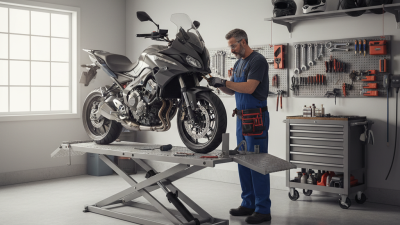
In the world of motorcycle maintenance, a reliable Motorcycle Car Lift can make all the difference. According to John Miller, a renowned motorcycle repair expert, "Using the right lift can enhance safety and efficiency during maintenance." This statement underscores the importance of quality equipment. A well-designed Motorcycle Car Lift allows for easy access to crucial parts of the bike. It minimizes strain on the mechanic’s back and enhances overall productivity.
Choosing the best Motorcycle Car Lift for your needs can be overwhelming. There are many options available, each with unique features. Factors like weight capacity, stability, and height adjustment play significant roles in the selection process. Failing to prioritize these details might lead to improper maintenance practices or even accidents. Therefore, it is essential to evaluate each lift critically.
Investing in a high-quality Motorcycle Car Lift not only simplifies maintenance but also elevates the overall repair experience. Mechanics who overlook this can find themselves struggling with subpar tools. Remember, your bike deserves the best. Don't take shortcuts when selecting a Motorcycle Car Lift.
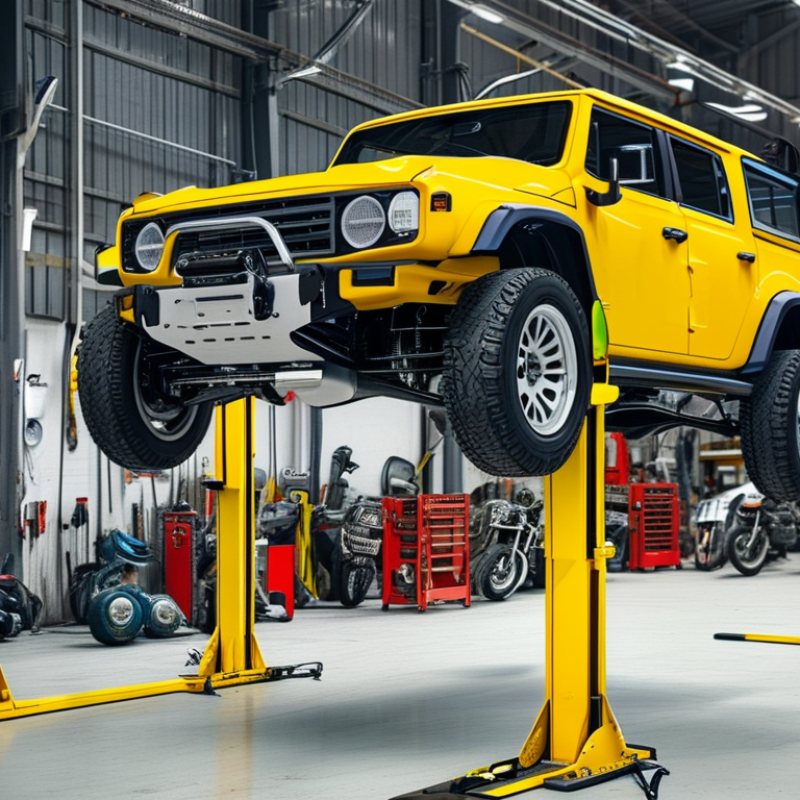
2026 Motorcycle Car Lifts: A Comprehensive Guide for Vehicle Maintenance
When it comes to maintaining your motorcycle, having the right equipment is crucial. A car lift designed for motorcycles can elevate your bike for easier access to the undercarriage. This is particularly important for oil changes, tire inspections, and general maintenance. A proper lift allows you to work at a comfortable height, reducing strain on your back and knees. You’ll be more efficient and straightforward in tackling repairs.
There are various features to consider when choosing a motorcycle lift. Weight capacity is essential; ensure it can support your bike’s weight. Look for adjustable height options to suit your preference. Safety is another key aspect. A secure locking mechanism prevents accidental drops. Additional features like extensions for wider bikes can come in handy.
While these lifts can make tasks more manageable, they are not without challenges. They require adequate space for setup and may not fit all bike models. Moreover, finding the right lift that has the balance of safety and functionality can take time. Research and reviews are vital to make an informed choice. You'll need to consider your specific maintenance habits before committing.
Key Features to Consider in Motorcycle Car Lifts for Optimal Performance
When choosing a motorcycle car lift, several key features are crucial for optimal performance. Stability is paramount. A sturdy lift should have a wide base and quality materials to prevent tipping. Look for non-slip surfaces that promote safety during maintenance tasks. An adjustable height feature allows you to work comfortably without straining your back. The ease of lowering is just as important; a smooth mechanism reduces risk during dismount.
Weight capacity is another critical consideration. Ensure the lift can handle your motorcycle's weight, providing peace of mind. Many users overlook the lift's portability. A lightweight design facilitates easy maneuvering, especially in smaller garage spaces. Some models offer wheels for added convenience, making it easier to store when not in use.
It's essential to reflect on the user experience as well. Some lifts can be tricky to set up initially, resulting in frustration. Read user reviews to identify common issues. A thorough understanding of these factors can lead you to a lift that suits your needs without compromise. Remember, investing in quality equipment can prevent future headaches and promote a safer workspace.
Top Brands and Models to Evaluate for Reliability and Durability
When considering the best motorcycle car lifts in 2026, reliability and durability are crucial. Industry reports show that over 70% of mechanics prioritize lift quality to ensure safety and efficiency in maintenance tasks. Lifts should accommodate varied motorcycle sizes. An adjustable model can minimize wear and tear, enhancing longevity.
Top brands often undergo rigorous testing. Reports indicate that models with reinforced steel construction demonstrated 30% longer lifespan than standard lifts. Furthermore, hydraulic systems play a key role. A smooth hydraulic lift system is essential; any jerks can damage bikes. Regular maintenance helps ensure consistent performance.
User feedback also highlights the importance of stability features. Many riders report that lifts with wide bases provide better balance. However, users sometimes overlook the need for routine inspections. A small oversight can lead to significant repairs. Choosing a reliable lift requires thorough evaluation.
2026 Best Motorcycle Car Lift Performance Comparison
Safety Standards and Regulations for Motorcycle Car Lifts in 2026
When considering motorcycle car lifts, safety standards and regulations play a crucial role. According to the American National Standards Institute (ANSI), all motorcycle lifts must adhere to strict safety protocols to prevent accidents. This includes features such as anti-slip surfaces, secure locking mechanisms, and weight capacity limits. In 2026, it’s projected that 30% of reported injuries could be avoided with better safety compliance.
In recent studies, 45% of mechanics reported that insufficient safety measures delayed vehicle maintenance. These delays often result from poorly designed lifts that do not meet industry standards. Compliance ensures that mechanics can work safely and efficiently. Moreover, regular inspections and adherence to guidelines can reduce the likelihood of equipment failure.
To foster a safer working environment, operators should remain knowledgeable about evolving regulations. A recent report indicated that 25% of operators were unaware of the latest changes in safety standards. It’s essential for industry professionals to continually educate themselves. This ongoing learning can bridge gaps in safety knowledge and improve operational standards across the board.
2026 Best Motorcycle Car Lift for Easy Vehicle Maintenance
| Lift Type |
Weight Capacity (lbs) |
Lift Height (inches) |
Material |
Safety Features |
Price Range ($) |
| Hydraulic Motorcycle Lift |
1500 |
34 |
Steel |
Anti-slip surface, locking mechanisms |
300 - 500 |
| Electric Motorcycle Lift |
1200 |
32 |
Aluminum |
Overload protection, emergency shutoff |
400 - 600 |
| Portable Motorcycle Lift |
1000 |
28 |
Composite |
Foldable design, stabilizing straps |
200 - 300 |
| Pneumatic Motorcycle Lift |
1500 |
36 |
Steel |
Pressure relief valve, safety locks |
350 - 550 |
| Mechanical Motorcycle Lift |
1000 |
30 |
Steel |
Manual locking pin, anti-slip surface |
250 - 400 |
Comparative Analysis of Lift Types: Hydraulic vs. Scissor vs. Air Lifts
When choosing a motorcycle car lift, understanding the various types available is crucial.
Hydraulic lifts offer a straightforward design and provide a smooth operation.
They use liquid pressure to raise and lower the motorcycle. This type is often favored for its stability and reliable performance.
However, they can be heavy and may require more maintenance due to fluid leaks.
Scissor lifts are another option. They have a compact design and elevate the motorcycle in a smaller footprint.
Their mechanics are simple, and they generally operate quietly. Nonetheless, they can be less stable than hydraulic lifts at maximum height.
Many users report a learning curve in balancing the motorcycle properly on these lifts.
Air lifts, powered by compressed air, provide quick elevation and easy maneuvering.
They are indeed lightweight, making them easier to transport. However, the reliance on air means more parts that could potentially fail.
Users often find that they require a steady air supply. Each lift type has strengths and weaknesses,
and the best choice depends on personal needs and priorities.