2026 Best Motorcycle Car Lift for Easy Vehicle Maintenance and Repair?
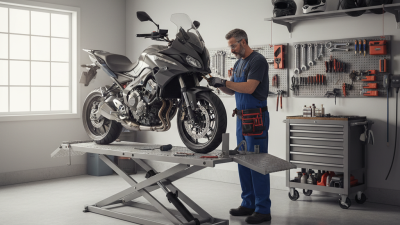
Maintaining and repairing motorcycles can be a challenging task, especially when the right tools are not at hand. The "Motorcycle Car Lift" industry has seen significant innovations, making it easier for enthusiasts to work on their bikes at home. According to Jack Thompson, a renowned motorcycle maintenance expert, “A reliable motorcycle lift can transform your repair experience.” His insight emphasizes the importance of quality in selecting a lift.
Choosing the best motorcycle lift is not just about convenience; it is about safety and efficiency. The right motorcycle lift can reduce physical strain while providing better access to all parts of the bike. Many enthusiasts may struggle with lifts that do not meet their needs or expectations, which often leads to frustration.
Investing in a high-quality motorcycle lift can lead to better maintenance results. However, not all models are created equal. Some may have stability issues or inadequate height ranges. It is important to reflect on what features are crucial for your specific needs. Making the right choice will enhance both your repair efficiency and your overall riding experience.
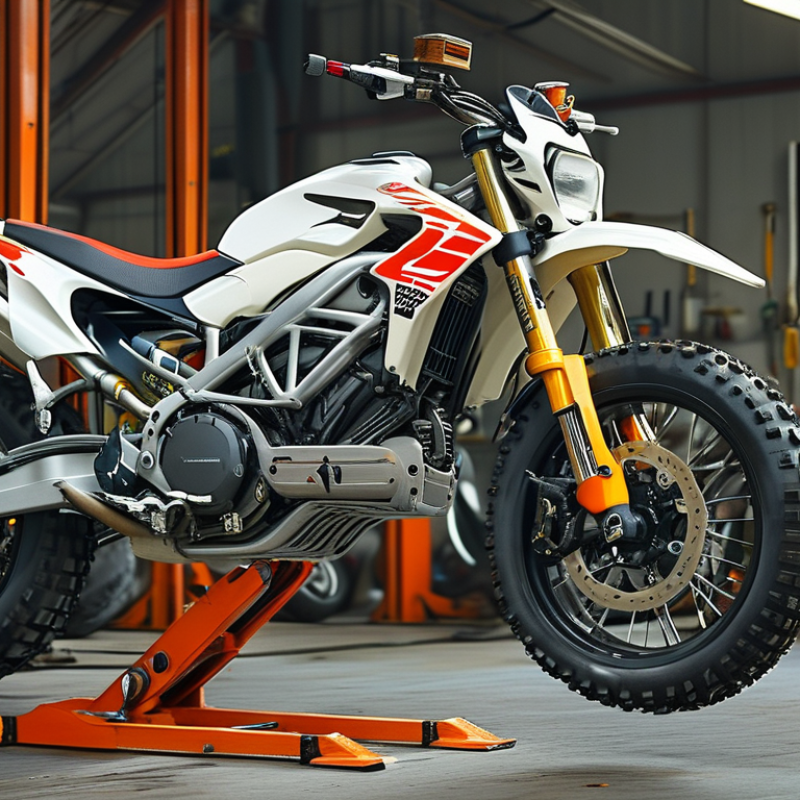
Understanding Motorcycle Car Lifts: Types and Features
When selecting a motorcycle car lift, it's crucial to understand the various types and features available.
Hydraulic lifts are popular for their ease of use. They can lift heavy bikes effortlessly, making maintenance and repair tasks more manageable.
Reports indicate that nearly 65% of professional mechanics prefer hydraulic models due to their reliability and safety.
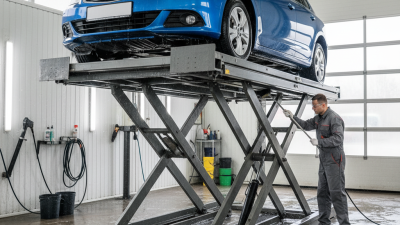
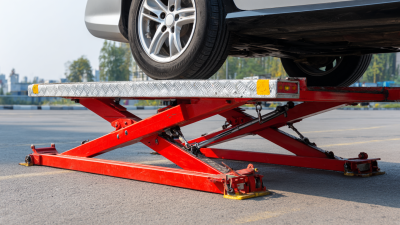
Another common type is the scissor lift. These lifts are compact and can easily fit in smaller garages. They offer stability and can raise vehicles to a comfortable working height.
However, users should be cautious. If not maintained, scissor lifts may have stability issues. Data shows that 30% of accidents related to lifts stem from improper use or maintenance.
Finally, consider adjustable lifts, which provide versatility for varying bike sizes. They enhance accessibility and can accommodate different maintenance tasks.
While these feature-rich lifts can be more expensive, the investment often results in improved efficiency and fewer injuries. Balancing cost with safety is essential.
Regular inspections and user training can enhance their reliability and overall performance.
Key Factors to Consider When Choosing a Motorcycle Car Lift
When selecting a motorcycle car lift, several key factors should be considered. The lift's weight capacity is paramount. Ensure it can easily support your motorcycle's weight. Look for lifts with at least a 1,500-pound capacity for most bikes. Safety features, such as locking mechanisms and stability bars, are crucial. These features minimize the risk of accidents during maintenance.
Next, consider the lift’s height range. A good lift should provide enough elevation for comfortable access to the undercarriage. Most motorcycle lifts offer an adjustable height, making it easier for various tasks. Pay attention to the lift's surface and grip. A non-slip surface ensures that your bike remains secure while you work on it.
Mobility and storage are also significant. Some lifts come with wheels, making them easy to move around the garage. If space is limited, opt for a foldable model that can be stored away. Remember, your choice reflects your maintenance routine. Choose wisely based on your experience level and the type of work you plan to do.
Top 2026 Models for Motorcycle Car Lifts Reviewed
When it comes to motorcycle car lifts, selecting the right model can impact your maintenance experience. In 2026, various options cater to different needs, making it essential to evaluate their features closely. Look for lifts with robust construction, which ensures they can support the weight of your motorcycle securely. Not all lifts provide the same stability; some may wobble, raising concerns about safety during repairs.
Ease of use is another important factor. Many models feature simple hydraulic systems, allowing for quick lifting with minimal effort. However, users have reported that some lifts require more manual effort than expected, leading to frustration. Ergonomic designs can enhance comfort during use, enabling smoother operation, but not every manufacturer prioritizes this aspect in their products.
In analyzing these models, it's crucial to consider user reviews. They highlight reliable options and reveal potential drawbacks that might not be apparent in manufacturer descriptions. Some lifts may have limited lift heights or inadequate locking mechanisms. Always read the specifications thoroughly to avoid disappointment and ensure safety during maintenance.
Safety Tips for Using Motorcycle Car Lifts Effectively
Using a motorcycle car lift can enhance your vehicle maintenance routine, but safety is paramount. Always inspect the lift before use. Check for any mechanical issues or wear. Ensure the area around the lift is clear. Position yourself carefully to avoid accidents. Wearing the right gear, like gloves and sturdy shoes, can protect you while working.
Stability is crucial. Make sure the motorcycle is securely positioned on the lift. Use wheel chocks to prevent movement. Always follow the manufacturer’s guidelines for weight limits. Improper use can lead to injuries. If working alone, consider additional safety measures, like a secondary support system. Reflect on your environment. Poor lighting or clutter can increase risks during maintenance.
Regular safety checks are necessary for both the lift and workspace. Keeping tools organized reduces hazards. Take breaks to avoid fatigue. Fatigue can lead to mistakes, so remain vigilant. Practice makes perfect, but always stay cautious. Safety is an ongoing commitment in vehicle care.
Maintenance and Care for Your Motorcycle Car Lift
When working with a motorcycle car lift, proper maintenance is crucial. Regular inspections can help identify wear or damage. Check the lift's hydraulic fluid level frequently. If it's low, refill it to maintain performance. Cleaning the lift after each use prevents dirt build-up. This ensures smooth operation and longevity.
Lubricate moving parts every few months. This helps avoid rust and friction issues. Be mindful of the load limits specified by the manufacturer. Exceeding these limits can lead to dangerous situations. Consider the lift’s surface; a stable area is essential for safety.
Sometimes, users overlook small signs of wear. A slight crack or an unusual noise shouldn’t be ignored. Always stay vigilant. Keeping track of usage hours helps gauge the right time for maintenance. Reflecting on these details can save time and enhance safety. Regular care can make a significant difference, ensuring your lift remains reliable for all projects.