Leave Your Message

What Is the Best Car Tire Changer in China?

Choosing the best car tire changer in China requires more than comparing prices and appearance. A reliable machine must perform consistently in real workshop conditions. It should handle common tire sizes, protect alloy rims, and reduce physical strain during daily service. The keyword Cars Tire Changer often describes many different products, from compact manual units to advanced automatic systems.

No machine is perfect.

In a busy repair shop, small details matter. A strong turntable should remain stable during mounting. The bead breaker should apply smooth pressure without damaging the tire sidewall. Operators should also examine motor power, clamping range, air requirements, noise levels, and spare-parts availability. These points are more useful than a polished product photo. Practical testing, manufacturer specifications, and feedback from experienced technicians provide stronger evidence.

This guide evaluates Chinese tire changers through performance, safety, usability, and long-term support. It considers whether a machine suits a small garage, mobile service team, or high-volume workshop. Verified certifications and clear technical documentation can improve buyer confidence, but they should not replace hands-on inspection. Some suppliers offer excellent value, while others may exaggerate capacity or automation features. That risk deserves attention.

A careful buyer should request videos of actual operation, detailed warranty terms, and replacement-part information. It is also wise to confirm installation support before placing an order. My judgment may not fit every workshop, especially where tire sizes or working habits differ. Still, the comparison can provide a practical starting point for finding a dependable Cars Tire Changer in China.
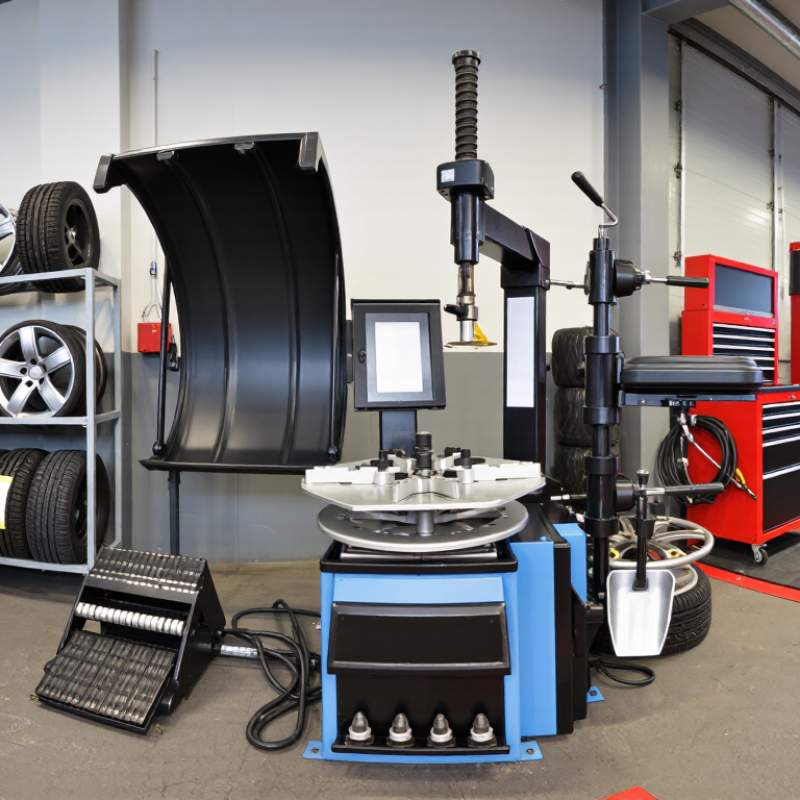
What Is the Best Car Tire Changer in China?

Types of Car Tire Changers Available in China

China offers several types of car tire changers for different workshop needs. The swing-arm changer is common in small and medium garages. It uses a side-mounted arm and suits many standard passenger-car wheels. A tilt-back changer provides more working space behind the tire. This design helps technicians handle wider rims with better control.

Leverless tire changers reduce contact between tools and expensive alloy rims. They are useful when protecting delicate finishes matters. Some models include helper arms for run-flat or stiff sidewalls. Automatic tire changers can improve consistency in busy service centers, but they usually require more floor space and training. Portable changers are practical for roadside work, although their stability may be limited. That part is easy to underestimate.

Tips: Match the changer with your wheel sizes, tire stiffness, and daily workload. Check the clamping range, air supply, motor strength, and available service support. A sturdy turntable should rotate smoothly without excessive vibration. Test the machine with an ordinary tire before accepting difficult jobs. I would also inspect the bead breaker carefully. Small design details often affect speed more than advertised power.

What Is the Best Car Tire Changer in China?

Types of Car Tire Changers Available in China

Tilt-back automatic and leverless tire changers generally provide the widest rim-size capacity and better protection for low-profile or run-flat tires. Semi-automatic swing-arm machines are widely used for standard passenger cars, while manual changers are more suitable for basic or low-volume service work. Actual specifications vary by machine configuration.

Data shown: typical maximum supported rim diameter based on commonly available machine specifications in the Chinese market.

Key Features That Define a High-Quality Tire Changer

What Is the Best Car Tire Changer in China?

A high-quality tire changer should protect both the wheel and the technician. In a hands-on check, examine the clamping system first. It should hold steel and alloy wheels firmly without marking their surfaces. A wide clamping range also improves workshop flexibility. Small details matter. A controlled bead-breaker blade, adjustable pressure, and a pneumatic assist arm can reduce damage during difficult tire removal. Variable rotation speed gives better control around low-profile tires and sensitive rims. The U.S. Tire Manufacturers Association reported 334.2 million tire shipments in 2023 in its 2024 Factbook. That volume shows why reliable, repeatable equipment matters in busy service centers.

Safety features deserve equal attention. OSHA Standard 29 CFR 1910.177 requires suitable restraints and safe inflation procedures for certain tire servicing operations. A strong changer should support these practices with clear controls, stable construction, and an accessible emergency stop. Check the motor’s torque, air consumption, noise level, and maintenance access. A machine that performs quickly but causes frequent downtime is not truly efficient. Not always. Digital pressure displays should also be checked against a calibrated gauge, because factory accuracy can drift. ISO 9001 certification may indicate controlled manufacturing, but it does not replace a real workshop test. That assumption needs challenging. Before purchase, test several wheel sizes, inspect the bead area afterward, and ask for documented service support, spare-part availability, and operator training.

Comparing Manual, Semi-Automatic, and Automatic Models

What Is the Best Car Tire Changer in China?
Comparing Manual, Semi-Automatic, and Automatic Models

China’s busy repair market needs more than a low purchase price. The China Association of Automobile Manufacturers reported 31.28 million vehicles produced in 2024. That volume creates steady tire service demand, especially in urban workshops with limited floor space.

Manual tire changers suit small garages and mobile technicians. They need no compressed air or complex controls. However, each wheel takes longer, and physical effort increases with stiff sidewalls. Semi-automatic models offer a practical middle ground. They reduce bead-breaking effort and improve repeatability, while keeping maintenance relatively simple. In my view, they fit many independent workshops better than expensive high-output equipment.

Automatic models deliver faster cycles and consistent clamping. They are useful for tire centers handling many vehicles daily. The 2024 Global Automotive Aftermarket Report from the Auto Care Association valued the U.S. aftermarket at more than 500 billion dollars, showing how strongly service efficiency affects operating costs. Still, automation does not remove risk. Operators must check rim protection, machine calibration, air supply, and training. One mistake can damage an alloy wheel quickly. A cheaper semi-automatic machine may also outperform an automatic unit when staff lack proper training. That point is easy to miss.

How to Choose the Best Chinese Tire Changer for Your Needs

What Is the Best Car Tire Changer in China?

How to Choose the Best Chinese Tire Changer for Your Needs

The best Chinese tire changer is not always the cheapest model. It should match your daily workload, wheel sizes, and technician experience. A small repair shop may need a compact machine for standard passenger cars. A busy workshop may require stronger clamping power, faster operation, and support for run-flat tires.

Check the machine’s working range carefully. Measure your common wheel diameters and widths before comparing specifications. Review the motor power, air pressure requirement, turntable strength, and bead breaker design. A clear operating manual matters too. Poor instructions can slow training and create avoidable damage.

Safety comes first.

Ask the supplier for test records, replacement-part availability, and warranty terms. Confirm which electrical standards apply in your country. Independent certification should be verified, not simply mentioned in an advertisement. In my workshop experience, stable operation is more valuable than impressive maximum capacity. I once chose a machine with a wider range than necessary, but its controls felt awkward during busy shifts. That decision increased fatigue. Consider noise, pedal layout, maintenance access, and installation space. A machine that technicians trust usually delivers better long-term results. Still, specifications can look better on paper than they feel in daily work, so request a demonstration or trial when possible.

Safety, Maintenance, and Long-Term Operating Costs

What Is the Best Car Tire Changer in China?
Safety, Maintenance, and Long-Term Operating Costs

The best tire changer is not always the fastest or cheapest machine. In busy Chinese workshops, safety begins with stable clamping, controlled rotation, and clear emergency stops. The machine should hold different wheel sizes without sudden movement. A strong bead-breaking arm also reduces hand injuries and rim damage. Operators need practical training, not only a manual. I have seen experienced workers rush this step, especially during peak hours.

Maintenance affects the real purchase price. Check the air lines, clamps, turntable, and foot pedals every day. Remove rubber debris before it reaches moving parts. Lubricate approved points according to the service schedule. Record unusual noise, air loss, or slow rotation. These small records help technicians find problems before downtime becomes expensive. I once underestimated a minor air leak. It later increased compressor use and delayed several repairs. That mistake still influences how I assess equipment.

Tips: Choose a model with accessible replacement parts and clear technical support. Ask about warranty response times, training, and common service costs. Compare electricity, air consumption, maintenance labor, and expected lifespan. A cheaper machine may require more adjustments. Test the controls with gloves and inspect the emergency stop before purchase. Safety should feel natural, not forced.

What Is the Best Car Tire Changer in China? — Safety, Maintenance, and Long-Term Operating Costs
Tire Changer Type Typical Tire Range Recommended Use Key Safety Features Routine Maintenance Typical Purchase Cost in China (RMB) Estimated Annual Operating Cost (RMB) Long-Term Value Overall Suitability
Manual Tire Changer Up to approximately 21 inches, depending on the rim clamp and mounting head Low-volume workshops, roadside service, agricultural or occasional tire work Mechanical wheel restraints, stable base, bead-breaking guard, controlled handle movement Lubricate pivots, inspect clamps and mounting head, tighten fasteners, remove rust RMB 1,500–5,000 RMB 300–1,000 Low initial cost but high labor demand and slower throughput ★★★☆☆
Swing-Arm Pneumatic Changer Commonly 10–24 inches for passenger-car wheels General repair shops, tire dealers, and medium-volume service centers Regulated compressed air, bead-breaker control, wheel clamping, pressure gauge, emergency stop where fitted Drain the air filter, lubricate pneumatic components, inspect hoses, check clamps and cylinder seals RMB 8,000–18,000 RMB 1,500–4,000 Balanced purchase price, productivity, repairability, and parts availability
Tilt-Column Pneumatic Changer Commonly 12–26 inches, with some configurations supporting larger wheels Busy tire shops handling alloy wheels, low-profile tires, and frequent daily use Adjustable pressure controls, bead-breaker limiter, clamping protection, pneumatic locking column Drain the water separator, lubricate the column and air circuit, inspect seals, verify column locking RMB 15,000–35,000 RMB 2,000–5,000 Higher productivity and reduced operator strain; requires more floor space
Leverless Tire Changer Typically 12–30 inches, depending on the machine configuration Professional shops servicing expensive alloy wheels, run-flat tires, and low-profile tires Tool-free mounting head, controlled bead lifting, adjustable clamping force, wheel protection accessories Clean and lubricate sliding mechanisms, inspect plastic protection inserts, maintain air preparation units RMB 30,000–80,000+ RMB 3,000–8,000 Excellent rim protection and premium capability, but higher investment and training requirements ★★★★☆
Heavy-Duty Truck Tire Changer Approximately 14–56 inches, depending on the model and adapter system Truck, bus, fleet, and commercial-vehicle service operations High-capacity clamps, hydraulic or pneumatic movement, mechanical locking, load-rated accessories Inspect hydraulic oil, hoses, clamps, gearboxes, electrical controls, and load-bearing components RMB 45,000–150,000+ RMB 5,000–15,000 Cost-effective only when large commercial tires generate sufficient service volume ★★★☆☆ for passenger cars
Automatic Tire Changer with Integrated Wheel Lift Usually 10–24 inches for passenger vehicles High-throughput workshops seeking consistent operation and reduced manual lifting Wheel lift, controlled rotation, pressure regulation, emergency stop, guarded moving parts Inspect sensors, belts, clamps, pneumatic cylinders, safety switches, and electrical connections RMB 35,000–100,000+ RMB 4,000–10,000 High productivity and ergonomic benefits, with greater electronic maintenance exposure ★★★★☆
Recommended Selection for Most Chinese Passenger-Car Workshops Approximately 10–24 inches Daily passenger-car service with mixed steel and alloy wheels Wheel clamping, bead-breaker pressure control, regulated air supply, rim-protection inserts, emergency stop, operator training Daily cleaning; weekly air-system inspection; monthly lubrication and fastener checks; periodic calibration RMB 10,000–25,000 RMB 1,800–4,500
Cost basis: Purchase and operating figures are practical market ranges for China and vary with configuration, shipping, installation, local labor, electricity, compressed-air consumption, spare parts, and service frequency. Annual operating cost excludes rent, labor wages, tire consumables, and major accident repairs. A properly trained operator should always follow the machine manual, use an approved tire lubricant, confirm the wheel is securely clamped, and stay outside the potential trajectory of pressurized components.