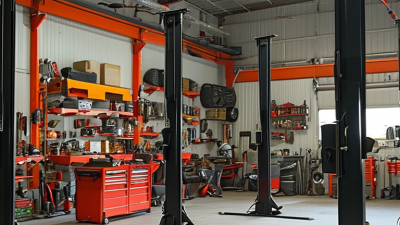
Choosing a Four Post Car Lift can transform an ordinary garage into a safer, more useful working space. It supports the vehicle at four stable points, leaving the wheels accessible for storage, inspection, or maintenance. Picture a pickup raised above a second car, with clear floor space underneath. That practical advantage matters in crowded home garages.
Market evidence supports this growing interest. Grand View Research valued the global automotive lift market at approximately USD 2.2 billion in 2023 and expects continued growth through 2030. The report links demand to vehicle maintenance, professional workshops, and limited urban space. A separate 2024 SEMA vehicle-industry outlook also highlights continued consumer spending on repair, restoration, and garage equipment. These reports do not prove that every garage needs a lift. They show why buyers are researching better storage and service solutions.
Safety remains the deciding issue. The Automotive Lift Institute stresses third-party certification, correct installation, and operator training. R.W. “Bob” O’Gorman, former ALI president, has repeatedly emphasized the importance of using certified lifting equipment: “A lift is only as safe as the person using it.” That principle is easy to overlook. A four-post design can feel exceptionally stable, yet uneven flooring, overloaded ramps, or careless locking procedures still create hazards. Buyers should check rated capacity, runway length, ceiling height, lock engagement, and certification before comparing prices. The cheapest option may become the most expensive mistake. This guide examines those details, while acknowledging one uncomfortable point: convenience can encourage shortcuts.
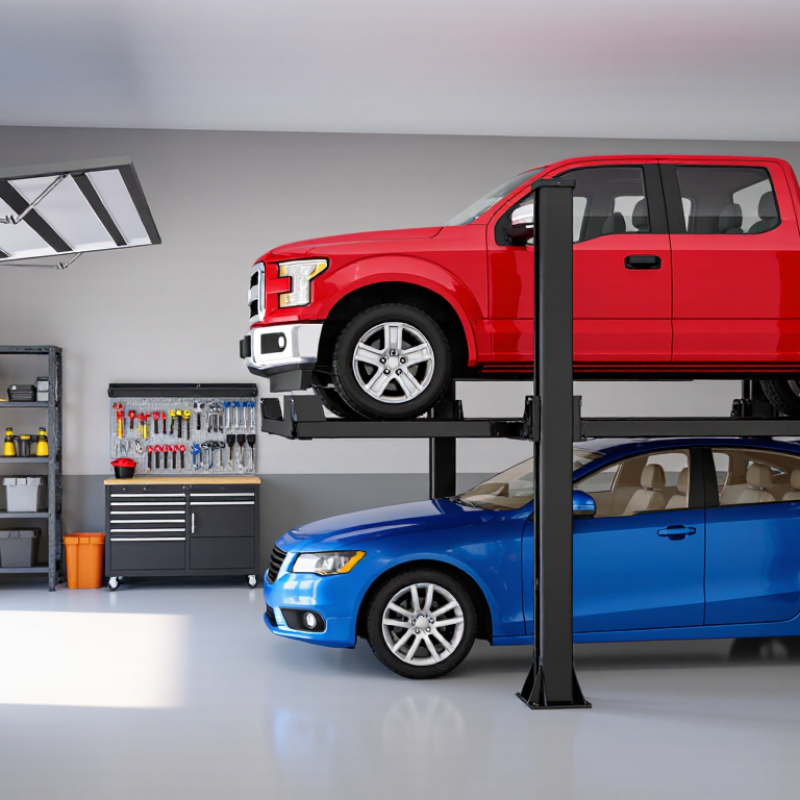
A four-post car lift is a vehicle platform supported by four upright columns. Two parallel runways hold the tires, while ramps guide the car onto the platform. An electric-hydraulic system raises the runways evenly, and mechanical locks support the load at selected heights. Unlike a two-post lift, it usually supports the vehicle through its wheels. This design feels stable and suits long-term storage, home maintenance, and vehicles with delicate body structures.
Choosing the correct lift requires more than checking its advertised capacity. Measure your garage ceiling, door clearance, and available floor space first. The lift must stand on a strong, level concrete surface. Check the vehicle’s wheelbase, tire width, total weight, and underside clearance.
In practical use, drip trays can catch small leaks, and caster kits may help reposition some models. However, a four-post lift may limit access to suspension components. That limitation is easy to overlook.
Tips: Keep the runways clean and inspect cables, locks, bolts, and hydraulic lines regularly. Drive slowly until all tires are centered. Engage the mechanical locks before working underneath. Never depend only on hydraulic pressure. A second person can watch alignment during loading. Even experienced users occasionally misjudge roof clearance, so measure twice. Manufacturer instructions remain essential, and skipping them is a poor shortcut.
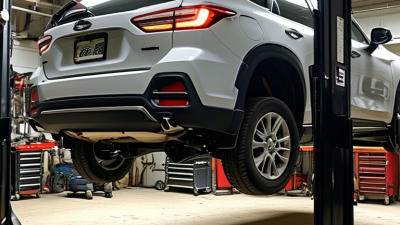
A four-post car lift raises a vehicle by its tires. The car drives onto two steel runways, which connect the four upright posts. A motor-driven hydraulic pump lifts the runways through cables, chains, or synchronized cylinders. As the platform rises, mechanical locks engage at fixed heights. These locks support the load during storage or maintenance.
The system is straightforward. Not effortless. The runways must sit on a level, solid floor, and the vehicle must stay centered between the posts. Wheel stops at the front help prevent overtravel. Operators should check the lift’s rated capacity against the vehicle’s actual weight, including tools or cargo. Never depend on hydraulic pressure alone.
After raising the vehicle, the operator lowers it gently onto the mechanical locks. A visual check should confirm that every lock has engaged evenly. Uneven lifting can indicate cable stretch, poor alignment, or an obstruction under a tire. That detail is easy to miss. A four-post lift works especially well for vehicle storage because it supports the wheels and leaves useful space below. However, the wheels remain loaded, so some suspension and tire work may require additional equipment. The owner’s manual and the lift manufacturer’s inspection schedule still matter, even when the lift appears stable.
A four-post car lift can make a garage far more useful, especially when floor space is limited. Its ramps support the tires, so the vehicle remains stable during storage or routine maintenance. This design also avoids drilling into the garage floor, which helps owners who need a flexible setup. Space matters. A second vehicle, seasonal tires, or storage bins can fit beneath the raised car.
In daily garage use, the wide platform makes loading simpler than balancing a vehicle on narrow lifting points. I have found that this is helpful when moving a car slowly into position, particularly in a crowded garage. Built-in locking positions can hold the lift mechanically, reducing reliance on hydraulic pressure alone. A drip tray can also protect the lower vehicle from oil or water marks. These small details make a noticeable difference.
The lift still requires careful planning. Measure the ceiling, vehicle height, wheelbase, and available clearance before installation. The concrete slab must meet the equipment manufacturer’s requirements, and the rated capacity should exceed the vehicle’s actual weight. Never treat a storage lift as maintenance support unless its design allows safe access underneath. Check cables, locks, ramps, and connectors regularly. I once underestimated ceiling clearance by a few centimeters; the lift worked, but opening the upper car’s trunk became awkward. That mistake was avoidable. A qualified installer can verify alignment and safe operation, although professional advice may add time and cost.
A four-post car lift suits garages that need both parking flexibility and dependable vehicle support. It works well when floor space is limited but ceiling height is available. The vehicle drives onto wide runways, reducing the need for precise wheel alignment. This makes loading easier for daily drivers, classic cars, and heavier SUVs.
Measure carefully before choosing one. Check ceiling clearance, doorway width, runway length, and concrete slab strength. The lift must support the vehicle’s total weight, wheelbase, and tire width. I once underestimated ceiling height by a few inches. That small mistake would have made the lift impractical. Measure with the vehicle parked, the trunk open, and the tallest roof accessory installed.
Four-post lifts are especially useful for seasonal storage or keeping a second vehicle above a daily car. Their stable platforms also suit routine inspections, fluid checks, and tire service. However, they are less convenient for suspension repairs because the wheels remain supported by the runways. A compatible rolling jack bridge can improve access, but it adds cost and setup time. Choose equipment with mechanical safety locks, clear load ratings, and accessible maintenance instructions. A level installation matters. So does regular inspection. A crowded garage may still feel restrictive around the posts, especially when opening doors or carrying tools.
A four-post car lift offers a wide, stable platform for storage and maintenance. Its runways support the tires, reducing balance concerns during loading. This design also creates useful space beneath a parked vehicle. However, stability does not remove risk.
Choose a lift with a clearly stated capacity and compliance with ANSI/ALI ALCTV safety requirements. Check the concrete thickness, surface level, and clearance before installation. Engage every mechanical lock before entering the space below. Wheel chocks add protection, but they cannot replace properly engaged locks. Keep ramps dry and free from oil. A small spill can change everything.
Installation & Loading
Choose a lift with a clearly stated capacity and compliance with ANSI/ALI ALCTV safety requirements. Check the concrete thickness, surface level, and clearance before installation.
Safety Checks
Engage every mechanical lock before entering the space below. Wheel chocks add protection, but they cannot replace properly engaged locks. Keep ramps dry and free from oil. A small spill can change everything.
Maintenance should follow the inspection schedule in the equipment manual. Examine cables, pulleys, hydraulic hoses, locks, welds, and runway hardware for wear or distortion. Look for slow leaks beneath the power unit.
Stop using the lift when a lock fails to engage evenly. The Occupational Safety and Health Administration emphasizes regular inspection and removal of defective equipment from service.
In practice, a clean inspection sheet is not proof of safety. I would still test each lock visually and listen for unusual sounds. Missing that quiet warning is an easy mistake.