Wheel Alignment and Tire Balance Tips for Optimal Driving?
Maintaining proper Wheel Alignment and Tire Balance is crucial for any vehicle. Misalignment can cause uneven tire wear, leading to costly replacements. A vehicle that pulls to one side may indicate an alignment issue. Tire balance also affects your ride quality and steering precision.
Regular checks can prevent headaches later on. Drivers often overlook these aspects, focusing instead on engine performance or fuel efficiency. However, neglecting wheel alignment can decrease fuel efficiency and increase tire wear.
Visually inspecting tires for uneven wear is a good start. If you find issues, consulting a professional is wise. Keeping an eye on these details can promote safety on the road. Remember, your vehicle deserves attention, just like you do.
Understanding Wheel Alignment: Definition and Importance in Vehicle Performance
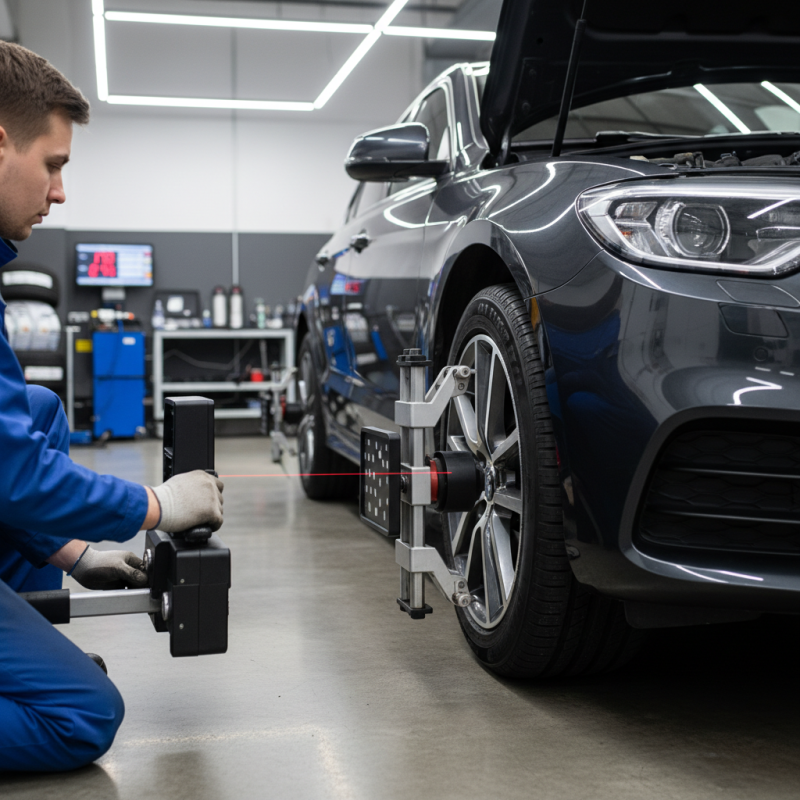
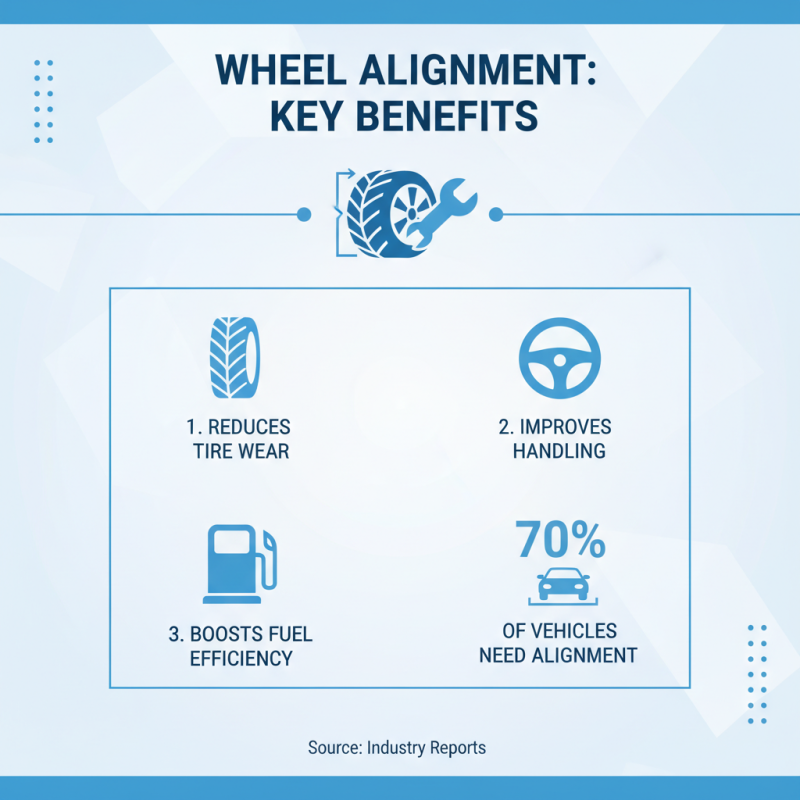
Wheel alignment is crucial for vehicle performance. It ensures that your tires are adjusted to the correct angles. A proper alignment can reduce tire wear and improve handling. According to industry reports, nearly 70% of vehicles experience alignment issues over time. This can lead to uneven tire wear and decreased fuel efficiency.
Improper alignment can negatively affect your driving experience. Drivers may notice their vehicle pulling to one side or steering wheel vibrations. Many overlook these signs. Research shows that misaligned wheels can decrease fuel efficiency by up to 10%. This could translate into increased fuel costs over time. Regularly checking alignment can prevent these issues.
Maintaining proper wheel alignment is not just about comfort. It directly impacts safety. Alignment problems can reduce braking efficiency and response time. In a notable study, vehicles with misalignment were involved in 20% more accidents than those with proper alignment. It’s essential to address any signs of misalignment promptly. Ignoring them can lead to more significant repair costs down the road.
Key Signs Indicating Your Vehicle Needs Wheel Alignment Adjustment
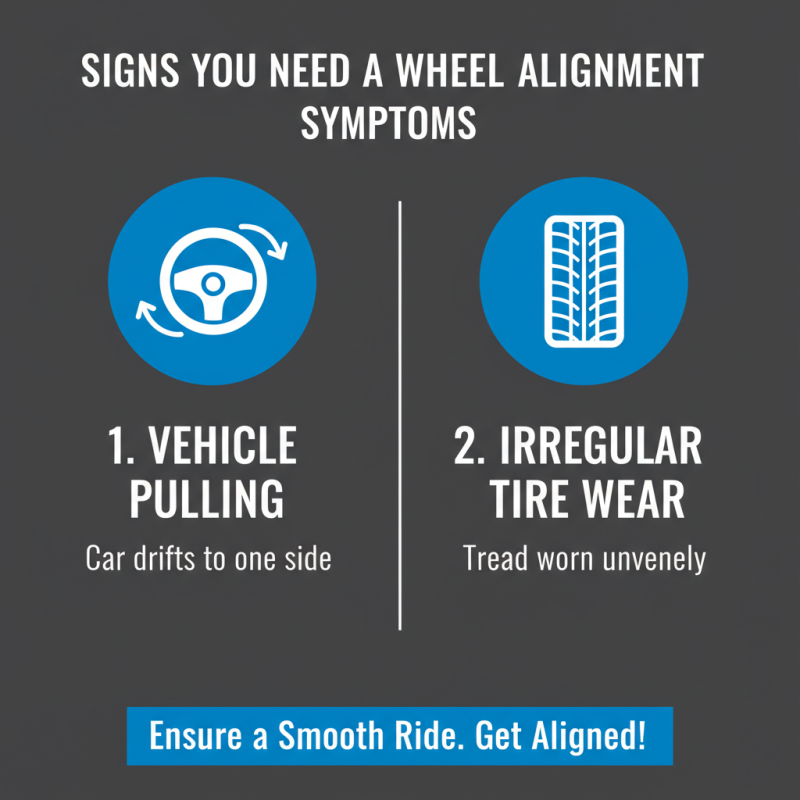
When it comes to wheel alignment, certain signs indicate an adjustment is necessary. You may notice your vehicle pulling to one side. This is a clear indication that your wheels are misaligned. Irregular tire wear is another key sign. If one side of your tire tread is more worn than the other, it may be time to get your wheels checked.
Additionally, if your steering wheel is off-center while driving straight, it's a signal that alignment is needed. Sometimes, the steering feels loose or unstable. This can affect your control and overall safety on the road. If you hear unusual noises when turning, this might also be connected to alignment issues.
Pay attention to these details. They are often overlooked. Regular checks can prevent larger problems. Investing time in maintenance can save you money later. Sometimes, it's easy to ignore these signs. But, addressing them early can lead to a smoother, safer ride.
The Science of Tire Balancing: How It Affects Ride Quality and Safety
Proper tire balancing is essential for a smooth ride. According to the Tire Industry Association, unbalanced tires can cause excessive vibrations. These vibrations not only reduce comfort but can also lead to premature tire wear.
Research indicates that unbalanced tires can decrease fuel efficiency by up to 10%. This inefficiency is not just about money; it can impact the environment as well. A vehicle that demands more energy consumes more fuel, leading to higher emissions.
Ride quality hinges on proper alignment and balance. An imbalance can cause issues in steering and handling. Drivers may notice the car pulling to one side. It's essential to address these problems promptly. Ignoring them may lead to more significant issues down the road. Regular checks can save headaches.
Recommended Frequency for Wheel Alignment and Tire Balancing Maintenance
When it comes to maintaining your vehicle, wheel alignment and
tire balancing often get overlooked. However, they are crucial for a
safe driving experience. According to the Tire Industry Association, improper alignment can lead to
uneven tire wear, reducing tire life by up to 25%. This is significant when
you consider the costs associated with tire replacement. Regular
checks can save money in the long run.
Experts recommend checking wheel alignment and tire balance every 6,000 to 8,000 miles.
This frequency aligns with the typical tire rotation schedule. For those who drive in rough conditions or carry heavy loads, more
frequent checks are advisable. Neglecting this can not only wear tires prematurely but also affect
steering response and fuel efficiency. Studies show that vehicles with proper alignment can
achieve up to 10% better fuel economy.
It’s easy to dismiss these checks as optional, but the longer you wait, the worse it gets. A noticeable
pull to one side could indicate misalignment. You might feel the steering wheel vibrate, a sign that
balancing is off. Paying attention to these details is vital. Skipping
regular maintenance can lead to bigger problems down the road.
Impact of Misalignment on Fuel Efficiency and Tire Lifespan: Industry Insights
Misalignment can drastically affect both fuel efficiency and tire lifespan. According to the U.S. Department of Energy, improperly aligned wheels can decrease fuel efficiency by up to 10%. That’s a significant dent in your gas budget. Drivers often overlook this issue, leading to unnecessary expenses. With fuel prices fluctuating, every mile matters.
Tire lifespan suffers when wheels are misaligned. A recent industry report indicated that misalignment could reduce tire life by 25%. Most drivers replace tires due to wear and tear, but misalignment accelerates this process. It creates uneven tread wear, which means tires need replacement sooner than expected. Many keep an eye on tread depth but ignore alignment.
Regular checks can prevent these issues. Many industry experts recommend having alignment checked every 6,000 miles. Ignoring this is a costly mistake. The need for more awareness in the industry is critical. Proper alignment and balance are necessary for safety and performance. Neglecting them can lead to a reactive approach rather than a preventative one.