The Ultimate Guide to Understanding Car Tire Balancing Machines and Their Importance
When it comes to maintaining the optimal performance and safety of your vehicle, understanding the role of
a Car Tire Balancing Machine is essential. This sophisticated piece of equipment is crucial for ensuring that your tires wear evenly, providing a
smooth and comfortable ride. By redistributing the weight of the tires and wheels,
a Car Tire Balancing Machine helps to eliminate vibrations that can lead to premature tire wear and
suspension issues. In this ultimate guide, we will delve into the intricacies of
tire balancing, explore the types of machines available, and share practical
tips to help you select the right balancing service for your needs. Whether you're a car enthusiast or a
casual driver, grasping the importance of tire balancing will empower you to make informed decisions that
enhance your vehicle's performance and longevity.
Benefits of Using a Tire Balancing Machine for Vehicle Performance
Tire balancing machines are crucial for ensuring optimal vehicle performance. By uniformly distributing the weight around the tire and wheel assembly, these machines help maintain proper alignment, enhance vehicle stability, and improve tire longevity. An unbalanced tire can lead to uneven wear, vibrations, and potential safety issues, emphasizing the importance of using a tire balancing machine during regular maintenance.
Benefits of using a tire balancing machine extend beyond mere performance improvement. Accurate balancing can enhance fuel efficiency, as well-balanced tires reduce rolling resistance, allowing vehicles to consume less fuel over time. Additionally, advancements in tire balancing technology have made it easier for automotive professionals to provide precise adjustments, ultimately leading to superior driving experiences. In the context of the expanding automotive tires market, with substantial growth projected in the coming years, investing in quality tire balancing solutions is more critical than ever.
Tips: Regularly check your tires for signs of imbalance, such as vibrations or uneven wear patterns. Utilize tire sensors that can provide real-time data on tire condition, contributing to safer and more efficient driving. Lastly, always consult a professional when performing tire maintenance to ensure optimal performance.
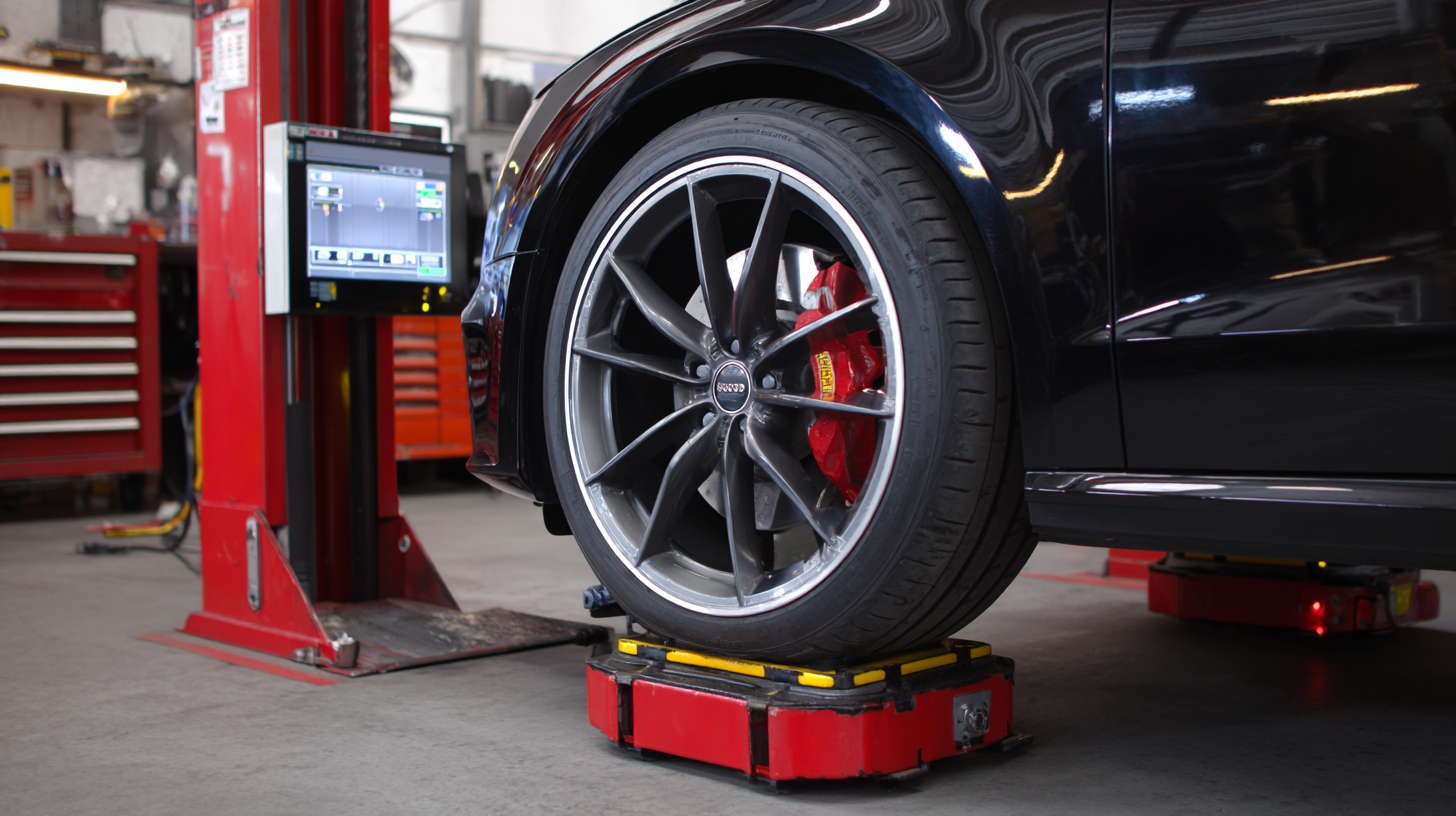
Step-by-Step Guide to Operating a Tire Balancing Machine
Operating a tire balancing machine is a crucial skill for anyone in the automotive service industry. To begin, ensure you have the right safety gear and that the machine is set up properly. Start by inspecting the tires for any visible damage or debris, as this can affect the balancing process. Once the tires are clean, mount them onto the machine’s spinning platform. Ensure they are securely fastened to avoid any accidents during operation.
After mounting, input the necessary specifications into the machine, including tire size and type. This information allows the machine to calculate the appropriate weight distribution required for proper balancing. Once calibrated, start the machine and monitor the display for readings. As it spins, the machine will identify heavy and light spots on the tire. Finally, attach the recommended weights to the specified locations on the rim. This meticulous step ensures that the tire is well-balanced, providing smoother rides and extending the lifespan of the tires and vehicle components.
Common Mistakes to Avoid When Balancing Tires
When it comes to tire balancing, avoiding common mistakes is crucial for ensuring optimal vehicle performance and safety. One widespread error occurs when technicians overlook the importance of properly cleaning the wheel's mounting surface. According to a study by the Tire Industry Association, dirt and debris can lead to an imbalance of up to 0.5 ounces per wheel, significantly affecting handling and tire wear. Ensuring that the wheel is clean prior to balancing helps achieve accurate results and prolongs the lifespan of the tires.
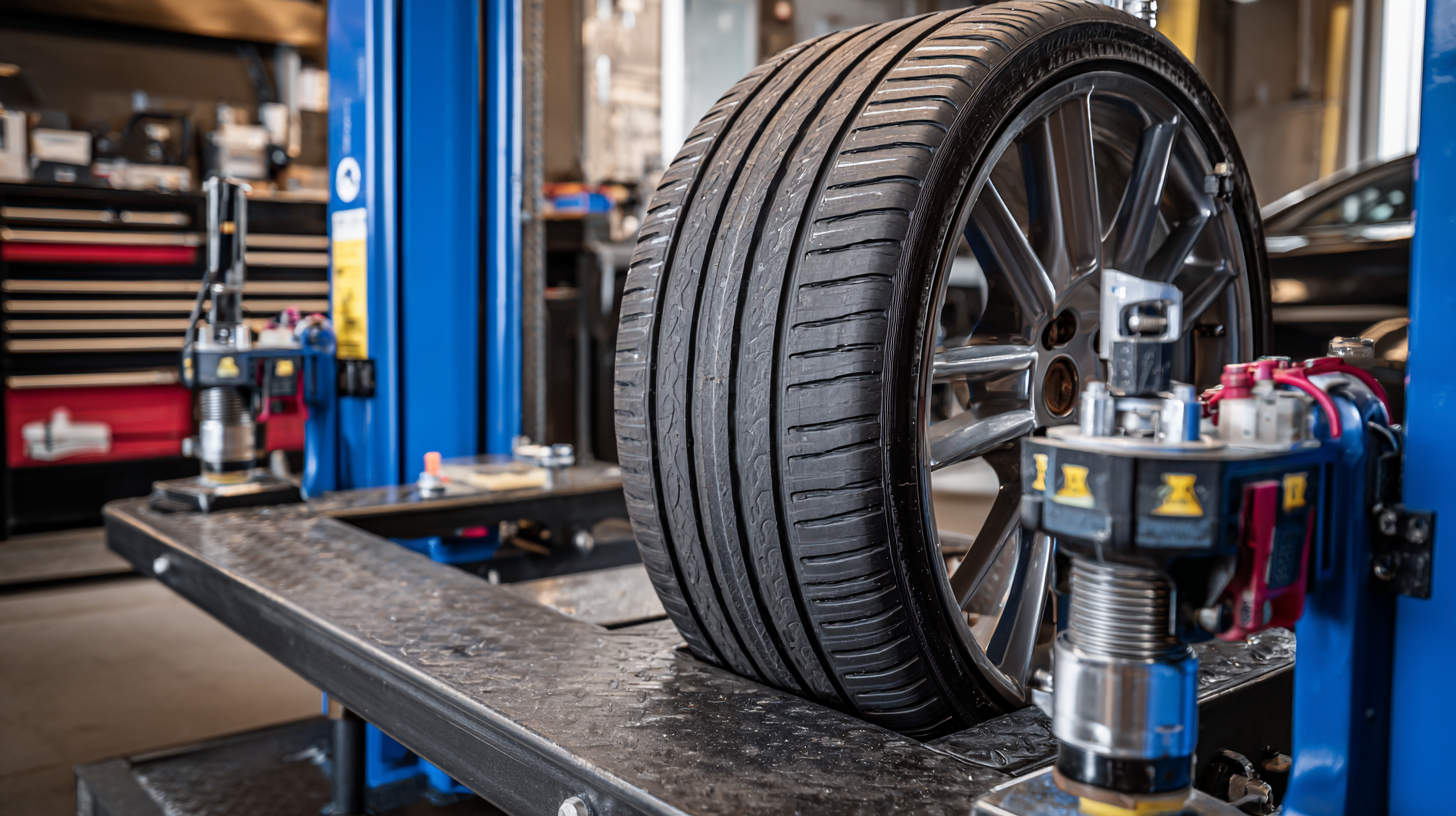
Another frequent mistake involves using the wrong balancing technique for the specific tire type. For instance, high-performance tires often require dynamically balancing, which considers the entire tire and wheel assembly's motion. Failure to utilize the appropriate method can lead to vibrations and uneven wear, compromising driving safety. The National Highway Traffic Safety Administration reports that improper tire maintenance contributes to approximately 33% of tire-related accidents. Therefore, understanding the specific requirements for each tire type is essential for maintaining road safety and vehicle efficiency.
Understanding Different Types of Tire Balancing Machines Available
When it comes to tire maintenance, understanding the different types of tire balancing machines can significantly enhance vehicle performance and safety. The two most common types are static and dynamic balancing machines. Static balancing machines focus on identifying the heavy spot of the tire and wheel assembly, allowing for the strategic placement of weights. This method is effective for simpler balancing needs but may not address all issues related to uneven wear or performance at high speeds.
On the other hand, dynamic balancing machines offer a more comprehensive solution by evaluating the tire and wheel as a unit in motion. These machines not only pinpoint the necessary weight placements but also measure how the assembly behaves while spinning, ensuring a smoother ride. Dynamic balancing is especially crucial for today’s high-speed vehicles, where even slight imbalances can lead to significant vibrations and discomfort for the driver. By choosing the right tire balancing machine, you can optimize your vehicle's handling, extend tire lifespan, and enhance overall driving experience.
The Importance of Tire Balancing Machines
This chart illustrates the varying levels of importance for different types of tire balancing machines. As shown, dynamic balancing is considered the most important, followed by other methods.
Maintenance Tips for Ensuring Longevity of Tire Balancing Equipment
When it comes to maintaining tire balancing equipment, regular care is essential for ensuring optimal performance and longevity. According to the Tire Industry Association, consistent calibration of balancing machines can improve accuracy by up to 20%, making it vital for tire longevity and vehicle safety. Proper maintenance not only enhances equipment efficiency but also contributes to overall customer satisfaction and safety on the road.
**Tip 1:** Regularly inspect the machine for any signs of wear or damage. Dust, debris, and improperly calibrated machines can lead to inaccurate balancing, which can compromise tire life and vehicle dynamics. Perform routine checks at least once a month to ensure all components are functioning correctly.
**Tip 2:** Keep the machine clean and well-lubricated. A report from the Automotive Lift Institute indicates that clean equipment operates more effectively, reducing friction and prolonging the life of moving parts. Schedule deep cleaning sessions every few months to prevent buildup from affecting performance and accuracy.
By following these tips and implementing a reliable maintenance schedule, tire balancing equipment can serve automotive professionals effectively for years, ensuring a smoother, safer ride for their customers.
The Ultimate Guide to Understanding Car Tire Balancing Machines and Their Importance
| Feature |
Description |
Importance |
Maintenance Tips |
| Spin Balancers |
Machines that spin wheels to identify imbalances. |
Ensures smooth rides and reduces tire wear. |
Regularly calibrate and clean the machine. |
| Dynamic Balancers |
Balances tires while in motion to provide real-world conditions. |
Optimal for high-speed vehicles. |
Inspect cables and bearings for proper function. |
| Wheel Weight Types |
Various weights used to correct imbalances. |
Critical for achieving balance. |
Store weights properly and check for corrosion. |
| Machine Calibration |
Process of aligning the balancer for accuracy. |
Ensures reliable measurements. |
Perform calibration as per the manufacturer's schedule. |
| User Training |
Proper training on machine operation. |
Reduces errors and accidents. |
Conduct regular training sessions for staff. |