2026 Top Low Profile Scissor Lift Models and Features Guide?
In 2026, the landscape of construction and industrial equipment continues to evolve. One core component gaining traction is the Low Profile Scissor Lift. This type of lift is designed for tight spaces, maximizing efficiency. According to recent market analyses, the demand for compact lifts is projected to grow by over 8% annually.
These lifts enhance safety and productivity, especially in congested job sites. Many models feature an extended platform for better reach. However, not all models are created equal. Some lack crucial safety features, raising concerns among users. It’s essential to evaluate different manufacturers and their specifications carefully.
Companies should consider not only the load capacity but also the height capabilities. Choosing a Low Profile Scissor Lift that meets specific needs can lead to significant improvements in workflow. Yet, ongoing maintenance is often overlooked. Addressing this could prevent potential downtime. As the market thrives, understanding these lifts' features becomes increasingly vital for effective operations.
Overview of Low Profile Scissor Lifts in 2026
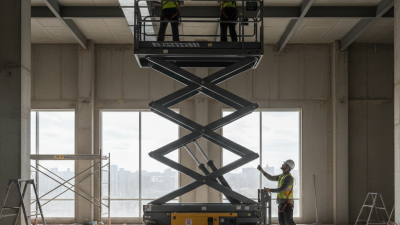
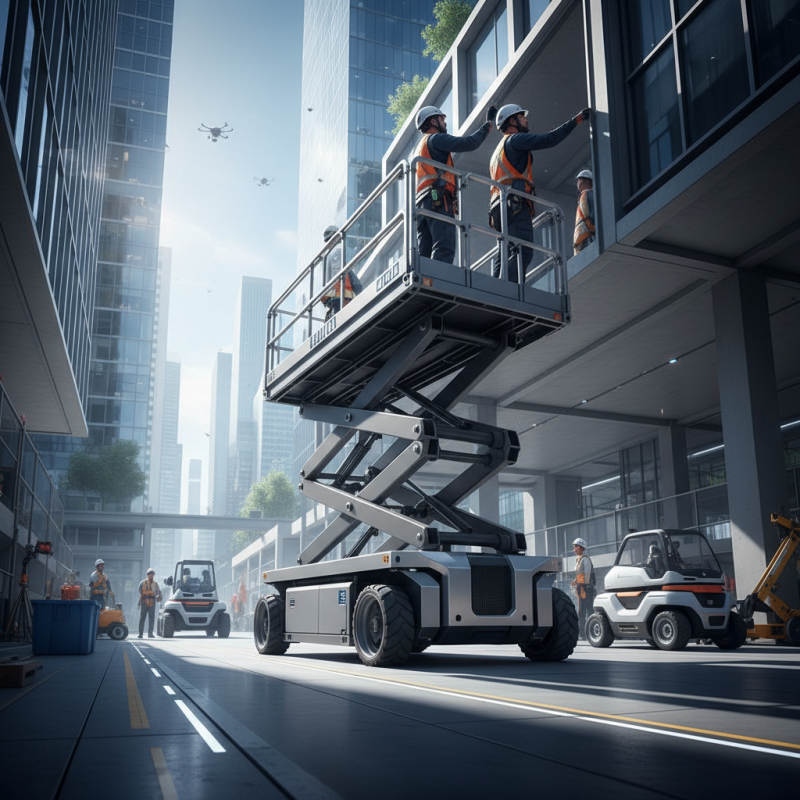
As we look toward 2026, the low profile scissor lift market is evolving rapidly. These lifts are designed for tight spaces, providing enhanced versatility in various applications. Reports indicate a projected growth rate of around 8.5% annually in this segment. Demand is increasing in sectors such as construction and warehousing, where compact equipment is essential. Low profile scissor lifts typically feature a maximum height of 20 feet, making them practical for indoor tasks.
Safety innovations are also becoming crucial. Many models now incorporate advanced control systems, ensuring better stability and load management. Data shows that nearly 75% of operators believe that these systems significantly reduce workplace accidents. However, there remains a concern regarding user training. A study noted that operators who lack proper guidance often misuse these lifts, leading to potential hazards. The industry must prioritize thorough training programs to address this gap.
Environmental considerations are influencing product development. Several companies are designing electric low profile scissor lifts that produce less noise and emissions. The trend aligns with the increasing emphasis on sustainability. Still, the initial investment for electric options may deter some buyers. Evaluation of long-term benefits versus upfront costs is essential, as this may impact overall market adoption. As we progress, balancing innovations with education and affordability will be vital for growth in the low profile scissor lift sector.
Key Features to Consider When Selecting a Low Profile Scissor Lift
When selecting a low profile scissor lift, several key features warrant your consideration. First, focus on the lift's weight capacity. Most models can handle anywhere from 500 to 2,000 pounds. Ensure that you choose a lift that meets your specific lifting needs.
Additionally, the platform height is crucial. Many low profile models range from 10 to 30 feet high. Higher platforms can reach elevated workspaces but may compromise stability. Be mindful of this balance.
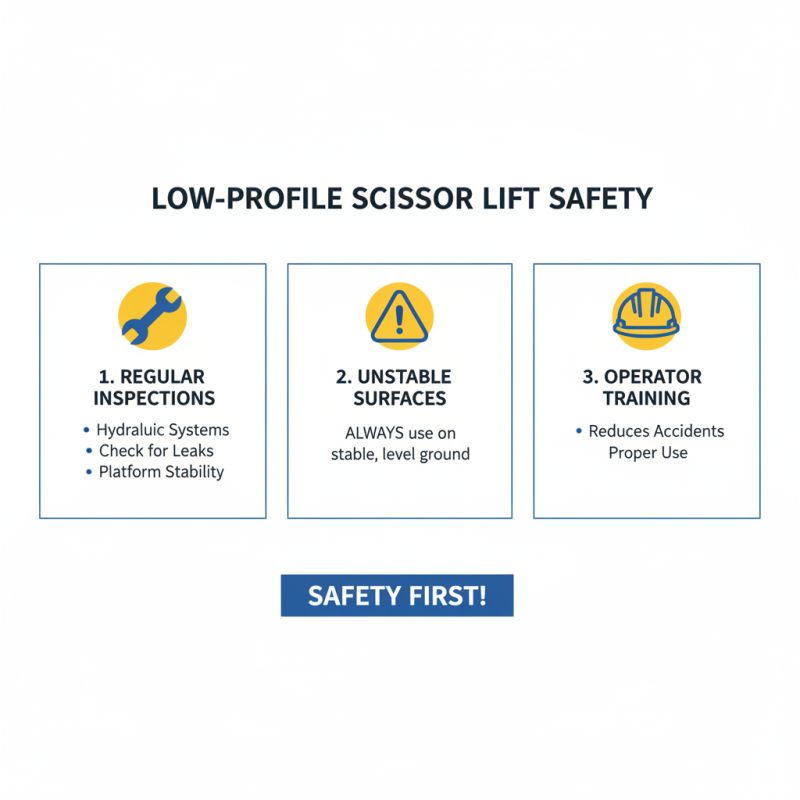
Tip: Carefully assess the ground surface where the lift will operate. Uneven terrain can affect performance.
Next, consider the lift's maneuverability. Look for narrow widths that allow access to tight spaces. Some models feature zero turning radius, enhancing indoor use. A machine that's easy to maneuver ensures safety and efficiency.
While most low profile scissor lifts offer convenience, maintenance is often overlooked. Regular inspections are essential. Ignoring this can lead to unexpected issues and machine downtime.
Tip: Schedule routine maintenance checks to catch problems early. A proactive approach saves money and time.
Top Models in the Market for Low Profile Scissor Lifts in 2026
As we look ahead to 2026, low profile scissor lifts are becoming increasingly popular in various industries. These machines offer a compact option for working in tight spaces. Their height capabilities provide an efficient solution for tasks like maintenance and installation. Many models boast a working height of up to 20 feet, making them ideal for indoor use. User-friendly controls enhance ease of operation, allowing workers to focus on completing their tasks efficiently.
Several key features set apart the leading models. Many offer an advanced hydraulic system that ensures smooth lifting and lowering. Ample platform space allows users to carry tools and materials safely. However, some models may lack sufficient battery life for extended use, which can lead to interruptions on site. Users should consider the size and weight limits carefully. Weight distribution plays a crucial role in ensuring safety and stability during operation.
In examining these machines, some aspects might require further refinement. The ease of transport is often a concern for users. While many lifts are compact, factors like additional attachments or ramp requirements can complicate transportation. It's important to consider not only the specifications but also the practical implications of daily use. Users must strike a balance between functionality and convenience when choosing the best low profile scissor lift for their needs.
Comparative Analysis of Features Among Leading Scissor Lift Brands
When exploring the best low-profile scissor lifts, comparative analysis reveals key features that set models apart. The lift's height range is crucial. Most models offer a lift capacity of around 500-1,000 pounds. However, the height varies significantly. Some reach only 20 feet, while others can go up to 30 feet or more. Stability is another important factor. A wider base often translates to better safety on uneven surfaces.
Efficiency matters too. Battery life varies across models, impacting operational hours. Some lifts charge faster but offer shorter runtimes. It’s a balancing act. Remember, a lift that seems powerful might not always fit your workspace.
Tips: Always check the lift dimensions before purchase. Ensure it suits your job site. Test the lift controls; they should feel intuitive. Think about maintenance as well. Higher features may mean more complex repairs later.