Top 10 Car Tire Changers: Finding the Best Options for Your Needs
When it comes to maintaining your vehicle, one of the most essential aspects often overlooked is the importance of having the right equipment for tire changes. Car tire changers are indispensable tools that make the process of replacing tires quicker, safer, and more efficient. Whether you're a professional mechanic, a dedicated car enthusiast, or a casual driver looking to save on service costs, selecting the best tire changer for your needs can significantly enhance your automotive maintenance experience.
In this guide, we will explore the top 10 car tire changers available on the market, helping you navigate the various features, functionalities, and price points. We'll discuss what to look for in a tire changer, from manual options for individuals seeking budget-friendly solutions to advanced models equipped with modern technology for commercial use. By understanding the different types of car tire changers, you can make a more informed decision that aligns with your specific requirements and operational preferences. Join us as we delve into this essential automotive tool that can level up your tire-changing capabilities.
Overview of Car Tire Changers and Their Importance
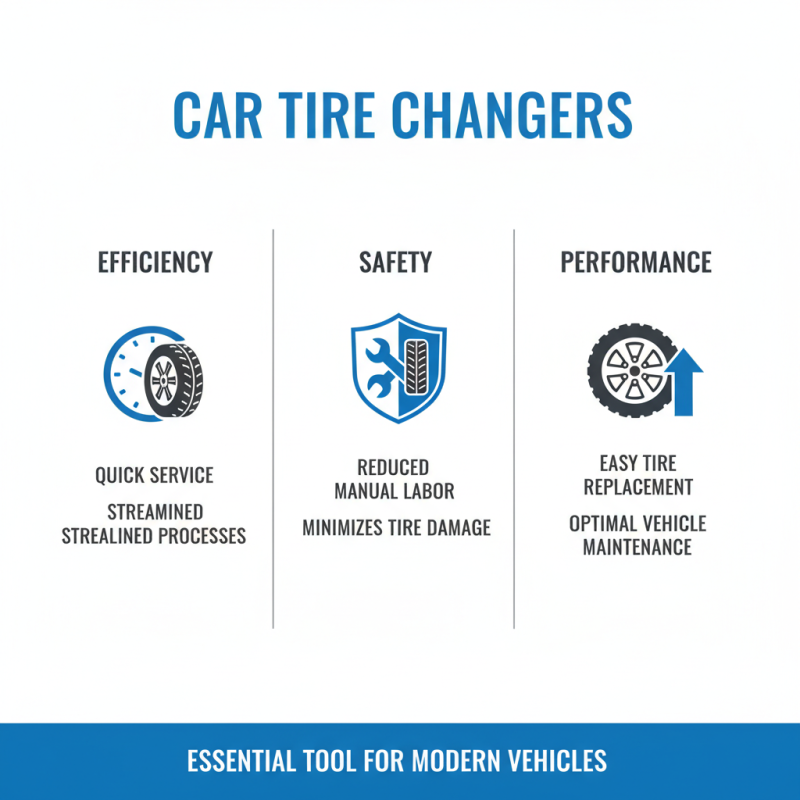
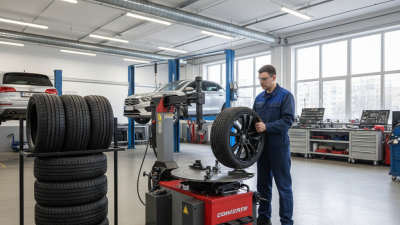
Car tire changers are essential tools that facilitate the process of replacing and repairing tires efficiently and safely. With the increasing complexity of modern tires and the growing need for quick service in both professional and personal settings, having the right tire changer can significantly impact the overall maintenance of a vehicle. These machines streamline the tire removal and installation process, reducing manual labor and minimizing the risk of tire damage.
In addition to enhancing efficiency, tire changers also improve safety in tire servicing. Manual tire changing can pose risks, such as improper installation leading to blowouts or accidents on the road. By utilizing advanced tire changers, technicians can ensure that tires are mounted correctly and balanced accurately, promoting safer vehicles for drivers. Ultimately, investing in a reliable tire changer not only saves time but also contributes to the longevity of the tires, making it a vital asset for anyone involved in tire maintenance or automotive service.
Key Features to Consider When Choosing a Tire Changer
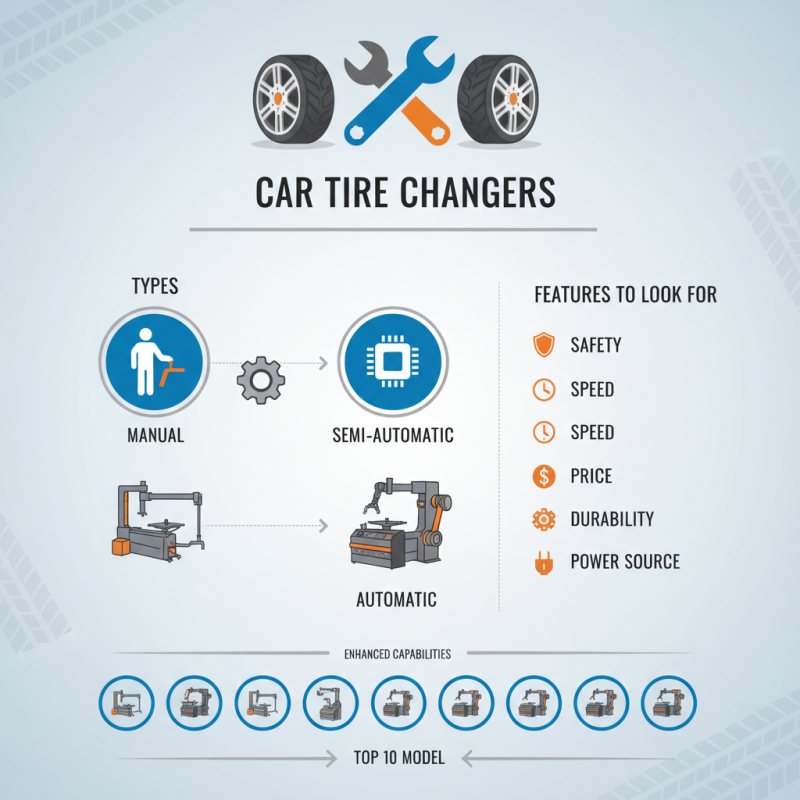
When choosing a tire changer, several key features should be carefully evaluated to ensure that the machine meets your specific needs. One of the primary considerations is the type of tire changer, as different models cater to different tire sizes and types. For instance, if you primarily work with standard passenger vehicles, a manual or semi-automatic tire changer may suffice. However, for those dealing with larger vehicles or specialty tires, investing in an automatic model equipped with advanced capabilities would be beneficial.
Another essential aspect to consider is the machine's construction and durability. A robust tire changer made from high-quality materials can withstand the rigors of frequent use, reducing maintenance costs and minimizing downtime. Additionally, look for features such as a built-in bead breaker, adjustable arms, and user-friendly controls, as these can enhance efficiency and ease of operation. Finally, ensure that the tire changer can accommodate a variety of rim sizes, as versatility is crucial for professionals who handle different vehicle types.
Top 10 Car Tire Changers: Finding the Best Options for Your Needs
| Model |
Type |
Weight Capacity |
Motor Power |
Speed |
Price Range |
| Model A |
Manual |
1500 lbs |
1 HP |
12 RPM |
$150 - $200 |
| Model B |
Semi-Automatic |
2000 lbs |
2 HP |
15 RPM |
$300 - $400 |
| Model C |
Fully Automatic |
2500 lbs |
3 HP |
18 RPM |
$500 - $700 |
| Model D |
Manual |
1800 lbs |
1.5 HP |
10 RPM |
$100 - $150 |
| Model E |
Semi-Automatic |
2200 lbs |
2.5 HP |
14 RPM |
$400 - $600 |
| Model F |
Fully Automatic |
3000 lbs |
4 HP |
20 RPM |
$800 - $1200 |
| Model G |
Manual |
1600 lbs |
1.2 HP |
8 RPM |
$80 - $120 |
| Model H |
Semi-Automatic |
2400 lbs |
3 HP |
16 RPM |
$600 - $900 |
| Model I |
Fully Automatic |
3200 lbs |
5 HP |
22 RPM |
$1000 - $1500 |
| Model J |
Manual |
1900 lbs |
1.75 HP |
11 RPM |
$120 - $180 |
Top 10 Car Tire Changers Reviewed: Performance and Reliability
When selecting a car tire changer, performance and reliability are paramount. According to industry reports, the market for tire changers is projected to grow significantly, reaching a value of approximately $818 million by 2026. This growth is driven by the increasing need for efficient tire maintenance in both commercial and residential sectors. A reliable tire changer not only enhances productivity but also minimizes the risk of damaging tires during the changing process.
Performance metrics such as speed, ease of use, and compatibility with various tire sizes are critical factors to consider. Data from the Automotive Equipment Market Analysis suggests that automatic tire changers can reduce the time spent on tire installation and removal by up to 50% compared to manual options. Furthermore, tire changers equipped with advanced features like touchless technology can prevent rim damage, thus increasing the longevity of both the tire and the wheel. Users should also evaluate safety features, as reports indicate that improper use of tire changers can lead to accidents, making safety a top priority in the selection process.
Comparative Analysis of Tire Changer Brands and Models
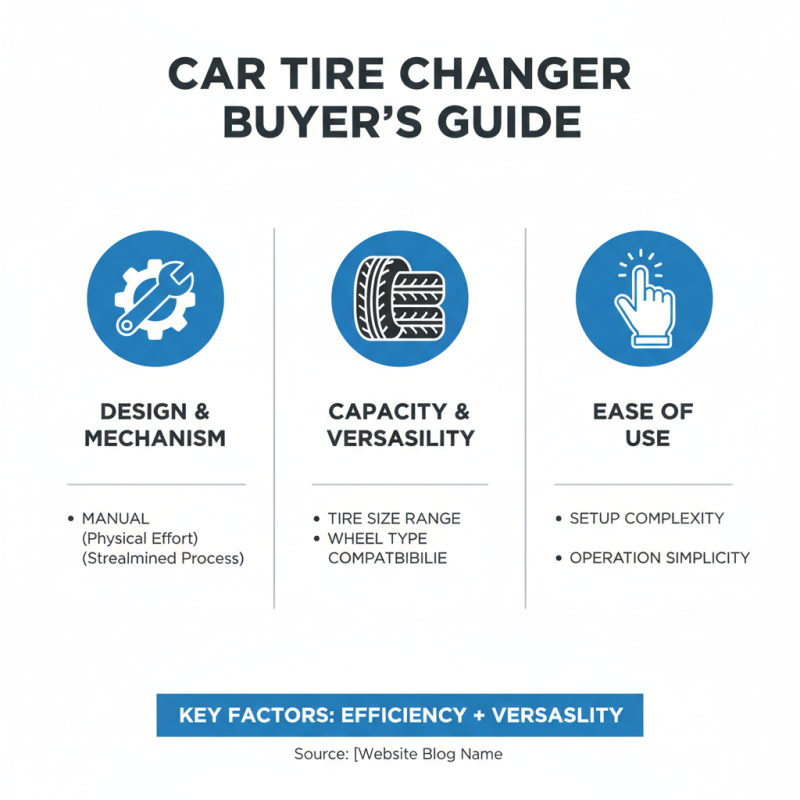
When selecting a car tire changer, a comparative analysis of different brands and models reveals crucial distinctions that cater to varied needs. Key factors to consider include the machine's design, capacity, and ease of use. Tire changers can range from manual systems requiring significant physical effort to advanced, fully automatic machines that streamline the process. An effective tire changer should balance efficiency with the ability to handle different tire sizes, ensuring versatility in automotive service settings.
Another important aspect is the build quality and durability of the equipment. Tire changers that utilize high-quality materials tend to offer longer lifespans and require less maintenance. Additionally, features such as speed settings and adjustable arms can considerably enhance performance, making the task less time-consuming and reducing the risk of tire damage. A side-by-side comparison of tire changers offers insights into user experiences and professional feedback, helping potential buyers make informed decisions based on their specific requirements and budget constraints.
Maintenance Tips for Prolonging the Life of Your Tire Changer
To prolong the life of your tire changer and ensure optimal performance, regular maintenance is essential. One of the simplest yet effective tips is to keep the machine clean. Make it a routine to remove debris, dirt, and tire remnants from the equipment after each use. This prevents buildup that can affect functionalities and cause premature wear. A clean tire changer also allows you to easily spot any issues that may arise, enabling timely repairs.
Another vital aspect of maintenance is lubrication. Regularly check and apply appropriate lubricants to moving parts, such as the pivot points and hydraulic systems. This reduces friction and helps maintain smooth operation, which not only enhances performance but also extends the lifespan of the components. Always refer to your tire changer’s manual to identify the recommended lubricants and intervals for this essential task.
Lastly, ensure that you periodically inspect the tire changer for any signs of wear or damage. Pay attention to the clamps, arms, and spinning components, as these are critical for performance. Catching potential issues early can prevent more significant repairs down the line and keep your tire changer running efficiently for years to come. By implementing these maintenance tips, you can enjoy reliable service and maximize the value of your investment.
Top 10 Car Tire Changers - Performance Comparison