What is a Scissor Car Jack and How Does It Work?
A Scissor Car Jack is a vital tool for drivers and mechanics alike. Understanding its design and function can enhance your vehicle maintenance skills. This simple yet effective device lifts cars for tire changes or repairs, showcasing both practicality and engineering.
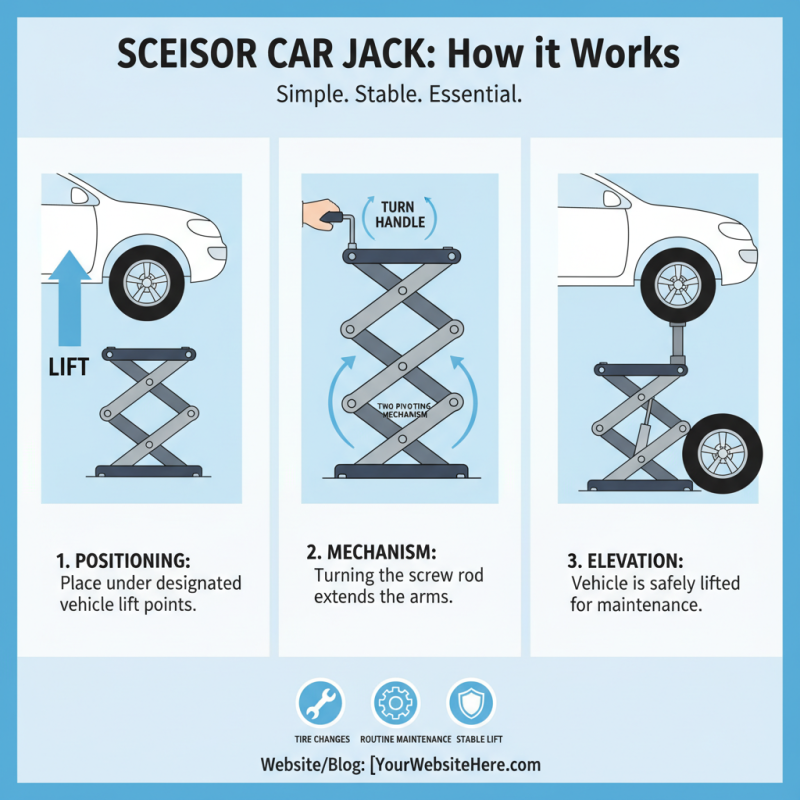
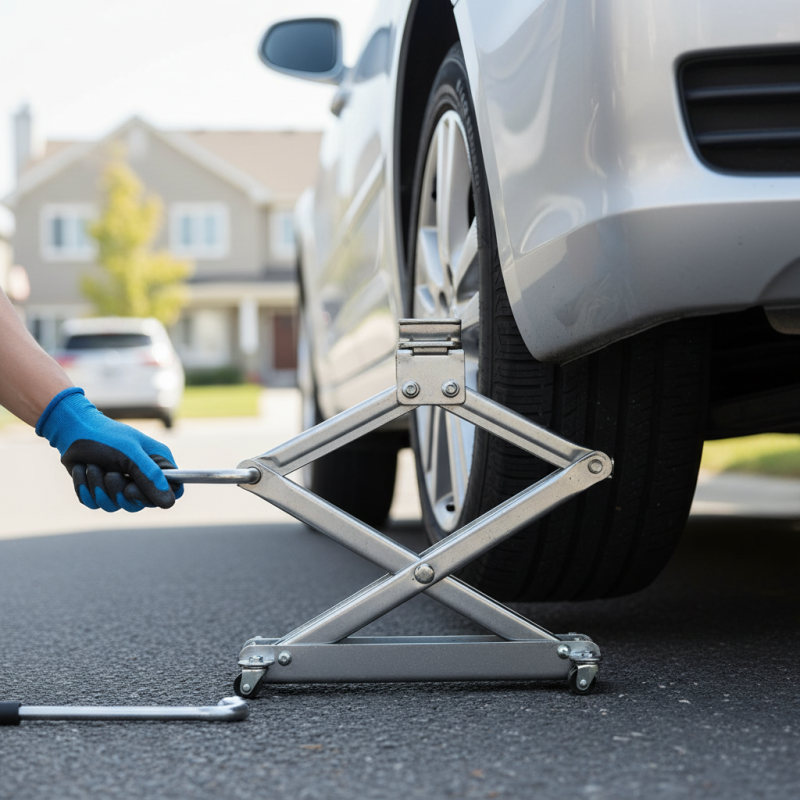
The Scissor Car Jack operates using a compact and folding mechanism. It consists of two arms that connect at a pivot point. As you turn the handle, the arms scissor apart, raising the jack. The stability of the design makes it a reliable option for emergency situations. However, improper use can lead to accidents, emphasizing the need for careful handling.
Many users appreciate the lightweight nature of the Scissor Car Jack, making it easy to store in vehicles. Yet, its limited lifting height may not suit all situations. Understanding the limitations of this tool fosters better decision-making during roadside emergencies. Engage with best practices to ensure safety and efficiency when using a Scissor Car Jack.
What is a Scissor Car Jack?
A scissor car jack is a tool designed for lifting vehicles, commonly used during tire changes or routine maintenance. Its name comes from the scissor-like mechanism it employs to elevate a car. This design features two arms that pivot at a central point. When the handle turns, the two arms move in opposite directions, creating a solid and stable lift. The simple structure makes it easy to understand and use.
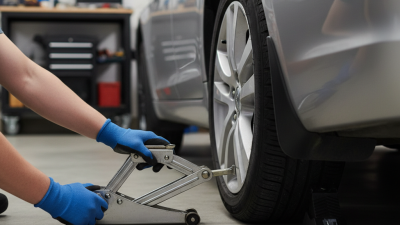
Using a scissor car jack requires some caution. While it is effective for small vehicles, it may struggle with larger ones. Positioning is critical; incorrect placement could lead to instability. It's essential to support the vehicle on a flat surface. The weight distribution can affect the performance of the jack. Keep in mind that scissor jacks often need manual effort, which may vary based on user strength.
Safety is paramount when handling a scissor jack. Always ensure the vehicle is in gear or has a parking brake engaged. Many users overlook this step, which can lead to serious accidents. Regular inspection of the jack is crucial. Check for rust or mechanical failures every few uses. This vigilant approach builds reliability and enhances overall safety during vehicle maintenance.
The Design and Components of a Scissor Car Jack
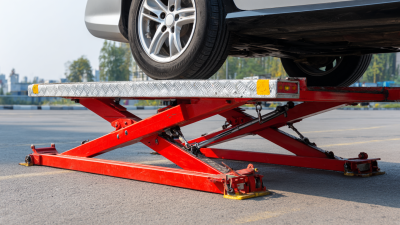
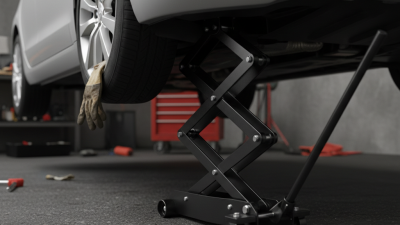
A scissor car jack is a mechanical device designed to lift vehicles for maintenance or tire changes. Its design incorporates a few key components. At its core, the jack consists of two crossed arms that bear the weight of the car, attached to a central pivot. This pivot mechanism enables the arms to move up and down scissor-like. The simple yet effective design provides stability during lifting, which is crucial for safety.
According to industry reports, scissor jacks can typically lift vehicles to heights ranging from 10 to 15 inches. This range makes them suitable for many cars, but not all. It's worth noting that the lifting capacity usually varies, with most jacks rated between 1.5 to 3 tons. While scissor jacks are generally reliable, they have limitations. Some users find them challenging to operate on uneven ground, and improper use can lead to accidents.
Moreover, routine maintenance is essential for longevity. Lubricating the joints and checking for rust are crucial steps often overlooked by users. When neglected, these factors can compromise the jack’s efficiency. Reliability varies considerably among users, especially when optimal operating conditions are not met. The maintenance of a scissor car jack reflects the importance of safety and preparation in automotive care.
How a Scissor Car Jack Operates: Step-by-Step Mechanism
A scissor car jack is a compact tool often used for lifting vehicles. It operates by a mechanical advantage system that relies on a series of connected arms. When you turn the handle, the arms pivot, causing the top of the jack to rise. This mechanism allows you to lift the vehicle with minimal effort and stability.
Understanding its operation can prevent mishaps. The scissor jack uses a screw thread that converts rotational movement into vertical lifting. According to the Society of Automotive Engineers, this type of jack can lift a load of around 3,000 to 6,000 pounds. This is sufficient for most cars and small trucks. However, if improperly used, it can be unstable, leading to accidents.
Safety considerations are crucial. Position the jack on a flat surface to avoid slipping. Always ensure the jack is fully secure before working underneath the vehicle. On average, 2.5% of jack-related accidents occur from improper handling, highlighting the importance of following guidelines closely. The reliability of a scissor jack heavily depends on its construction materials. High-quality steel models tend to be more stable than plastic or aluminum alternatives.
Scissor Car Jack Operational Efficiency
Advantages of Using a Scissor Car Jack
A scissor car jack is a compact lifting tool commonly used for elevating vehicles. One major advantage of using a scissor car jack is its design, which allows for easy storage. When not in use, it can fit into small spaces, making it ideal for those with limited trunk space. The lightweight nature of this jack also makes it portable. Users can carry it without much effort.
Another significant benefit is its stability. The scissor mechanism provides a secure lift, distributing weight evenly. This feature minimizes the risk of tipping over while changing a tire. Many find this aspect reassuring, especially during roadside emergencies. However, improper placement can still lead to accidents. Always ensure the jack is on stable ground.
Furthermore, scissor jacks are usually more affordable than hydraulic lifts. Their simple construction means lower manufacturing costs, passing savings onto users. Yet, this simplicity comes with limitations. Scissor jacks require manual cranking, which may be labor-intensive for heavy vehicles. Consider these factors before making a purchase. A scissor car jack can be helpful, but understanding its pros and cons is crucial for safe use.
What is a Scissor Car Jack and How Does It Work? - Advantages of Using a Scissor Car Jack
| Feature |
Description |
Advantages |
| Design |
Compact, X-shaped mechanism that rises vertically. |
Space-efficient and easy to store in the vehicle. |
| Capacity |
Typically lifts weights between 1.5 to 3 tons. |
Suitable for a wide range of passenger vehicles and small trucks. |
| Operation |
Operated manually using a crank or handle. |
No need for an external power source, making it reliable. |
| Safety |
Designed with safety features such as overload protection. |
Reduces risk of accidents during operation. |
| Weight |
Lightweight and portable. |
Easy to carry and handle for repairs on the go. |
| Cost |
Inexpensive compared to other types of jacks. |
Affordable option for car maintenance and emergency situations. |
Safety Precautions When Using a Scissor Car Jack
When using a scissor car jack, safety should be a top priority. Scissor jacks are simple yet effective tools for lifting vehicles, but improper use can lead to accidents. According to the National Highway Traffic Safety Administration, improper handling of lifting equipment contributes to thousands of injuries each year. It's crucial to check the weight capacity of the jack, as many models cannot lift heavier vehicles, including vans and SUVs.
Before starting, ensure the vehicle is on a level surface. This reduces the risk of the jack slipping or tipping over. Additionally, use wheel chocks to secure the wheels that remain on the ground. This precaution is often overlooked but critical for stability. A recent report by the Automotive Lift Institute noted that 30% of car jack accidents occur due to inadequate wheel chocking.
While operating the jack, never place any part of your body under the vehicle unless it is securely supported by jack stands. Many people assume a scissor jack is adequate for prolonged support; this is a dangerous misconception. An estimated 20% of injuries result from people working underneath a vehicle supported only by a jack. Awareness and proper technique are vital for safe operations.