Ultimate Guide to Mid-Rise Scissor Lift Benefits and Uses?
In the realm of aerial lift equipment, the Mid-Rise Scissor Lift stands out for its versatility and efficiency. According to John Smith, a leading expert in the industry, "The Mid-Rise Scissor Lift is redefining how we approach height work." This equipment serves as a bridge for various applications, from construction projects to maintenance tasks.
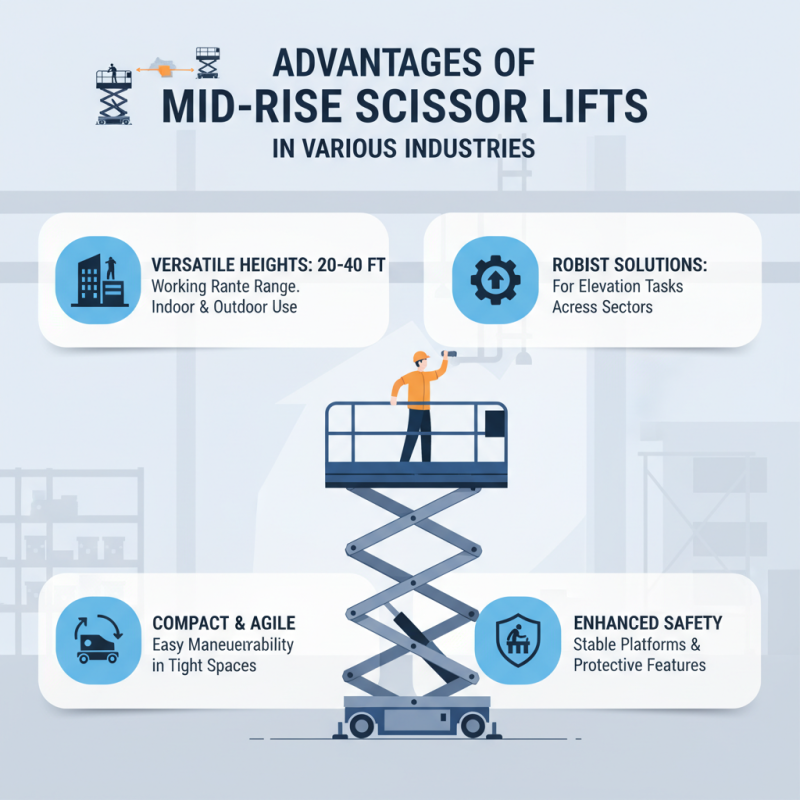
These lifts can reach impressive heights while maintaining stability. Operators appreciate their ability to maneuver easily in tight spaces. Many users highlight their reliability and safety features. However, it is essential to understand that not all models are created equal. Some may have performance limitations that could hinder operational efficiency.
Investing in the right Mid-Rise Scissor Lift can greatly enhance productivity. It is crucial to assess both the tasks at hand and the lift's specifications. Understanding these factors will ensure that operators select the best equipment for their needs. The advantages of using a Mid-Rise Scissor Lift are clear, but informed choices are key to maximizing its potential.
Understanding Mid-Rise Scissor Lifts: An Overview of Key Features
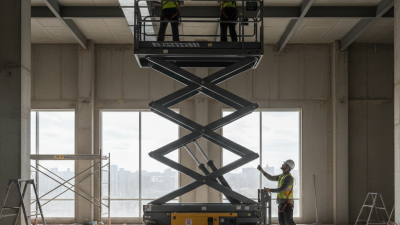
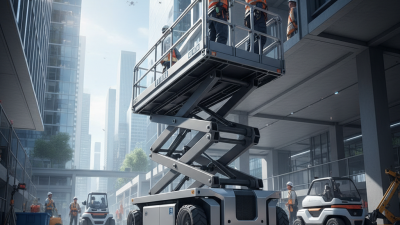
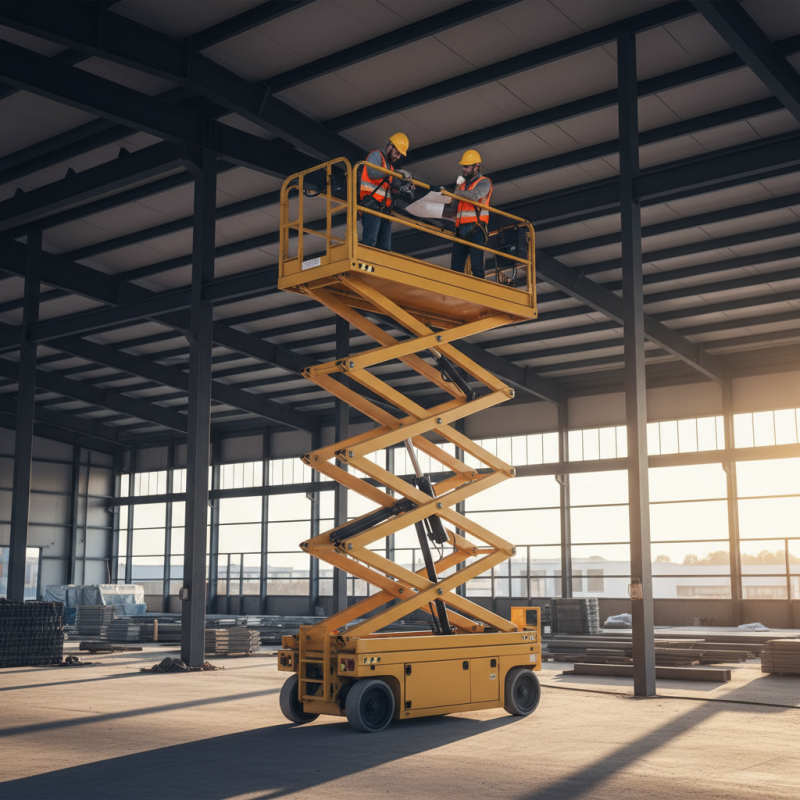
Mid-rise scissor lifts have become essential in various industries. Their compact design allows them to fit in tight spaces while offering a substantial reach. Typically, these lifts can extend between 10 to 30 feet high. This height makes them ideal for tasks such as maintenance, construction, and warehousing.
The key features of mid-rise scissor lifts include a stable platform and a robust lifting mechanism. Operators can work safely at significant heights without compromising stability. Many models come equipped with safety features like guardrails and emergency lowering systems. These enhancements improve reliability during operation. However, users should regularly inspect and maintain these features to ensure safe usage.
Despite their advantages, mid-rise scissor lifts have limitations. They might not be suitable for uneven ground without proper safety measures. Training is crucial for operators to handle the equipment effectively. Some may overlook the importance of understanding weight capacity. Overloading can lead to accidents, which are easily preventable. Awareness of these details fosters a safer working environment.
Safety Standards and Compliance for Mid-Rise Scissor Lift Usage
Mid-rise scissor lifts are invaluable tools in many work environments. However, their safe operation relies heavily on adherence to safety standards and regulations. Compliance with industry guidelines ensures user safety while maximizing operational efficiency.
Safety standards for mid-rise scissor lifts encompass several key areas. Operators must wear appropriate personal protective equipment (PPE) like helmets and harnesses. Regular inspections of the lift are essential. This prevents mechanical failures that could lead to accidents. Training for operators is also crucial. Many workers underestimate the importance of understanding the lift's controls and safety features.
In addition, the surface where the lift operates must be scrutinized. It needs to be stable and capable of supporting the lift's weight. Users should be mindful of their surroundings. Overhead hazards can pose significant risks. Failure to observe these guidelines reflects a lack of commitment to safety. Overall, a mindful approach to compliance is pivotal in preventing mishaps.
Benefits of Mid-Rise Scissor Lifts
Cost-Effectiveness: Evaluating Operational Efficiency of Scissor Lifts
Mid-rise scissor lifts offer impressive operational efficiency, making them a popular choice for various tasks. Their design allows for quick vertical access, enhancing productivity. Multiple industries utilize these lifts, from construction to warehouse management. With a working height typically between 20 to 40 feet, they are ideal for indoor and outdoor projects.
Cost-effectiveness is a critical factor when evaluating scissor lifts. They reduce the need for scaffolding, saving both time and money. Operators can complete tasks faster, streamlining workflow. However, it’s vital to consider maintenance costs as well. Regular upkeep ensures optimal performance but can add to overall expenses. Operators need to balance these factors to maximize efficiency.
Challenges do arise with mid-rise scissor lifts. Terrain can affect stability, especially on uneven surfaces. Training operators thoroughly is essential for safety. Potential accidents can lead to increased costs and downtime. Evaluating these risks is crucial for effective decision-making. By understanding both benefits and challenges, businesses can make informed choices regarding scissor lift investment.
Ultimate Guide to Mid-Rise Scissor Lift Benefits and Uses - Cost-Effectiveness: Evaluating Operational Efficiency of Scissor Lifts
| Feature |
Details |
Cost-Effectiveness |
Operational Efficiency |
| Max Working Height |
Up to 30 ft |
Reduces need for ladders |
Improves safety and productivity |
| Load Capacity |
Up to 1000 lbs |
Handles heavy materials |
Minimizes labor costs |
| Mobility |
Compact design for tight spaces |
Easy to transport |
Enhances workflow efficiency |
| Power Source |
Electric or diesel options |
Lower operation costs with electric |
Reliable operation in varied environments |
| Maintenance |
Low maintenance needs |
Saves costs on upkeep |
Maximizes uptime |
Maintenance Practices for Ensuring Longevity of Scissor Lifts
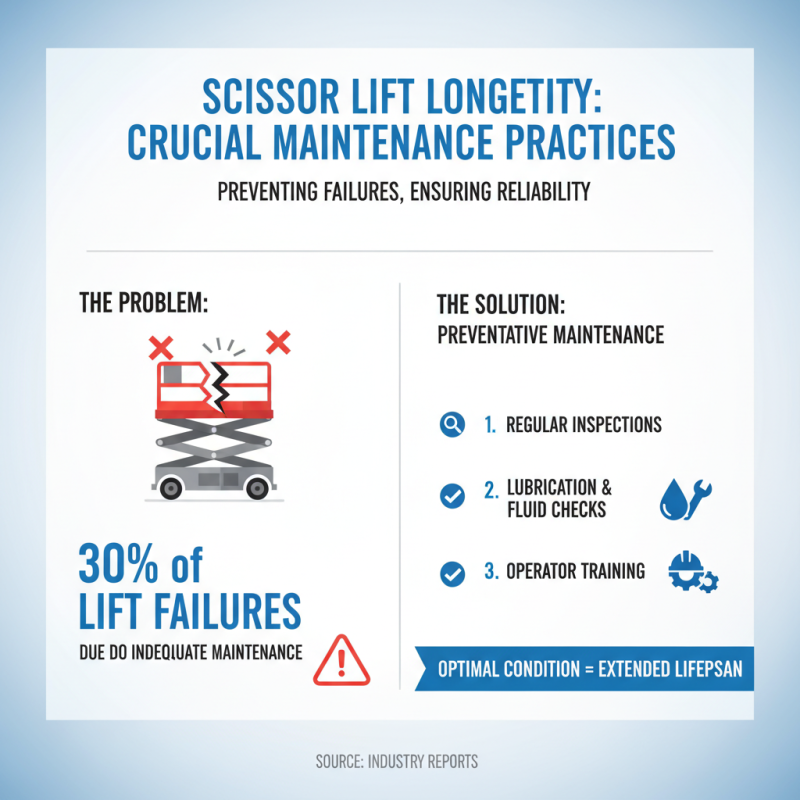
To keep scissor lifts in optimal condition, regular maintenance is crucial. According to industry reports, roughly 30% of lift failures occur due to inadequate maintenance. This statistic underscores the need for operators to adopt preventive measures.
Daily inspections should focus on key components. Check for hydraulic leaks and battery charge levels. Visual inspections can identify wear and tear early, reducing the risk of accidents. Lubricating moving parts is essential, promoting smooth operation and extending life cycles.
Implementing a scheduled maintenance routine is effective. Many experts recommend monthly checks for small equipment and quarterly for larger models. Data shows that routine upkeep can increase a machine’s lifespan by up to 50%. It can also improve safety performance, as well-maintained lifts are less likely to malfunction. Proper training for operators is vital. Even the best maintenance practices can falter if personnel are not well-informed. Engaging staff in maintenance protocols can foster a culture of safety and reliability.