How to Improve Your Vehicle Performance with Car Alignment and Balance?
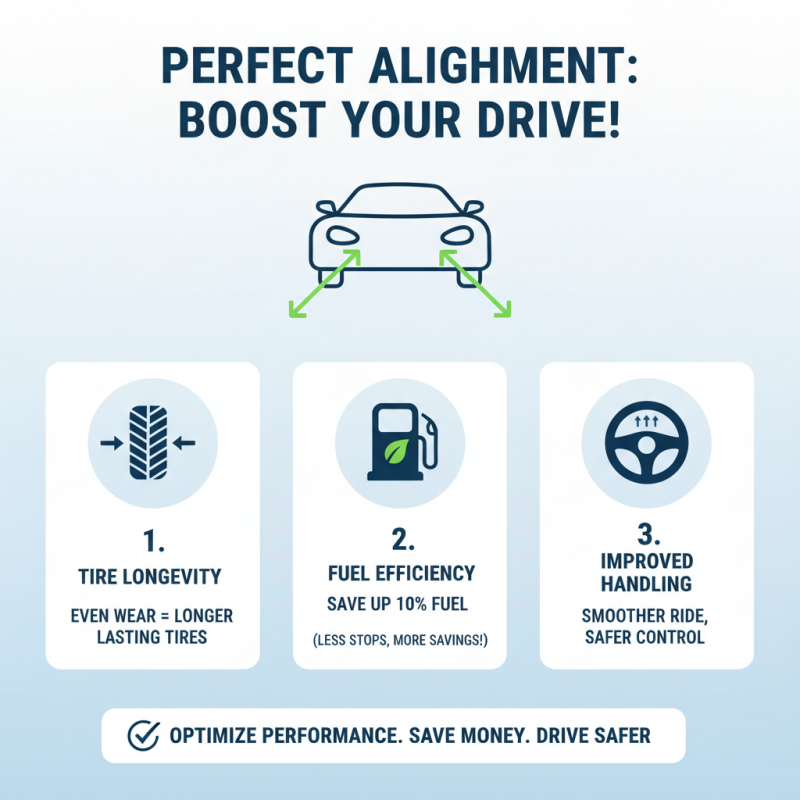
Car alignment and balance play crucial roles in vehicle performance. According to industry reports, misalignment can lead to uneven tire wear, affecting handling and safety. Nearly 70% of drivers experience misalignment issues at some point. This not only compromises vehicle stability but also reduces fuel efficiency.
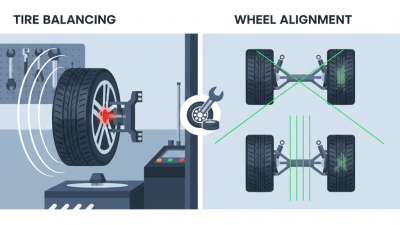
Proper car alignment ensures that your wheels are set to the optimum angle, allowing for better tire contact. A well-balanced vehicle enhances steering responsiveness. However, many drivers overlook these factors. They may not realize that a simple adjustment can significantly improve their driving experience. Regular checks can prevent more serious issues down the line, such as costly repairs.
Maintaining car alignment and balance requires diligence. It's common for drivers to delay proper alignment checks, thinking it can wait. Yet, neglect can create lasting consequences. By prioritizing these adjustments, drivers can not only enhance vehicle performance but also ensure safer journeys. Understanding these basics is vital for every vehicle owner.
Understanding Vehicle Performance and the Importance of Alignment
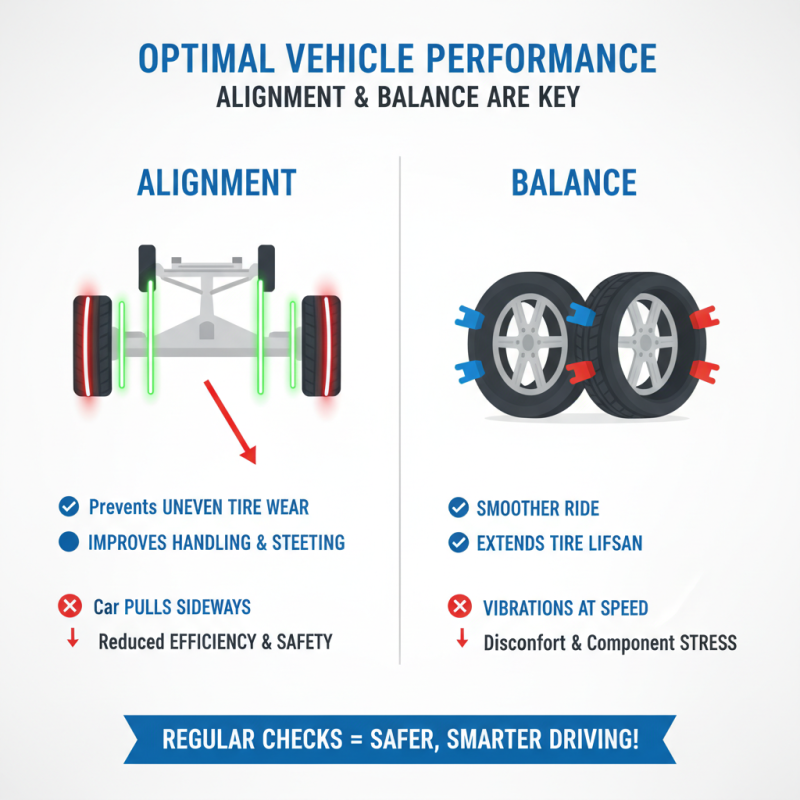
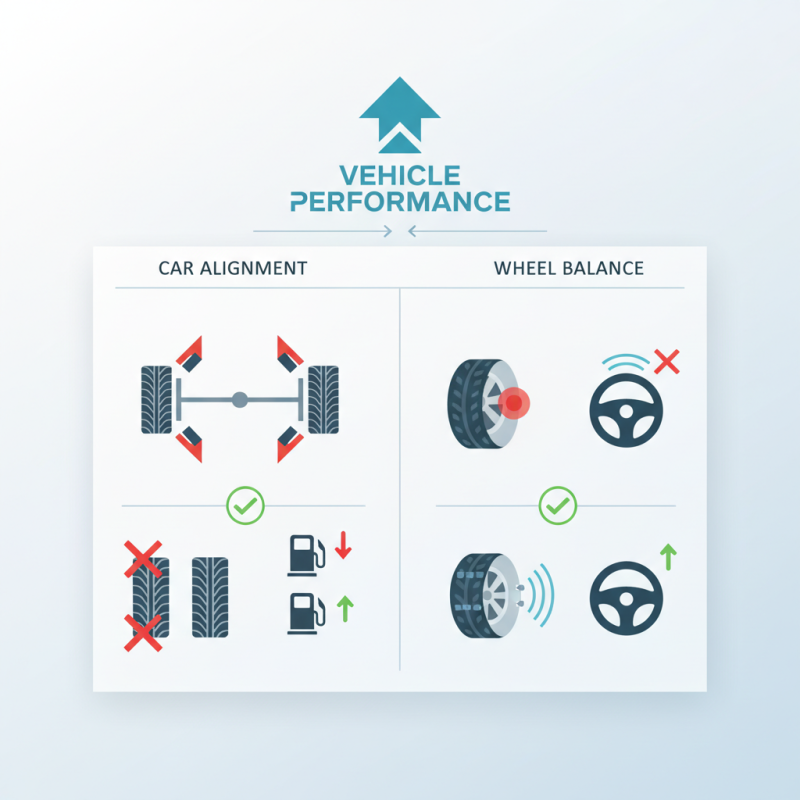
Vehicle performance greatly depends on proper alignment and balance. Misalignment can lead to uneven tire wear and affect handling. When tires do not point in the same direction, the car can pull to one side. This not only reduces efficiency but can also compromise safety. Regular checks are essential for maintaining optimal performance.
Here are some tips to enhance your vehicle’s alignment. First, check tire pressure regularly. This small step ensures even wear and better fuel efficiency. Next, avoid potholes and rough roads when possible. If you hit a bump, consider an alignment check. It's better to be safe than sorry.
The balance of your tires is equally important. Unbalanced tires can cause vibrations and strain on suspension. Rotate your tires every 5,000 miles. This can help maintain balance and prolong tire life. Remember, driving habits matter too. Aggressive acceleration or hard braking can wear your tires unevenly. Reflect on your driving style to see if improvements are needed.
What is Car Alignment and Why Does It Matter for Performance?
Car alignment plays a crucial role in vehicle performance. This process ensures that all four wheels are aligned properly. When misalignment occurs, it can lead to uneven tire wear, affecting how the vehicle handles. According to the Car Care Council, misalignment can reduce fuel efficiency by up to 10 percent. This loss can accumulate over time, costing drivers unnecessarily.
Improper alignment can also impact safety and comfort. Drivers might notice their car pulling to one side or vibrations in the steering wheel. A study from the National Highway Traffic Safety Administration indicates that 10% of all accidents are due to vehicle handling issues linked to poor alignment. Regular checks can help maintain optimal performance and improve overall driving experience. However, many drivers overlook this necessity until problems arise.
Proper alignment not only enhances handling but also prolongs the life of tires and suspension components. Many experts recommend having a vehicle aligned at least once a year or whenever new tires are installed. Ignoring this important aspect can lead to costly repairs down the road. Regular maintenance can prevent these issues, ensuring a smoother ride and safer driving experience.
The Role of Tire Balancing in Enhancing Vehicle Stability
Tire balancing is crucial for optimal vehicle stability. Unbalanced tires lead to uneven wear. According to a report from the Tire and Rim Association, improper tire balance can reduce tire life by up to 20%. This is significant when you consider the cost of replacement tires. Regular balancing will minimize this expense and enhance safety on the road.
When tires are not balanced, vehicles can vibrate, which affects handling. A study by the American Automobile Association found that vibration can impair driver control. Moreover, a vehicle with unbalanced tires uses more fuel, diminishing overall efficiency. Drivers might notice a decline in performance and comfort. It’s essential to check the balance every 5,000 miles to maintain vehicle health.
Neglecting this aspect can lead to serious issues. Some drivers may ignore tire maintenance, resulting in hazardous conditions. Balancing is a simple solution that can have profound benefits. Investing time in regular checks is worthwhile. Balancing your tires contributes significantly to your vehicle’s overall performance and long-term reliability. It’s an easy task that ensures peace of mind on every drive.
How to Improve Your Vehicle Performance with Car Alignment and Balance? - The Role of Tire Balancing in Enhancing Vehicle Stability
| Aspect |
Impact on Vehicle Performance |
Recommended Frequency |
| Tire Balance |
Reduces vibration, enhances ride comfort, extends tire life. |
Every 5,000 - 7,500 miles or if tires are replaced. |
| Wheel Alignment |
Ensures tires contact the road evenly, improves fuel efficiency. |
Every 6 months or whenever you notice uneven tire wear. |
| Suspension Check |
Improves stability, handling, and safety of the vehicle. |
Annually or as specified in manufacturer guidelines. |
| Tire Pressure Monitoring |
Enhances fuel efficiency and ensures optimal tire performance. |
Monthly checks recommended. |
Signs Your Vehicle Needs Alignment and Balancing Adjustments
When driving, it's crucial to notice hints your vehicle gives you. If your car pulls to one side, it may need an alignment. Uneven tire wear is another sign; you might see flat spots or more wear on one side. These issues not only affect performance but also safety. Listening to these signs can save you from more significant problems later on.
Another indicator is if your steering wheel is off-center. If it doesn't sit straight when driving, that's a clear warning. Vibrations while driving can also point to imbalance. Unusual noises from the tires can be loud and disruptive. These signals often go ignored, leading to more extensive damage. Regular checks help catch these issues early.
Taking the time to assess your vehicle might seem tedious, but it is essential. Keeping an eye on these signs can lead to better handling and improved tire life. Sometimes it takes a bit of effort and reflection, but it is worth ensuring your car runs smoothly.
Steps to Properly Align and Balance Your Vehicle for Optimal Performance
Proper alignment and balance of your vehicle significantly enhance its performance. Misalignment can lead to uneven tire wear, reduced fuel efficiency, and poor handling. Reports suggest that a misaligned vehicle can decrease fuel economy by up to 10%. This means a direct hit to your wallet every time you fill up. Ensuring your wheels are aligned will not only optimize your driving experience but also prolong the life of your tires.
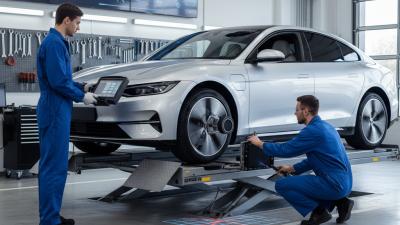
To align your vehicle correctly, start by inspecting the tire pressure. Under-inflated tires can exacerbate misalignment issues. It’s recommended that tires be regularly checked and maintained at the manufacturer’s specified pressure. Following that, a professional alignment service is vital. Many facilities utilize advanced technology to measure angles with precision. However, the process can be overlooked due to costs, leading to ongoing performance issues.
Balancing your tires is equally important. An unbalanced tire can cause vibrations at high speeds, affecting comfort and control. Studies indicate that an unbalanced tire can lead to excessive wear on suspension components. Regularly scheduled inspections can catch these issues early. Ignoring signs of imbalance, such as uneven wear patterns or vibrations, can worsen the situation and create additional repair needs. Taking proactive steps in alignment and balance is essential for a safe and efficient vehicle.