Why Is Tire Balance and Alignment Important for Your Vehicle?
Proper tire balance and alignment are crucial for optimal vehicle performance. According to Dr. Mark Stevens, a leading expert in the automotive industry, “Neglecting tire balance and alignment can lead to uneven tire wear and poor handling.” This insight highlights the importance of maintaining your vehicle.
When tires are unbalanced, they create excessive vibrations. These can affect your comfort and control while driving. Misalignment can cause your vehicle to pull to one side. This not only compromises safety but also increases tire wear, leading to costly replacements.
Regular maintenance isn’t just an option; it's a necessity. Many drivers overlook this aspect until issues arise. This can result in unexpected expenses and safety risks. It's vital for vehicle longevity and performance to prioritize tire balance and alignment. After all, the condition of your tires significantly impacts your overall driving experience.
Importance of Tire Balance for Vehicle Performance
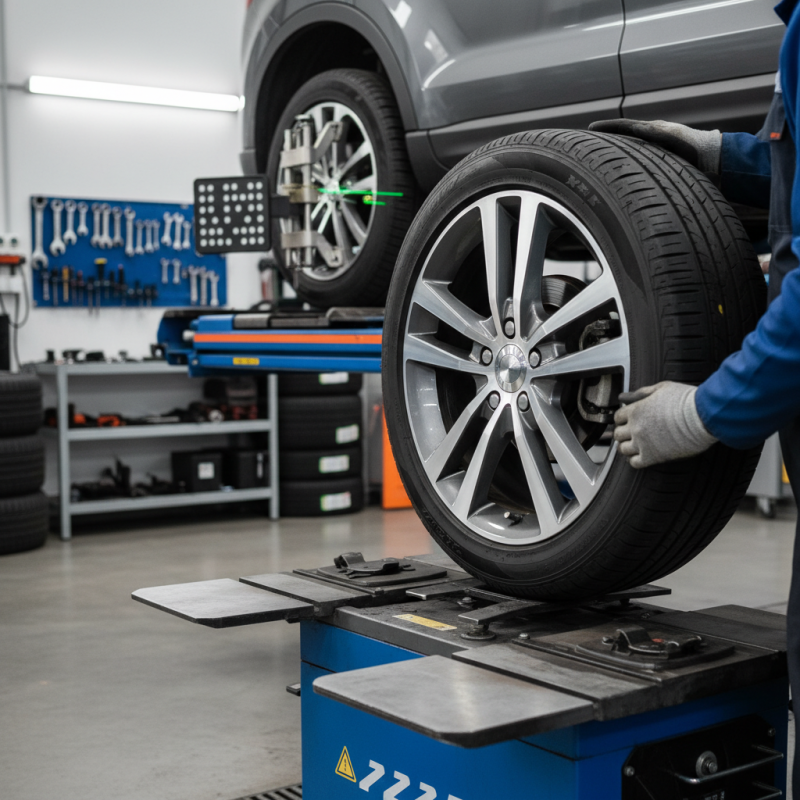
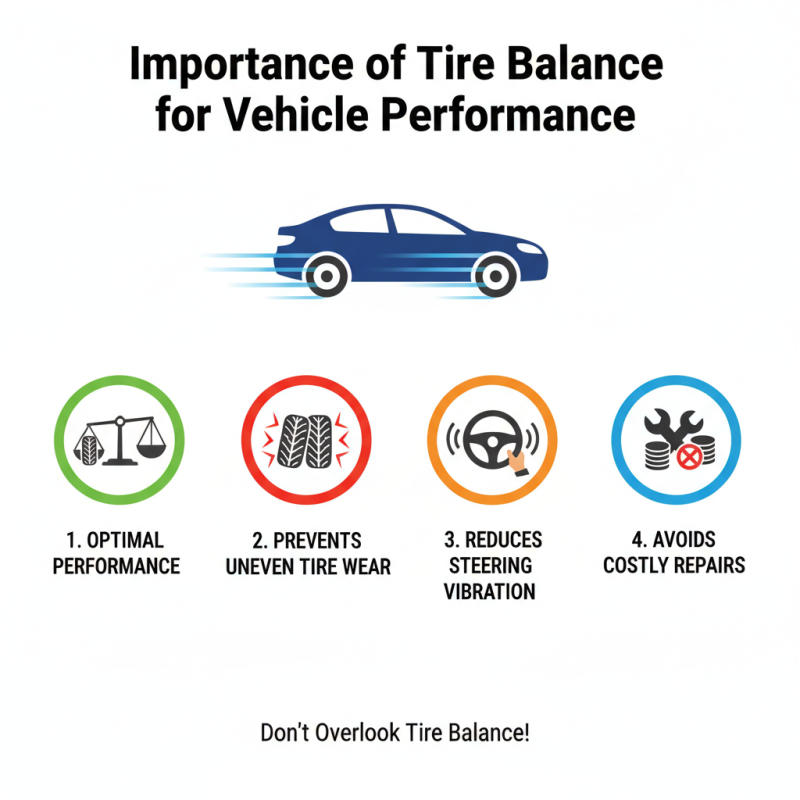
Proper tire balance is crucial for optimal vehicle performance. When tires are unbalanced, they can lead to uneven wear and tear. This can cause vibrations that are felt in the steering wheel. Drivers often overlook this detail, believing it to be minor. However, ignoring tire balance can result in costly repairs down the line.
Furthermore, tire balance impacts fuel efficiency. When tires are not equally balanced, it takes more energy to maintain speed. As a result, fuel consumption increases. That means you may find yourself at the gas station more often than necessary. Some may think they can delay a balance check, yet the implications can stretch beyond just fuel.
Alignment also plays a role here. Misalignment can cause uneven tire wear, which often pairs with balance issues. A simple trip to the mechanic may be neglected, but the effects compound over time. Maintaining balance is not just about comfort—it’s about safety as well. Remember, every ride matters.
Understanding Wheel Alignment and Its Impact on Driving
Wheel alignment is crucial for optimal driving. When your wheels are misaligned, it affects the vehicle's handling and stability. Uneven tire wear is a common issue linked to poor alignment. This can lead to costly replacements sooner than expected.
Tips: Check your tire pressure regularly. Low pressure can worsen alignment problems. Inspect tires for uneven wear patterns, too. If you notice bald spots on one side, it's time for a check-up.
Driving with misaligned wheels can make steering harder. You might feel your car pulling to one side. This distraction could lead to accidents. Maintaining proper alignment ensures smoother rides and better fuel efficiency.
Tips: Schedule routine alignments, especially after hitting potholes or curbs. Keeping your suspension components in good shape also contributes to better alignment. Listen to your vehicle; strange noises could indicate issues needing attention.
Impact of Proper Tire Balance and Alignment on Vehicle Performance
This bar chart illustrates the impact of proper tire balance and alignment on key aspects of vehicle performance. Each factor is rated on a scale from 1 to 10, showcasing the importance of maintaining your vehicle's tires for optimal driving experience.
Symptoms of Poor Tire Balance and Misalignment
Poor tire balance and misalignment can lead to various issues for your vehicle. One of the most noticeable symptoms is uneven tire wear. According to the Tire Industry Association, improperly balanced tires can cause a reduction in tread life by up to 30%. This can lead to costly premature replacements, putting a strain on your budget.
Another significant symptom is a
vibrating steering wheel, especially at higher speeds. This uncomfortable shaking often indicates that your tires are not aligned properly. The National Highway Traffic Safety Administration (NHTSA) states that misalignment can also affect handling. It may lead to a dangerous situation, especially in emergency maneuvers. Drivers might find their vehicle pulling to one side, which compromises safety.
In addition to physical symptoms, there are subtle warning signs. A noticeable decrease in fuel efficiency can occur. Studies show that misalignment can reduce fuel economy by up to
10%. This is a consequence of added friction between the tires and the road. Regular maintenance can prevent these issues. However, many drivers overlook this, leading to ongoing problems with their vehicle's performance.
Benefits of Regular Tire Maintenance and Inspections
Regular tire maintenance is critical for vehicle safety and performance. According to the Tire Industry Association, improper tire balance and alignment can reduce tire lifespan by up to 30%. This is a significant loss for any vehicle owner. Keeping tires aligned means they wear evenly, which helps in maximizing their lifespan.
Inspecting your tires regularly can also reveal hidden issues. For example, a tire with uneven wear may indicate alignment problems. Research has shown that 75% of all vehicles have some degree of misalignment. This not only affects handling but can also lead to costly repairs if left unchecked.
Tire pressure checks are equally important. A National Highway Traffic Safety Administration report states that 50% of drivers do not check their tire pressure regularly. Under-inflated tires can decrease fuel efficiency by as much as 3%. Moreover, they contribute to dangerous driving conditions. Regular maintenance is not just a good practice; it is essential for a safe driving experience.
Why Is Tire Balance and Alignment Important for Your Vehicle? - Benefits of Regular Tire Maintenance and Inspections
| Aspect |
Description |
Benefits |
| Tire Balance |
Ensures tires wear evenly and reduces vibration. |
Improves ride comfort and prolongs tire life. |
| Wheel Alignment |
Adjusts the angles of the wheels to be parallel with each other and perpendicular to the ground. |
Enhances handling, increases fuel efficiency, and reduces tire wear. |
| Regular Inspections |
Periodic checks of tire conditions, air pressure, and alignment settings. |
Identifies potential issues early, ensuring safety and cost savings. |
| Tire Rotation |
Changing the position of the tires on the vehicle. |
Promotes even tread wear and extends tire lifespan. |
| Safety |
Tires that are balanced and aligned contribute to safe vehicle operation. |
Reduces the risk of accidents caused by handling issues. |
How Tire Balance and Alignment Affect Fuel Efficiency
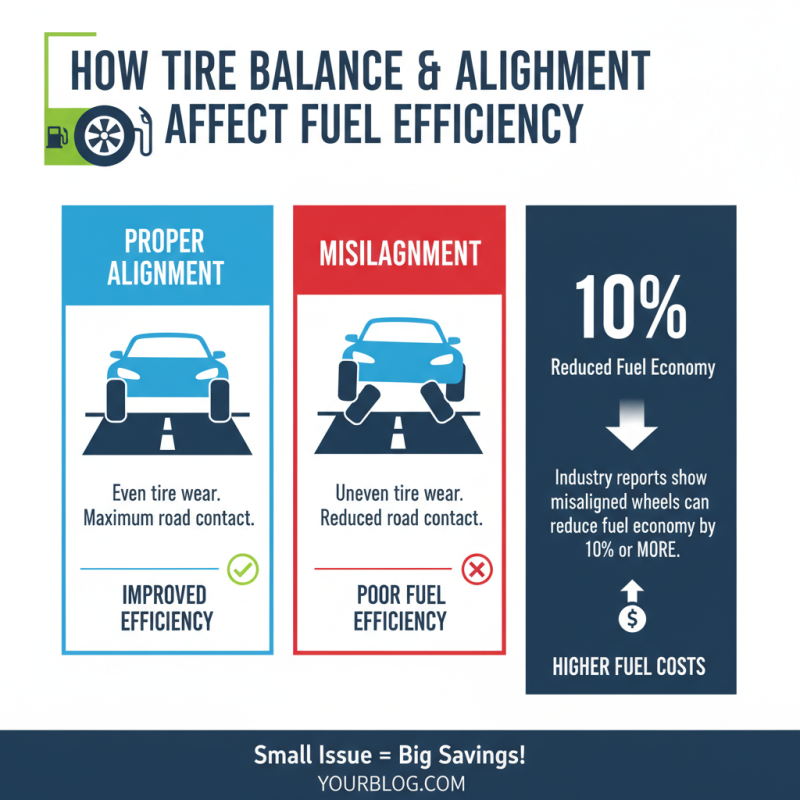
Tire balance and alignment play crucial roles in your vehicle’s performance. Proper alignment ensures that tires make contact with the road evenly. Misalignment can lead to uneven wear, which negatively impacts fuel efficiency. According to industry reports, a vehicle with misaligned wheels can reduce fuel economy by 10% or more. This means that a small issue can translate into higher fuel costs.
Tip: Schedule regular tire inspections. They can save you money in the long run.
When tires are out of balance, it creates vibrations that can affect handling. This can force the engine to work harder, further reducing your fuel efficiency. Studies show that balanced tires can improve gas mileage by up to 5%. These savings can really add up over time, especially for those who drive frequently.
Tip: Check tire pressure monthly. Properly inflated tires can enhance efficiency.
Ignoring tire balance and alignment can lead to costly repairs. The wear and tear from misaligned tires can affect other components. In the end, maintaining proper tire balance and alignment not only improves gas mileage but also extends the life of your tires.