Ultimate Guide to Choosing the Best Automobile Scissor Jack for Your Needs
When it comes to automotive maintenance and repair, having reliable tools is crucial for any car owner or enthusiast. Among these tools, the Automobile Scissor Jack stands out as a key instrument for safely lifting vehicles during tire changes, inspections, and repairs. Choosing the right scissor jack can be a daunting task, given the plethora of options available on the market. This ultimate guide aims to simplify the selection process, ensuring that you can find the best Automobile Scissor Jack tailored to your specific needs.
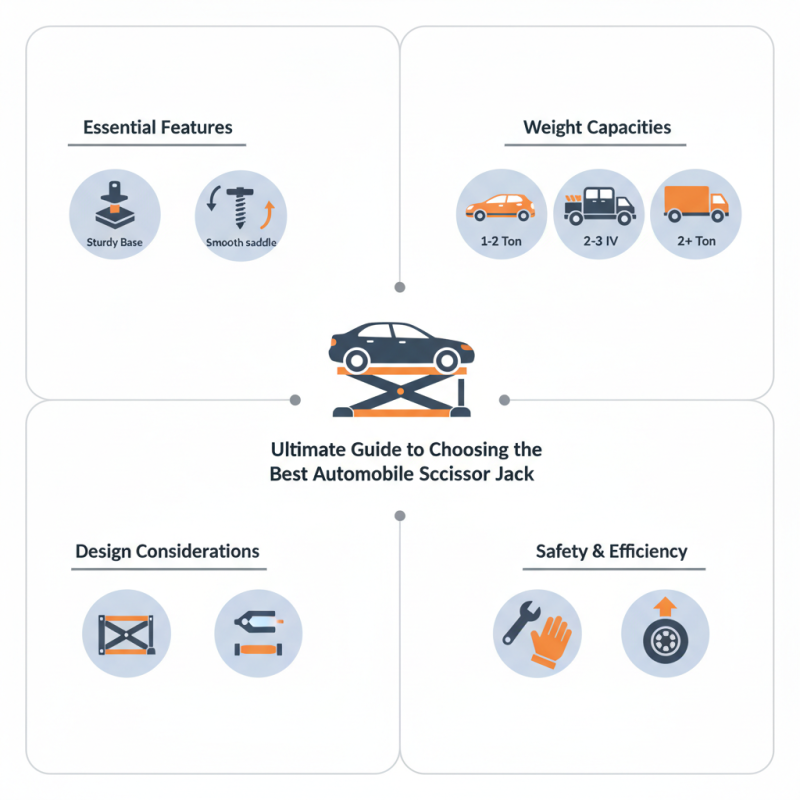
In this comprehensive exploration, we will delve into the essential features, weight capacities, and design considerations that are critical to the effective use of an Automobile Scissor Jack. Understanding these aspects will not only enhance your safety but also improve the efficiency of your automotive tasks. Whether you're a seasoned mechanic or a casual driver, investing time in selecting the appropriate scissor jack is a decision that can lead to significant long-term benefits and peace of mind while working on your vehicle. Join us as we navigate the key elements to consider, empowering you to make an informed choice that meets your needs and enhances your automotive experience.
Understanding the Functionality of Automobile Scissor Jacks
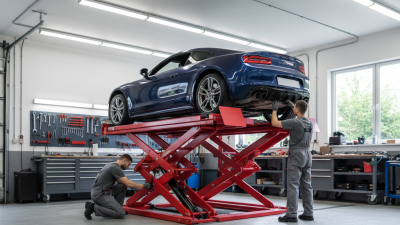
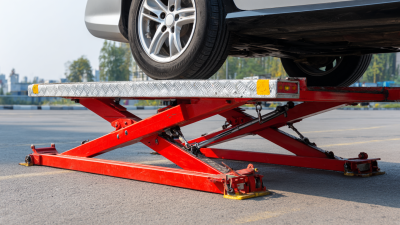
Automobile scissor jacks are essential tools that provide invaluable assistance in lifting vehicles to facilitate tire changes and minor repairs. Their design is characterized by a set of crossed-link arms that, when turned via a handle or ratchet, cause the arms to scissor up or down, raising or lowering the vehicle. This mechanism allows the jack to lift the car efficiently and steadily, ensuring that it remains stable while elevated. Understanding this functionality is crucial as it informs users about the jack’s weight capacity, lifting speed, and overall safety features.
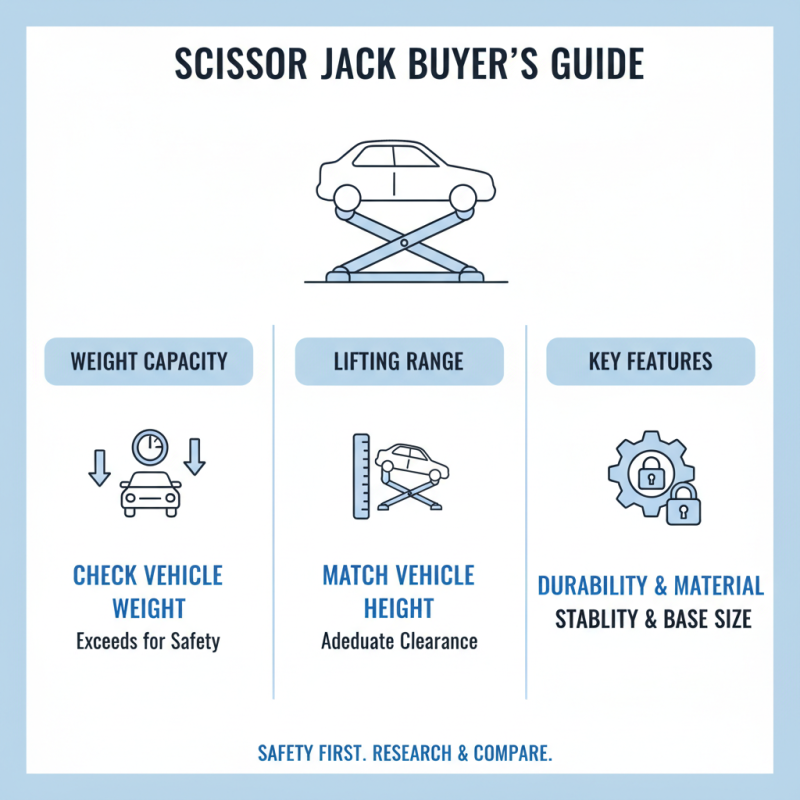
When choosing a scissor jack, it is vital to assess the weight of the vehicle it will support. Most scissor jacks are rated for specific weight limits, reflecting their ability to safely lift different sizes of vehicles. Additionally, the height range is another important factor; a jack that can adjust to the necessary height for any given vehicle will enhance its usability. Users should also consider the construction materials, as durable materials can withstand wear and tear better, ensuring longevity. By comprehensively understanding how automobile scissor jacks function, users can make informed decisions tailored to their specific lifting needs.
Comparison of Different Scissor Jacks Based on Lifting Capacity
Key Factors to Consider When Selecting a Scissor Jack
When selecting a scissor jack, one of the most crucial factors to consider is its weight capacity. It's essential to choose a jack that can support the weight of your vehicle, including any additional load. Scissor jacks typically come with a specified weight limit, so research your vehicle's specifications and ensure the jack you select exceeds this weight for added safety. Additionally, check the jack's lifting range to ensure it can reach the required height for your specific vehicle model, as different vehicles have varying clearance levels.
Another key consideration is construction quality and portability. Look for jacks made from durable materials that can withstand frequent use and potential harsh conditions. A lightweight design can be beneficial for ease of transport, particularly if you plan to carry the jack in your vehicle for emergencies. Furthermore, examine the user-friendliness of the jack; features like a smooth operating mechanism and a sturdy base can significantly enhance your experience and safety during use. With the right scissor jack, you can feel confident in tackling tire changes and other roadside situations.
Comparison of Scissor Jack Types: Manual vs. Electric
When it comes to choosing the right automobile scissor jack, understanding the differences between manual and electric types is crucial for making an informed decision.
Manual scissor jacks are typically lightweight, more affordable, and uncomplicated, making them a popular choice for everyday drivers. They rely on a hand crank mechanism, which allows for precise control during the lifting process. However, this can also mean the user must exert physical effort, especially when lifting heavier vehicles. Manual jacks are best suited for those who appreciate a minimalist approach and don’t mind a bit of elbow grease.
On the other hand, electric scissor jacks offer a more convenient lifting solution with minimal physical effort required.
Powered by a battery or a vehicle's power outlet, these jacks can lift a car with the simple push of a button, making them ideal for those who may struggle with manual jacks due to physical limitations or a desire for efficiency. Electric models often come equipped with built-in safety features, such as automatic shut-off and overload protection, adding an extra layer of security during operation. However, they typically come at a higher price point and may require maintenance related to their electrical components.
Ultimately, the choice between a manual and an electric scissor jack depends on individual needs, preferences, and circumstances. Those who prioritize cost-effectiveness and simplicity might gravitate towards manual jacks, while those seeking efficiency and ease of use may find electric options more appealing. Understanding these fundamental differences can help ensure you select a scissor jack that best suits your automotive needs.
Safety Guidelines for Using Scissor Jacks Properly
When using a scissor jack, safety should always be your top priority. Before you begin, ensure that the vehicle is parked on a stable, level surface. This is crucial because an unstable ground can lead to unexpected shifts, increasing the risk of accidents. Additionally, engage the parking brake and place wheel chocks on the wheels that remain on the ground to prevent the vehicle from rolling. Thoroughly inspect the scissor jack for any signs of wear or damage before use; a compromised jack can lead to catastrophic failures.
Once you're ready to lift the vehicle, position the jack under the designated lifting point, ensuring it’s aligned properly. As you operate the jack, always maintain a safe distance from the area underneath the vehicle. Never attempt to work under a vehicle supported solely by a scissor jack—use jack stands to provide extra safety. After you’ve completed your task, carefully lower the vehicle again to the ground, making sure the area is clear of personnel and obstacles. By following these guidelines, you can ensure a safe and efficient operation with your scissor jack.
Maintenance Tips for Prolonging the Life of Your Scissor Jack
To ensure the longevity and optimal performance of your scissor jack, regular maintenance is essential. Start by inspecting the jack for any signs of damage or wear before each use. Check for rust or corrosion on metal parts, which can compromise strength and stability. Wipe down the surfaces with a clean cloth to remove dirt and debris, and apply a light lubricant to moving parts to facilitate smooth operation. Additionally, ensure that the lifting mechanism functions properly by testing it with a light load.
Another crucial aspect of maintenance is proper storage. Always keep your scissor jack in a dry, cool place, away from moisture to prevent rust formation. Consider using a protective cover to shield it from dust and environmental factors. If the jack is not used frequently, it's advisable to exercise it periodically to keep the mechanisms in good condition. Finally, always refer to the manufacturer's guidelines for specific maintenance tips tailored to your model, further enhancing its lifespan and efficiency.