Essential Wheel Balancing and Alignment Tips for Your Vehicle?
Proper wheel balancing and alignment are crucial for any vehicle. These two aspects directly impact the overall performance and safety of your car. When wheels are not balanced or aligned, it can lead to uneven tire wear, poor fuel efficiency, and even significant handling issues. A well-aligned vehicle feels stable and responsive, enhancing both comfort and safety.
Many drivers overlook the importance of regular checks. Ignoring these adjustments can result in costly repairs down the road. Additionally, it can compromise your safety on the road. You may notice vibrations, pulling to one side, or uneven tire wear. These signs are often overlooked but indicate that wheel balancing and alignment require attention.
A trusted mechanic can help identify issues early on. Regular maintenance of these components fosters longevity in tires and vehicle performance. By investing time in wheel balancing and alignment, you can ensure a smoother ride and enhance your vehicle’s lifespan. Remember, balancing and alignment are not just maintenance tasks but critical components of responsible vehicle ownership.

Understanding the Importance of Wheel Balancing and Alignment
Wheel balancing and alignment are critical for vehicle safety and performance. When your tires are properly balanced, they wear evenly and handle better. Misalignment can lead to uneven tire wear. It can also affect your steering and suspension systems. If you notice your vehicle pulling to one side or your steering wheel vibrating, it might be time for a check-up.
Regular inspections can prevent major issues down the line. A professional can help identify if balancing or alignment is necessary. Look for signs of uneven wear on tires. They can indicate misalignment or balance issues. It's also essential to check the tire pressure frequently. Under or over-inflated tires can complicate these problems.
Driving habits play a role in maintaining balance and alignment too. Hitting potholes or curbs can knock your wheels out of alignment. It's wise to be cautious on uneven surfaces. Regular maintenance not only prolongs tire life but ensures a smoother ride. Trust your instincts if something feels off. A small investment in these checks can save you money and enhance your driving experience.
Signs Your Vehicle Needs Wheel Balancing or Alignment Services
When it comes to maintaining your vehicle, it's crucial to recognize the signs that indicate a need for wheel balancing or alignment services. One common sign is uneven tire wear. If one tire has significantly more wear than the others, it’s time to take action. This can lead to reduced traction and safety issues. You might also notice vibrations in the steering wheel. These vibrations can signal a balance issue, affecting driving comfort and control.
Another important indicator is if your vehicle pulls to one side while driving. This often means your wheels are misaligned. An alignment issue can create unnecessary strain on your tires and suspension system. Additionally, if your steering wheel is off-center when driving straight, this is a clear sign. Addressing these issues promptly can improve your vehicle's overall performance and longevity. Delaying necessary services can lead to more severe problems and higher repair costs down the line.
It's always a good practice to regularly inspect your tires for these signs. If something feels off while driving, trust your instincts. Checking your vehicle regularly ensures you're addressing concerns before they escalate. Your safety and vehicle health should always come first.
Step-by-Step Guide to Wheel Balancing Techniques
When it comes to vehicle maintenance, proper wheel balancing and alignment are crucial. Knowing the steps can save you money and enhance safety.
Begin by inspecting your wheels. Look for uneven tire wear. This could indicate misalignment or imbalance issues. After that, ensure your vehicle is on a level surface. Remove any wheel covers and loosen the lug nuts slightly, but don’t take them off completely yet. This preparation helps prevent mistakes.
Once you're ready, elevate the vehicle with appropriate jacks. A reliable hydraulic jack is a good option. After lifting the vehicle, remove the wheels. Check for any damage or debris that could affect performance.
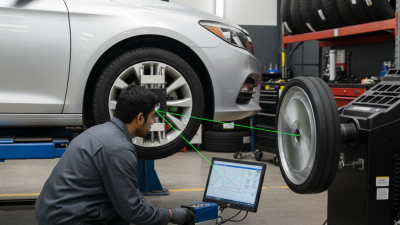
Balancing is often done using specialized machines. Bring your wheels to a balance shop if you lack equipment. They place weights on the tire rims to counterbalance any heavy spots. This process should be done as a routine after tire changes.
When aligning, adjust the camber, caster, and toe settings. These angles greatly influence handling and tire lifespan. Misalignment may cause vibrations, or your car could drift. Addressing these issues is vital for safety. Remember, neglecting wheel balance can lead to costly repairs later on. Pay attention to these details, and your vehicle will thank you.
Key Factors Affecting Wheel Alignment and Balancing
Maintaining proper wheel alignment and balancing is crucial for vehicle performance. Several key factors can influence these aspects. One primary factor is tire pressure. Under-inflated or over-inflated tires can lead to uneven wear, impacting alignment. Regularly checking your tire pressure can help avoid these issues.
Another important aspect is the condition of the suspension system. Worn-out components can throw off alignment and create vibrations. If you notice unusual handling or noises, have your suspension inspected. This can prevent further damage and improve ride quality.
When it comes to wheel balancing, road conditions play a significant role. Hitting potholes or curbs can disturb balance. After any such incident, consider having your wheels rebalanced. This avoids premature tire wear and enhances safety while driving. Remember to keep your tires rotated regularly as well. This practice promotes even wear and can prolong the life of your tires.
Best Practices for Maintaining Proper Wheel Alignment and Balance
Proper wheel alignment and balance are crucial for vehicle performance and safety. Misalignment can lead to uneven tire wear. This results in more frequent replacements, increasing your maintenance costs. Additionally, misaligned wheels can affect handling, leading to a less stable driving experience. Regular inspections can help identify potential issues early.
To maintain optimal wheel alignment, consider professional checks every 5,000 to 6,000 miles. Frequent driving on rough terrain can cause misalignment faster. If your steering wheel is off-center, or if your vehicle pulls to one side, these are signs that alignment needs attention. Pay attention to your tire pressure; under-inflated tires can also impact alignment and balance.
Balancing your tires is equally important. Unbalanced tires can cause vibrations during driving. This can be especially noticeable at higher speeds. Professional technicians can add weights to the rims to achieve balance. Regularly examining tread depth can help you maintain better traction and steering response. Keep an eye out for uneven wear patterns; these can be indicators of larger issues that need addressing.
Essential Wheel Balancing and Alignment Tips for Your Vehicle
| Tip |
Description |
Frequency |
Signs of Misalignment/Balancing Issues |
| Regular Maintenance |
Have your wheel alignment and balance checked every 5,000 to 6,000 miles. |
Every 5,000 miles |
Uneven tire wear |
| Visual Inspection |
Check tires for bulges, cracks, or uneven tread wear monthly. |
Monthly |
Vibrations in steering wheel |
| Alignment Check After Impact |
If you've hit a pothole or curbed your wheels, get a realignment checked. |
After any significant impact |
Car pulls to one side |
| Tire Rotation |
Rotate tires every 6,000 to 8,000 miles to ensure even wear. |
Every 6,000 miles |
Noise or vibrations while driving |
| Check Tire Pressure |
Maintain the recommended tire pressure to ensure optimal performance and safety. |
Weekly |
Warning light on dashboard |