Essential Tips for Using an Automobile Scissor Jack Safely?
In the realm of auto maintenance, the Automobile Scissor Jack is an essential tool. While it makes tire changes and repairs more manageable, using it safely is crucial. Many car owners underestimate the importance of proper technique. This oversight can lead to accidents or vehicle damage.
When using an Automobile Scissor Jack, always ensure it's on a flat surface. A slanted or uneven area can result in instability. Many people ignore this step, thinking it won’t matter. Sadly, it often does. Additionally, never place any part of your body under the vehicle without additional support.
Understanding the weight limits and maximum lifting height of your scissor jack is vital. Exceeding these limits can lead to failure. Observing clear safety practices while using this tool is beneficial. It may seem tedious, but doing it right is worth the effort. Ultimately, being informed and cautious can prevent mishaps down the road.
Understanding the Basics of Automobile Scissor Jacks
Automobile scissor jacks are simple devices. They lift vehicles using a mechanical advantage. Understanding their basics is crucial for safety. These jacks are commonly used to change tires. Their compact size makes them convenient for storage. However, their design also limits their use.
Proper placement is vital. Always set the jack on a flat surface. Uneven ground can cause it to slip or topple. Pay attention to the vehicle's weight distribution. Ensure you place the jack under a solid part of the frame. This can prevent accidents or damage.
Check the jack's condition before use. Look for signs of rust or wear. These can compromise stability. Remember to use wheel chocks as an added safety measure. Don’t rely solely on the jack for support.
Mistakes happen, and being cautious is essential. Use the jagged edges of the jack carefully to avoid injury. While these jacks are handy, knowing their limitations is equally important. Stay aware of your surroundings to maintain safety.
Choosing the Right Scissor Jack for Your Vehicle
When choosing the right scissor jack for your vehicle, consider weight capacity. Different jacks support different weights. Ensure yours can handle your car's weight plus extra. Some jacks may look sturdy but aren't. Read the specifications carefully.
Look for a compact design. Space in your trunk is often limited. A smaller jack can be easier to store and handle. Make sure it’s also easy to operate. Clunky mechanisms can complicate your task.
Check for quality features. Look for a rubberized footpad for better grip. A good handle will make lifting easier. Don’t overlook the importance of stability. An unstable jack can lead to accidents.
Tips: Always place your scissor jack on a solid surface. Soft ground can cause it to sink. Regularly inspect your jack. Look for rust or damage. It’s easy to forget, but vital for safety.
Preparing Your Vehicle for Jacking Up Safely
Before using a scissor jack, ensure your vehicle is prepared correctly. Park on a flat surface. Uneven ground can cause instability. According to the Automotive Safety Council, nearly 20% of accidents occur due to improper vehicle positioning. Engage the parking brake. This simple step reduces the risk of movement during the jacking process.
Check your owner's manual for specific jack points. Using incorrect points can damage your vehicle. A report by the National Highway Traffic Safety Administration states that incorrect jacking leads to over 15,000 injuries annually. Place wheel chocks behind the opposite tires. This adds an extra layer of safety, preventing unwanted rolling. Remember, even small neglections can result in accidents. Prioritize your safety. Taking these steps might seem redundant, but they can save you from serious risks.
Step-by-Step Guide to Using a Scissor Jack
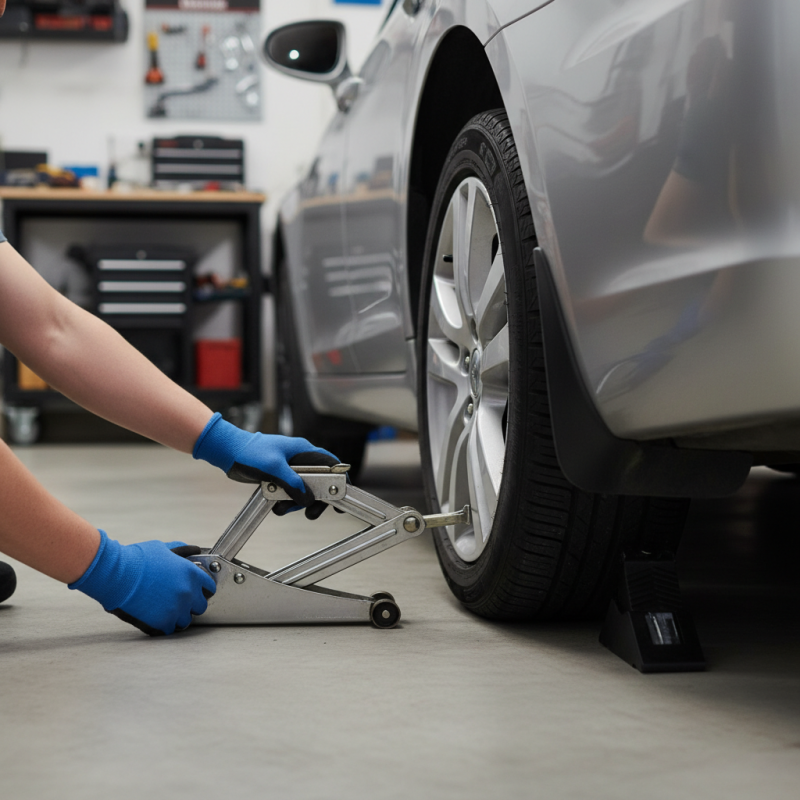
Using a scissor jack safely is essential for every car owner. Begin by ensuring you are on a flat, stable surface. Uneven ground can lead to accidents. Engage the parking brake and place wheel chocks around the tires for added stability. This precaution might seem minor, but it can prevent a serious mishap.
When you’re ready, locate the proper lifting point on the vehicle. Take a moment to review your car’s manual if needed. Align the scissor jack with this point. Turn the handle slowly and steadily. Listen for any unusual sounds. If you notice something off, stop immediately. This is often when mistakes occur.
Once lifted, inspect the scissor jack. Ensure it's secure and stable. Avoid placing any part of your body underneath the vehicle without proper support. It might be tempting to hurry the process, but rushing can lead to forgetfulness and danger. Taking your time here is crucial for your safety.
Essential Tips for Using an Automobile Scissor Jack Safely
Common Safety Mistakes to Avoid While Using a Scissor Jack
When using a scissor jack, avoiding common safety mistakes is crucial. Many people underestimate the importance of a stable surface. Placing a jack on gravel or an incline can lead to serious accidents. Always use the jack on a flat, solid ground. This simple step can prevent it from tipping over.
Another frequent error is neglecting to engage the parking brake. Without it, the vehicle may move unexpectedly. Engaging the brake keeps the car secure during the lifting process. Also, check that the jack is properly positioned under the vehicle's designated lift points. Incorrect placement can cause the vehicle to collapse. It’s not just a matter of convenience; it’s about safety.
Many forget to keep clear of the vehicle when lifting. It’s wise to stand back and observe from a distance. Dangerous situations can arise quickly. An occasional prompt to re-check your surroundings can save lives. Lastly, inspect the jack regularly for any signs of wear. A worn-out jack could fail unexpectedly.