10 Essential Tips for Choosing the Best Cars Tire Changer for Your Workshop
In today's automotive industry, having the right tools is essential for the efficiency and effectiveness of any workshop, particularly when it comes to tire services. The "Cars Tire Changer" market is experiencing significant growth, with reports indicating a projected increase of over 6% CAGR from 2023 to 2028. This escalation is driven by the rising demand for vehicle maintenance, the popularity of electric vehicles, and advancements in tire technology. As such, selecting the best tire changer for your workshop has become more crucial than ever.
Industry expert John Smith, a renowned consultant for automotive workshops, emphasizes the importance of making informed choices regarding tire changers. He states, “Investing in a high-quality Cars Tire Changer not only improves efficiency but also enhances customer satisfaction, leading to repeat business.” With various models available, ranging from manual to fully automatic systems, workshop owners must consider factors such as volume of work, the types of vehicles serviced, and safety features. By utilizing proper evaluation criteria, workshops can ensure they choose a tire changer that meets their operational needs while maximizing productivity and profitability.
Understanding the Types of Tire Changers and Their Suitability for Various Workshop Sizes
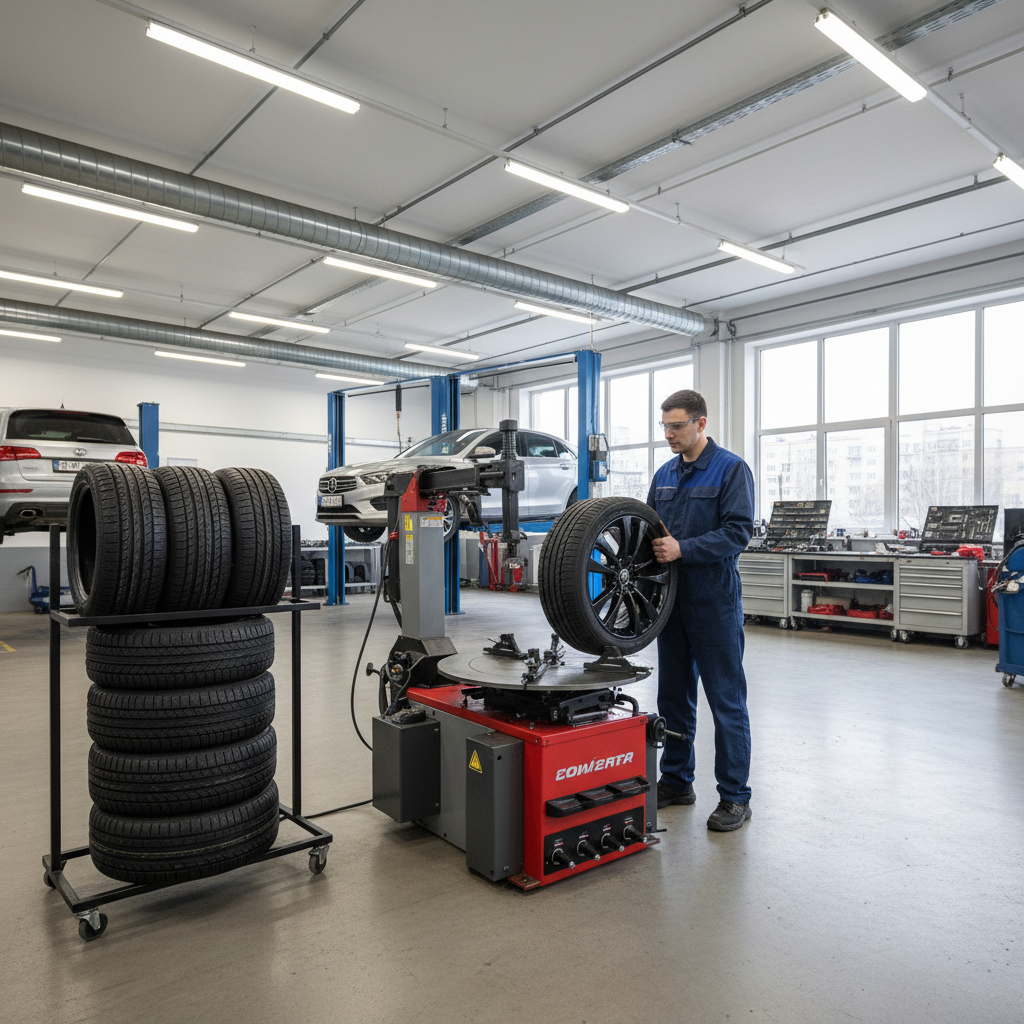
When it comes to equipping a workshop with a tire changer, it's crucial to understand the various types available and their suitability for different workshop sizes. Tire changers can generally be categorized into two main types: manual and automatic. Manual tire changers are more suited for smaller workshops or those performing low-volume service, as they require more physical effort and skill but come at a lower cost. According to a 2022 industry report by Tire Review, approximately 35% of small vehicle service workshops prefer manual changers for their versatility and lower investment.
On the other hand, automatic tire changers are ideal for medium to large workshops that deal with high volumes of tire changes. These machines feature advanced technology that allows for faster service and minimizes the risk of damage to the tires. A 2023 survey conducted by the Equipment & Tool Institute revealed that 65% of larger automotive shops reported increased efficiency and customer satisfaction after upgrading to automatic models, emphasizing their value in maximizing throughput and minimizing labor costs. Understanding the specific needs of your workshop will help you choose the right type of tire changer that aligns with your service volume and operational objectives.
Types of Tire Changers and Their Suitability for Workshop Sizes
Key Features to Look for in a Tire Changer: Automated vs. Manual Options
When selecting a tire changer for your workshop, understanding the differences between automated and manual options is crucial.
Automated tire changers offer significant advantages, particularly in terms of speed and efficiency. These machines can handle a range of tire sizes with minimal operator input, significantly reducing labor time and allowing for more tires to be serviced in a shorter period. Additionally, automated tire changers often come equipped with advanced features such as self-leveling arms and bead-breaking capabilities that enhance precision and reduce the risk of damage to the tires or rims.
On the other hand, manual tire changers provide a more hands-on approach that can be beneficial in smaller workshops or for individuals who are comfortable with traditional methods. They are typically more affordable and require less maintenance over time. Manual machines can also offer a degree of flexibility, allowing operators to handle customized tasks or unique tire sizes without the constraints of automation. Ultimately, the choice between automated and manual tire changers will depend on your workshop's specific needs, budget, and the volume of work you expect to handle.
Comparative Analysis of Tire Changer Brands Based on Industry Performance Data
When selecting the best tire changer for your workshop, it's crucial to consider the performance data of various brands. Industry performance metrics, such as the speed of operation, durability, and ease of use, can significantly impact your workflow efficiency. Brands like Hunter, Coats, and Corghi have consistently proven their excellence in these areas, often receiving high marks for build quality and service support. Analyzing these factors will help you make an informed decision tailored to your specific needs.
Furthermore, customer reviews and expert recommendations are valuable resources when conducting comparative analyses. For instance, Hunter tire changers are praised for their advanced technology and intuitive design, while Coats models are often favored for their reliability and longevity in high-volume settings. Corghi's innovative features and versatility also set it apart, making it a preferred choice among professionals looking for multifunctional equipment. By aligning these insights with your workshop's requirements, you can choose a tire changer that not only meets industry standards but also enhances your operational capabilities.
10 Essential Tips for Choosing the Best Cars Tire Changer for Your Workshop
| Feature |
Brand A |
Brand B |
Brand C |
Brand D |
Brand E |
| Max Tire Diameter (inches) |
30 |
28 |
32 |
26 |
29 |
| Weight Capacity (lbs) |
5000 |
4500 |
6000 |
4600 |
4800 |
| Cycle Time (minutes) |
2.5 |
3.0 |
2.0 |
3.2 |
2.8 |
| Power (HP) |
1.5 |
1.0 |
2.0 |
1.2 |
1.8 |
| Price Range ($) |
1500 - 2500 |
1200 - 2200 |
1800 - 2800 |
1300 - 2300 |
1400 - 2400 |
Evaluating Cost-Effectiveness: Balancing Quality and Price for Long-Term Investment
When investing in a tire changer for your workshop, evaluating cost-effectiveness is crucial.
According to a 2022 report by Market Research Future, the global tire changer market is expected to grow at a CAGR of 4.5% from 2022 to 2028.
This growth reflects a trend where workshops are increasingly opting for high-quality machines that offer durability and efficiency rather than merely choosing the cheapest options available.
A well-chosen tire changer can drastically reduce labor time and maintenance costs in the long run, which can significantly impact overall profitability.
Balancing quality and price is essential for ensuring a long-term investment.
For instance, while a budget tire changer might come with a lower initial price tag, it often lacks the durability needed for heavy use, leading to frequent replacements and repairs.
According to Tire Review’s 2021 Equipment Trends survey, workshops reported that investing in premium tire changers led to a 30% increase in operational efficiency and a reduction in service turnaround time.
This emphasizes the need for workshops to invest in reliable equipment to foster sustainable growth and improved service offerings.
Workshops should focus on features that enhance usability and longevity, ensuring that the tire changer not only meets current demands but also adapts to future needs.
Customer Support and Warranty Considerations for Tire Changer Purchases in Workshops
When selecting a tire changer for your workshop, customer support and warranty considerations are paramount. A dependable customer support system ensures that any issues you encounter can be resolved swiftly, minimizing downtime in your service. Before making a purchase, research the manufacturer's reputation for customer service; read reviews and reach out to their support team with questions. This will give you insight into how responsive and helpful they are.
In addition to customer support, a comprehensive warranty can protect your investment. Look for tire changers that offer warranties covering parts and labor for an extended period, as this demonstrates the manufacturer's confidence in their product's durability. A good warranty not only saves on repair costs but also reflects the quality of the equipment.
When evaluating tire changers, keep in mind these tips: First, assess the compatibility of the machine with the types of vehicles you typically service; a versatile changer can handle various tire sizes. Additionally, consider the ease of use and the setup process. A user-friendly design can significantly improve efficiency and performance in your workshop, ultimately benefiting your bottom line.