Essential Guide to Car Alignment and Balancing Tips?
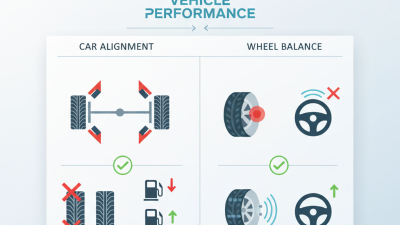
Car alignment and balancing are crucial for optimal vehicle performance. According to a report from the Automotive Service Association, improper alignment can reduce tire life by up to 25%. This leads to increased costs and potential safety issues. Maintaining proper car alignment and balancing ensures better fuel efficiency, enhancing overall driving experience.
Many drivers overlook the importance of regular alignment checks. Industry data indicates that around 60% of vehicles on the road today are misaligned. This can cause uneven tire wear and affect handling. Addressing these issues can prevent further damage and unnecessary expenses. Regular maintenance is essential for longevity and safety.
Understanding car alignment and balancing involves knowing specific parameters. These include camber, caster, and toe angles. Wearing tires prematurely can be costly. Drivers need to pay attention to signs of misalignment, such as uneven wear patterns or steering wheel vibrations. Investing time in these checks promotes safer driving and can ultimately be more cost-effective.
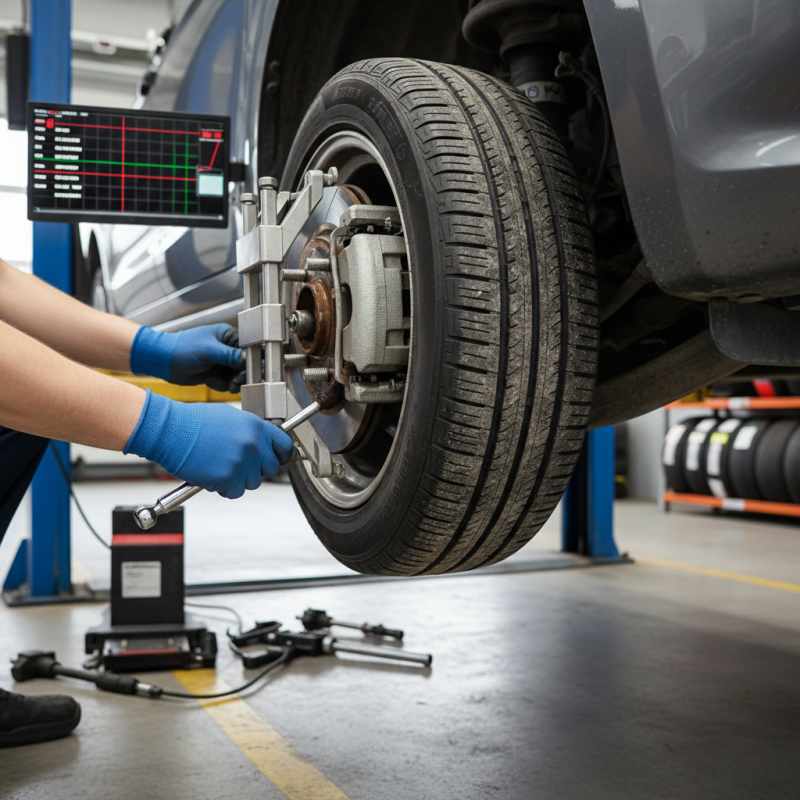
What is Car Alignment and Its Importance for Vehicle Performance
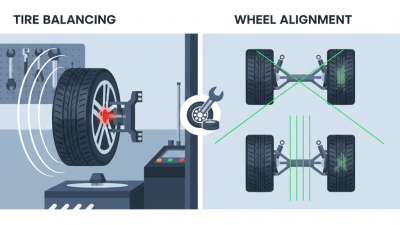
Car alignment refers to adjusting the angles of a vehicle's wheels. Proper alignment ensures that the wheels are
perpendicular to the road and parallel to each other. This is crucial for optimal vehicle performance. When wheels are
misaligned, it can lead to uneven tire wear and impact handling. Over time, this affects safety and fuel efficiency.
The importance of maintaining proper alignment cannot be overstated. Vehicles may pull to one side when alignment is off.
This not only makes driving uncomfortable but can also increase the risk of accidents. Drivers may notice vibrations or a crooked steering wheel, indicating alignment issues.
Additionally, misalignment can reduce tire life. Tires maintain their grip better with correct alignment, improving overall traction.
Neglecting alignment can lead to costly repairs in the long run. It's essential to regularly check and align your wheels,
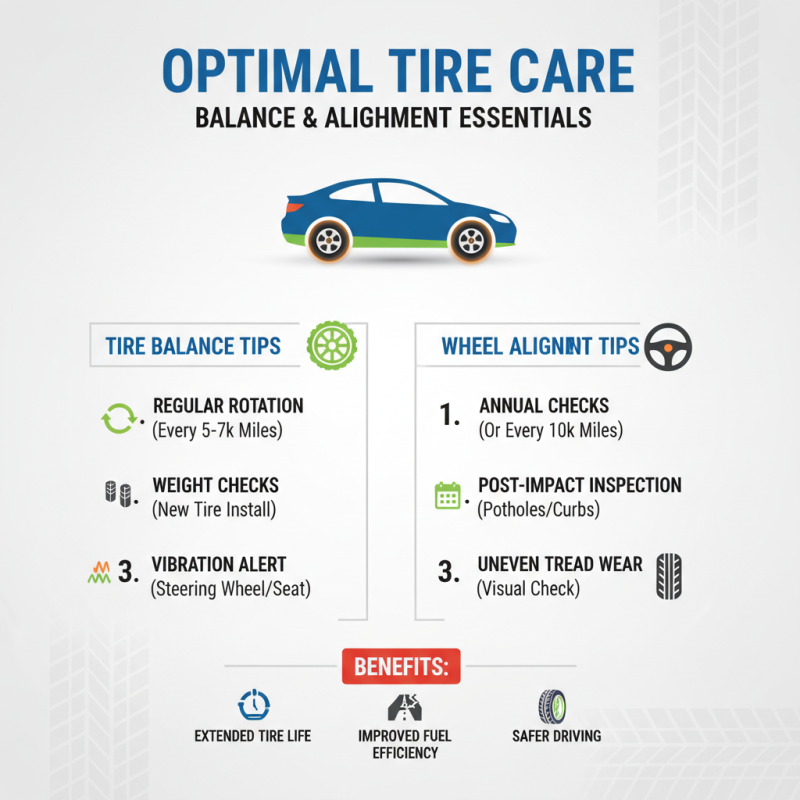
especially after pothole encounters or accidents. The signs are often subtle but can escalate into significant problems. Taking a proactive approach is key to
keeping your vehicle running smoothly and safely.
Common Signs Indicating your Car Needs Alignment and Balancing
Recognizing the signs that your car needs alignment and balancing is crucial. One common indicator is uneven tire wear. When one side wears down faster than the other, it signals misalignment. You might notice a “pulling” sensation, especially when driving straight. This can lead to discomfort and reduced control of the vehicle. A crooked steering wheel is another telltale sign. If your steering wheel is off-center, it's time to take action.
Suspension issues, like bouncing or instability on uneven surfaces, may also result from improper alignment. If your car feels jittery or the tires make unusual noises, they can indicate that balancing is needed. Keeping an eye on your vehicle's handling can prevent more severe problems down the line. Regular checks are essential, even if you don’t notice anything unusual. Ignoring these signs may result in costly repairs later. Maintaining proper alignment and balancing not only enhances safety but also prolongs tire life and ensures a smoother ride.
Car Alignment and Balancing Issues
This bar chart illustrates common symptoms of misalignment and imbalance in vehicles. The data is based on a survey of car owners reporting issues related to alignment and balancing. Each category indicates the percentage of respondents experiencing specific problems.
Step-by-Step Process for Checking Car Alignment at Home
Checking your car's alignment at home can save you time and money. With the right tools and careful attention, you can tackle this task effectively. First, ensure your car is parked on a level surface. Use a ruler or measuring tape to check the distance between the front and rear tires on both sides. The measurements should be similar. If there is a difference, your alignment may be off.
Tips for checking alignment include looking for uneven tire wear. If one side is more worn than the other, this is a sign of misalignment. Pay attention to the steering wheel. If it’s off-center when driving straight, that's another indicator. Sometimes, wheels can look aligned but won’t drive that way.
Next, take note of one important aspect: consistency. Have a base alignment that you trust. If you frequently observe changes, it’s time for a professional review. Using a simple bubble level on the wheel rim can also help detect minor issues. Don't underestimate the value of regular checks, even when things seem fine. This small effort can lead to better handling and safety.
Essential Guide to Car Alignment and Balancing Tips
| Dimension |
Value |
Importance |
| Toe Angle |
0.1° - 0.2° |
Affects tire wear and handling |
| Camber Angle |
-0.5° to 0.5° |
Influences cornering stability |
| Caster Angle |
3° - 5° |
Enhances straight-line stability |
| Tire Pressure |
30 - 35 PSI |
Critical for optimal performance |
| Balancing Tolerance |
< 1 oz |
Minimizes vibrations |
Professional Services: When to Seek Help for Alignment Issues
When dealing with car alignment issues, it's important to recognize when to seek professional help. Misalignment can lead to uneven tire wear and poor handling. If your vehicle pulls to one side or if the steering wheel is off-center, these may be signs of misalignment. Ignoring these symptoms can lead to costly repairs down the road.
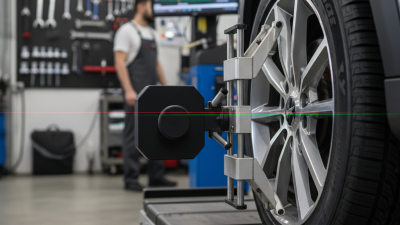
Regular maintenance is essential for your vehicle's performance. However, not every driver knows the signs of misalignment. A sudden vibration in the steering wheel or difficulty in steering can also indicate a problem. If you notice these symptoms, it’s wise to consult with a professional service. They can provide a thorough inspection and help avoid further damage.
After a certain mileage, consider getting your alignment checked. Even minor bumps can affect alignment. Professionals have the tools to assess your car appropriately. If you've been through rough roads or recent accidents, don’t wait for symptoms to appear. Proactive care is key.