Why Choosing a Twin Post Hoist is Essential for Efficient Vehicle Maintenance and Safety in Automotive Workshops
In the rapidly evolving landscape of automotive workshops, the importance of equipment efficiency and safety cannot be overstated. One essential piece of machinery that plays a critical role in this regard is the Twin Post Hoist. Studies indicate that workshops utilizing advanced hoisting systems can increase productivity by up to 35% compared to those relying on outdated equipment. As the automotive industry continues to grow, with the global automotive repair market expected to reach $1 trillion by 2025, the adoption of efficient tools like the Twin Post Hoist is crucial not only for maintaining competitiveness but also for ensuring the safety of technicians.
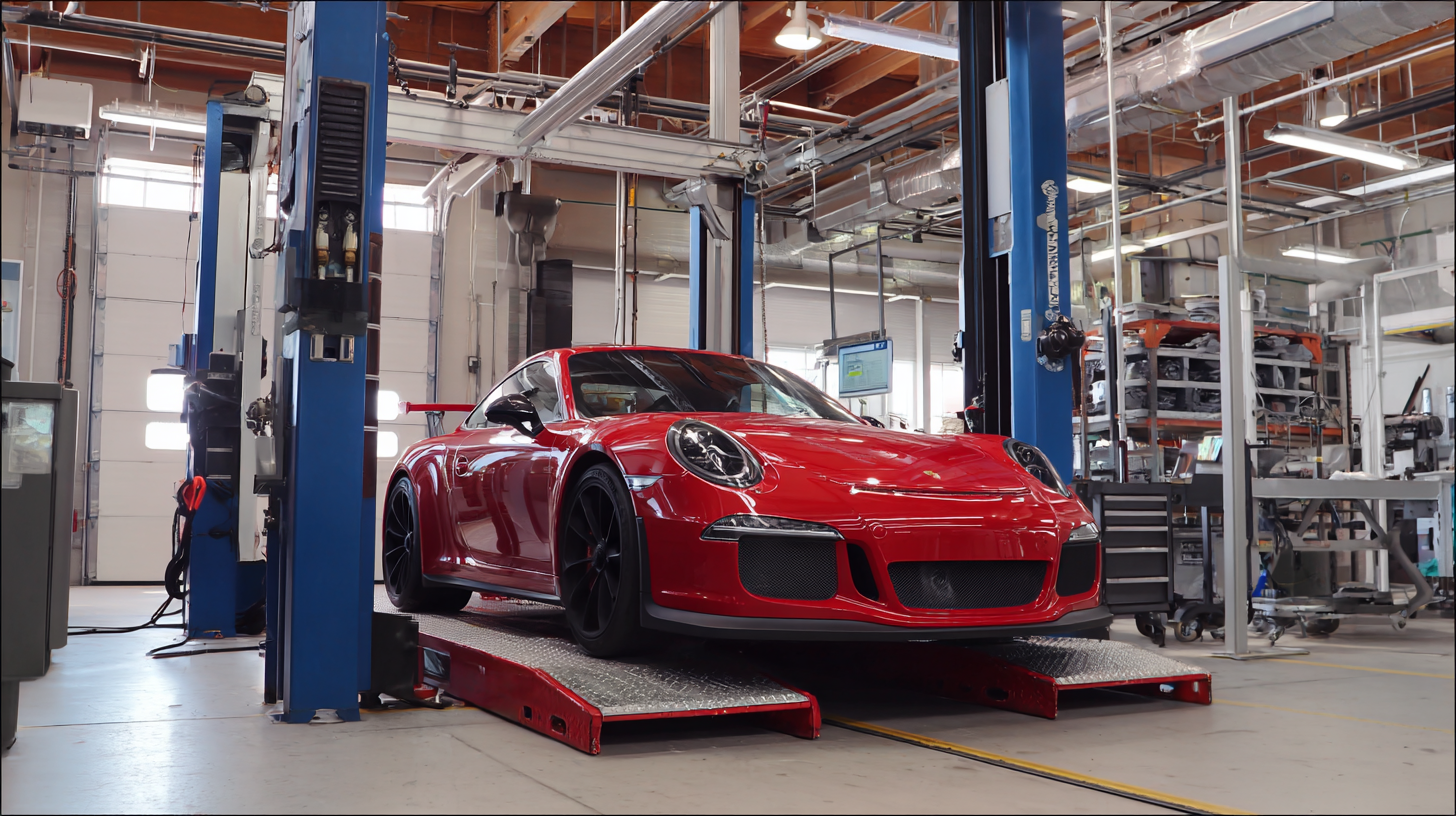
Moreover, safety statistics underscore the necessity of having reliable lifting equipment. According to the Occupational Safety and Health Administration (OSHA), improper vehicle lifting procedures contribute to a significant number of workplace injuries each year. The Twin Post Hoist addresses these concerns by offering a robust and stable lifting solution, which helps minimize the risk of accidents. By integrating advanced hoisting systems, automotive workshops not only enhance their operational efficiency but also cultivate a safer working environment, proving that investing in quality equipment is an investment in the workforce's well-being.
The Importance of Twin Post Hoists in Automotive Workshops
The importance of twin post hoists in automotive workshops cannot be overstated. These essential tools provide a safe and efficient means for technicians to access the undercarriage of vehicles, facilitating comprehensive inspections and repairs. The growing focus on safety in automotive maintenance has been highlighted by recent incidents that emphasize the necessity of proper lifting techniques and equipment. As such, selecting a reliable twin post hoist is crucial for any workshop aiming to maximize both operational efficiency and safety.
When considering the purchase of a twin post hoist, it's vital to conduct regular inspections. Implementing a daily inspection routine can help identify potential issues before they become serious problems. Here are a few tips to keep in mind: first, always check the hydraulic fluid levels and look for leaks. Second, ensure that all moving parts are lubricated and functioning smoothly. Third, perform a “shake test” on vehicles to confirm that they are securely positioned before commencing any work. Such proactive measures not only enhance safety but also extend the lifespan of the hoist, ultimately benefiting the workshop's overall productivity.
Enhancing Efficiency: How Twin Post Hoists Streamline Vehicle Maintenance
Twin post hoists are revolutionizing the way automotive workshops approach vehicle maintenance. By providing a stable and secure platform, these hoists enable technicians to access critical components of vehicles with ease. The design of twin post hoists facilitates efficient lifting, allowing mechanics to perform maintenance tasks such as oil changes, brake inspections, and suspension work without the cumbersome maneuvering often required with traditional systems. This streamlined access significantly reduces the time spent on each job, enhancing overall productivity within the workshop.
Moreover, the safety features integrated into twin post hoists cannot be overlooked. Designed with robust support and safety locks, they minimize the risk of accidents during vehicle lifts. This reliability is essential for ensuring both the safety of the technicians and the integrity of the vehicles being serviced. As automotive technology continues to advance, the efficiency provided by twin post hoists ensures that workshops remain competitive, capable of delivering high-quality service while safeguarding the well-being of their staff. Embracing these cutting-edge tools is not just an upgrade; it is a step towards a more effective and safe working environment.
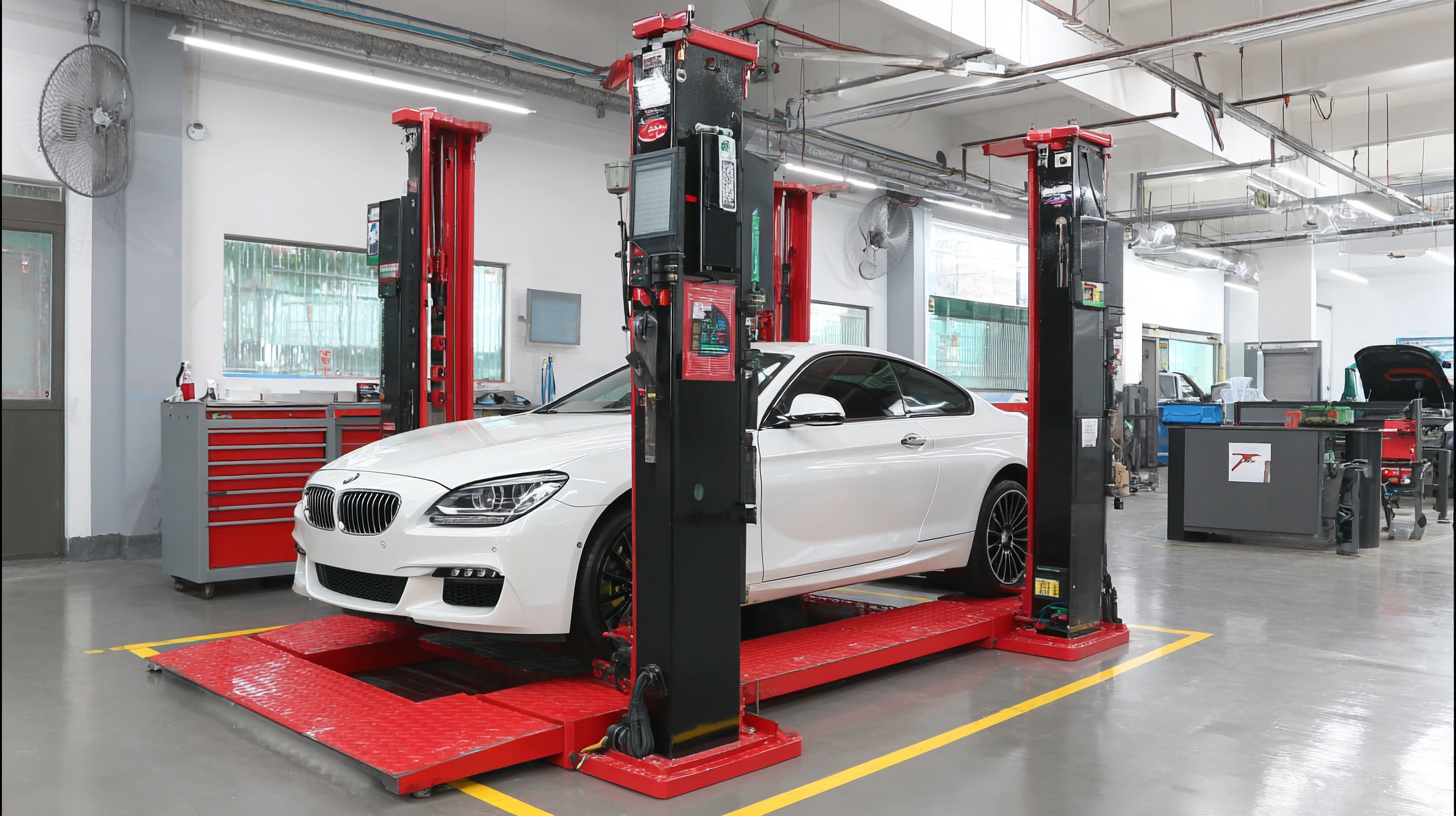
Safety First: The Role of Twin Post Hoists in Reducing Workplace Hazards
When it comes to vehicle maintenance in automotive workshops, safety should always be the top priority. Twin post hoists play a crucial role in enhancing workplace safety by minimizing potential hazards. According to the Occupational Safety and Health Administration (OSHA), nearly 25% of workplace injuries in the automotive sector are related to lifting and supporting vehicles. By utilizing twin post hoists, workshops can ensure that vehicles are elevated securely, reducing the risk of accidents and injuries caused by unstable lifting systems.
Using twin post hoists not only enhances safety but also boosts efficiency. A report by the Automotive Lift Institute indicates that workshops equipped with two-post lifts can save up to 30% of the time required for vehicles maintenance. Investing in proper lifting equipment can significantly improve workflow while ensuring that safety protocols are always adhered to.
**Tips for Safe Operation:**
- Always inspect hoists before each use, checking for signs of wear or damage.
- Train all staff on the proper operation of twin post hoists to ensure compliance with safety regulations.
- Use wheel chocks and ensure the vehicle is in gear or park before lifting to prevent movement.
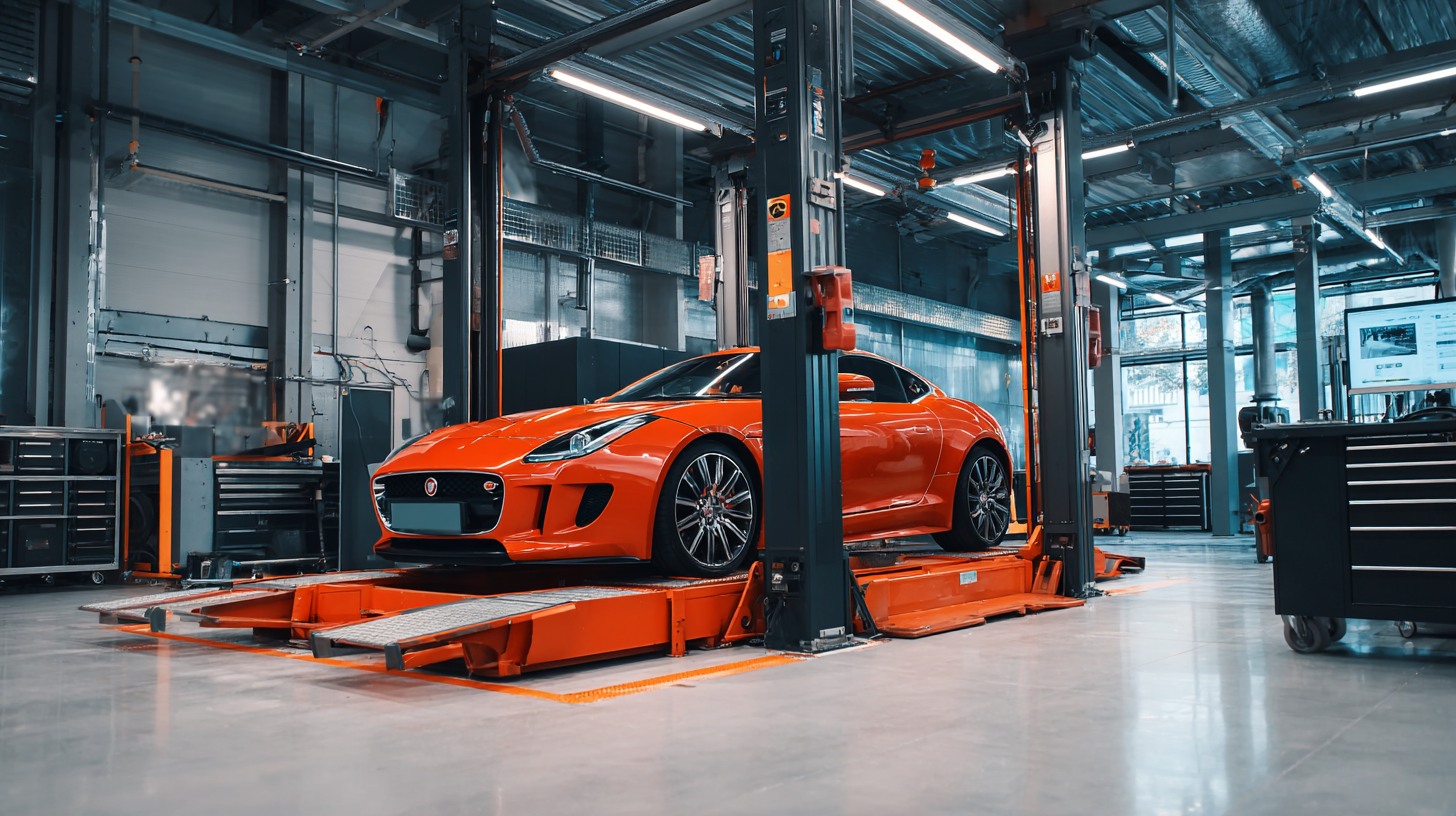
Cost-Effectiveness: Long-Term Savings with Twin Post Hoists
When it comes to automotive workshops, the choice of equipment can significantly impact operational costs and overall efficiency. Twin post hoists stand out as a cost-effective solution for vehicle maintenance, allowing workshops to save money in the long run. Their robust build and reliable performance enable technicians to perform a variety of tasks, from routine inspections to complex repairs, with ease. This versatility can reduce the need for multiple lifting systems, thereby minimizing upfront investments.
Moreover, twin post hoists require less maintenance than other lifting systems, further contributing to long-term savings. With fewer mechanical parts and simplified designs, these hoists offer durability and reliability, translating to lower service costs over time.
Additionally, the ability to handle large vehicles efficiently means that workshops can maximize their productivity without the burden of frequent equipment replacements. Overall, investing in twin post hoists not only enhances operational efficiency but also safeguards the bottom line for automotive workshops.
Versatility and Space-Saving Benefits of Twin Post Hoists in Vehicle Maintenance
When it comes to automotive workshops, the versatility and space-saving benefits of twin post hoists cannot be overstated. These hoists not only streamline the maintenance process but also enhance the overall efficiency of a workshop. According to a recent industry report by the Automotive Lift Institute, workshops equipped with twin post hoists can increase their productivity by up to 30%. This significant boost is attributed to the hoists' ability to accommodate various vehicle sizes and types, making them essential for facilities that service diverse automotive fleets.
Additionally, the compact design of twin post hoists maximizes the usable floor space in workshops. Unlike traditional four-post hoists, twin post models require less room, allowing for more work areas or additional equipment. The National Institute for Automotive Service Excellence has highlighted that workshops optimizing their layout can improve workflow and reduce vehicle turnaround times. As such, the innovative design of twin post hoists not only aids in maintaining a tidy workspace but also promotes a safer environment, minimizing hazards associated with clutter and disorganization that can often lead to accidents in busy automotive settings.