Best Car Tire Opener Tools for Easy Tire Change?
Changing a tire can be a daunting task for many drivers. Studies show that nearly 25% of drivers feel unprepared for tire issues. Having the right tools is essential. A good "Car Tire Opener" can make a huge difference. It enhances safety and efficiency during these challenging moments.
Reports highlight that using proper tire tools reduces the time spent on roadside repairs by up to 50%. This time-saving aspect can be crucial, especially in busy areas. Investing in quality tire openers not only provides ease but also boosts confidence for all drivers. However, many still rely on inadequate tools or outdated methods.
Choosing the right car tire opener tool could save you from potential stress and danger on the road. It's not just about convenience; it's a matter of preparedness and safety. While many options exist, understanding what works best for your vehicle can elevate your driving experience.
Overview of Car Tire Opener Tools
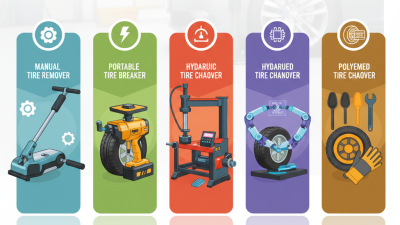
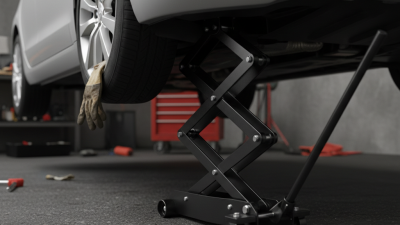
When it comes to changing a tire, having the right tools can make all the difference. Car tire opener tools vary in design, function, and efficiency. A strong lug wrench is essential. It provides the necessary leverage to loosen or tighten lug nuts safely. A jack, whether a scissor or hydraulic type, is crucial for lifting the vehicle off the ground. These tools must be sturdy and reliable for effective use.
Tips: Always ensure your tools are in good condition. Rusty or damaged items can compromise safety. Check your spare tire’s air pressure regularly. A flat spare is as useless as no spare at all.
For an efficient tire change, consider a tire iron that fits your vehicle’s lug nuts perfectly. Incorrect sizing can lead to slips and injuries. Portable tire changers or adapters may also be helpful. They make the process quicker but require practice to use effectively. Be cautious; overconfidence in unfamiliar tools can lead to mistakes. Every tool has its learning curve, and utilizing them safely takes experience.
Best Car Tire Opener Tools for Easy Tire Change
| Tool Type |
Material |
Weight (lbs) |
Ease of Use |
Price Range |
| Tire Iron |
Steel |
2.5 |
Easy |
$10 - $20 |
| Lug Wrench |
Aluminum |
3.0 |
Moderate |
$15 - $25 |
| Hydraulic Jack |
Steel |
10.0 |
Moderate |
$50 - $100 |
| Impact Wrench |
Plastic/Metal |
4.0 |
Easy |
$70 - $150 |
| Tire Pressure Gauge |
Metal/Plastic |
0.5 |
Very Easy |
$5 - $15 |
Types of Tire Openers for Different Vehicles
When it comes to tire changing, using the right tools can make all the difference. Different vehicles require different types of tire openers. For compact cars, a simple four-way lug wrench often suffices. This tool is lightweight yet effective for loosening nuts. However, larger vehicles like SUVs benefit from a heavy-duty breaker bar. A breaker bar creates more torque, ensuring stubborn lug nuts are easily removed.
In addition, vehicles with alloy wheels often need specialized socket sets. These sockets prevent damage to the rims while providing a secure fit on the lug nuts. Industry reports show that nearly 20% of roadside assistance calls are due to improper tire-changing tools. This statistic emphasizes the importance of having the right equipment on hand. Personal experience also indicates that underestimating the need for a proper jack can lead to frustrating situations.
Considering the types of vehicles, larger trucks may require a pneumatic impact wrench for efficiency. This tool significantly reduces the time and effort needed for tire changes. However, it is crucial to use these tools correctly to avoid accidents. A study by the National Safety Council highlights that improper use of tire tools contributes to injuries during tire changes. Hence, familiarity with your specific vehicle’s requirements is paramount to a safe and effective tire-changing process.
Key Features to Look for in Tire Opener Tools
When selecting tire opener tools, durability and ease of use are paramount. Industry reports indicate that tools made from high-strength steel provide better durability than those from plastic. A tool that can withstand high torque during tire changes is essential. Look for tools with anti-slip grips, as they enhance safety and control. Approximately 30% of users report accidents due to tool slippage. This data underscores the importance of grip design.
Compatibility also plays a crucial role. Many tools claim to be universal; however, they may not fit all wheel types. According to automotive surveys, over 40% of users experienced frustration due to poor fit. It's vital to check specifications before purchase. A tool should accommodate various nut sizes. User feedback suggests that adjustable tools can save time and effort.
Portability and weight also matter. Tools should not be cumbersome to carry. Ideally, a good tire opener should weigh around three pounds, making it manageable for regular use. Additionally, some reports highlight that compact designs allow for easier storage. Yet, compact tools may sacrifice some functionality. Always evaluate the balance between size and usability, ensuring the tool fulfills your tire-changing needs effectively.
Step-by-Step Guide to Using Tire Opener Tools
Changing a tire can be daunting. However, using the right tire opener tools can make the process smoother. Start by selecting a robust tire opener tool. These tools vary in design but typically include a handle and a leverage point. Choose one that feels comfortable in your hand. Grip matters. If your hands slip, it may lead to accidents.
Next, you'll want to position the opener correctly. Align the tool between the tire and the rim. Apply gentle pressure to create a gap. This small opening allows you to insert a tire lever. Some struggle with this step. If the tool slips, assess its position. A securely placed tool reduces effort and minimizes strain.
Once you have created a gap, pry the tire off the rim. This step often requires patience as tires can stick. If you encounter resistance, check for any obstructions. You may need to adjust your angle. Errors happen. Keeping a steady hand is crucial, but don’t rush. Ensure each movement is deliberate. Lastly, once the tire is off, inspect the rim for damage. If everything looks good, you’re ready for the new tire.
Best Car Tire Opener Tools for Easy Tire Change
Maintenance Tips for Prolonging Tool Lifespan
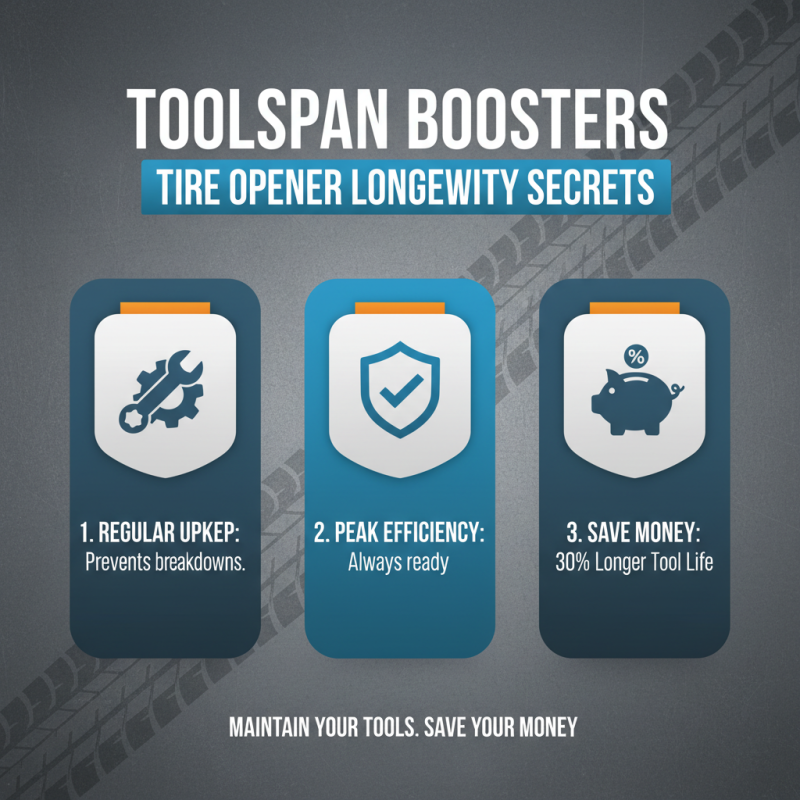
Maintaining your tire opener tools is essential for efficiency and longevity. Regular upkeep can prevent breakdowns and ensure you have functional equipment when you need it. Studies show that well-maintained tools can last up to 30% longer than those neglected, saving you money in the long run.
One common mistake people make is not cleaning their tools after use. Dirt and grime can cause rust and impair function. After each use, wipe down moving parts with a clean cloth. A simple practice can extend the life of your tools significantly. Also, store them in a dry place to prevent moisture damage.
Another tip is to regularly check and lubricate moving components. Using appropriate lubricants reduces friction and wear. Experts recommend doing this every few months, especially in high-use environments. Not all lubricants are created equal, so choose those specifically designed for your tools. This small investment can enhance performance and reliability. Neglecting these steps can lead to frustration during a tire change.