Best Cars Tire Changer for Professional Use and Efficiency?
When it comes to the automotive industry, efficiency and precision are paramount. The choice of the right equipment makes all the difference in a workshop's daily operations. This is especially true for a key tool: the Cars Tire Changer. A reliable tire changer not only speeds up the process but also ensures safety and accuracy. Professionals in the field recognize that investing in high-quality equipment can elevate their service and customer satisfaction.
Selecting the best Cars Tire Changer requires careful consideration. Features such as automation, ease of use, and compatibility with various tire sizes are crucial. However, not all tire changers are suitable for every shop. Some might lack specific functionalities needed for high-volume tasks. It's essential to understand the unique needs of your business before making a purchase. Your choice reflects your commitment to excellence and efficiency.
Furthermore, expertise in using these machines is vital. Many technicians face challenges in mastering the equipment, leading to errors and delays. Ongoing training can mitigate these issues. A well-informed team can operate the Cars Tire Changer more effectively. In an industry where time is money, improving proficiency can yield substantial benefits.
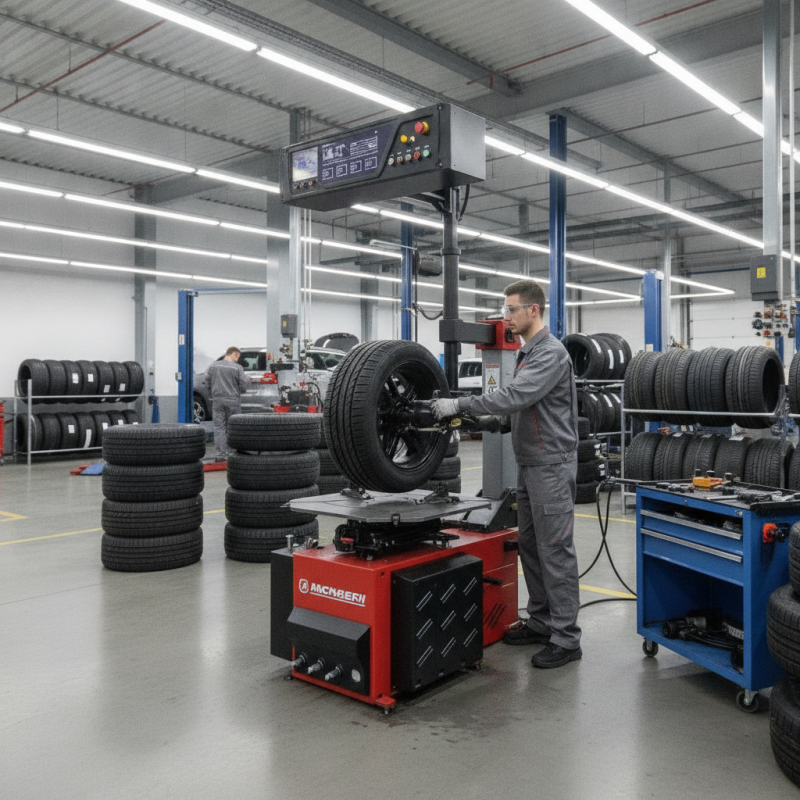
Types of Tire Changers for Professional Use
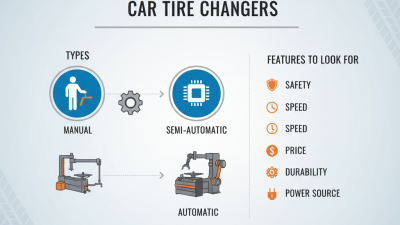
When it comes to tire changers for professional use, several types stand out. The most common types include manual, semi-automated, and fully automated models. Each type offers unique benefits. Manual changers require more physical effort but are often more affordable. Semi-automated changers strike a balance, providing assistance while still allowing operator control. Finally, fully automated tire changers maximize efficiency, reducing the physical workload significantly.
Consider the specific needs of your shop. If high volume is a priority, invest in a fully automated model. It can handle various tire sizes quickly. For smaller operations, a semi-automated model may suffice. Ensure the machine you choose is compatible with tire sizes you encounter regularly. It’s crucial to assess the durability and ease of use too. A good changer's design should facilitate seamless operation.
Tips: Always keep your machines well-maintained. Regular lubrication extends their life. Train your staff consistently to avoid accidents. Practice on scrap tires before working on customer vehicles. Being familiar with your equipment can enhance both speed and safety. Reflect on your workflow often. There may be areas for improvement in your tire-changing process.
Key Features to Look for in Tire Changers
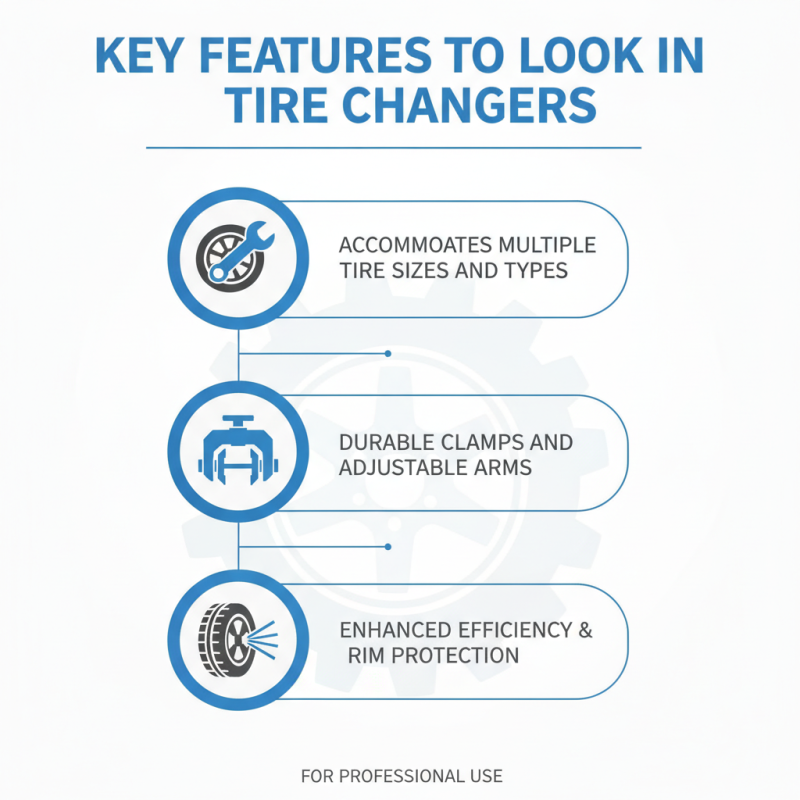
When selecting a tire changer for professional use, key features make all the difference. A robust machine should accommodate multiple tire sizes and types. Look for models equipped with durable clamps and adjustable arms. These elements enhance efficiency and prevent damage to rims during the changing process.
Tips: Always evaluate the machine's speed and motor power. Higher RPMs reduce the time needed for each tire change, optimizing workflow. A digital display for maintaining tire pressure can also be a valuable addition, ensuring accuracy.
Furthermore, consider the machine's ease of use. Complex setups can lead to frustration and inefficiency. Invest in a model with straightforward controls and a clear user interface. It’s vital that every technician can operate the changer without extensive training.
Finally, maintenance accessibility is often overlooked. A tire changer that requires frequent repairs or complicated upkeep can disrupt operations. Choosing a model with easily replaceable parts reduces downtime. Reflect on existing equipment; ask if it truly meets efficiency needs before making a decision.
Efficiency Metrics for Tire Changing Machines
When selecting a tire changing machine, efficiency metrics play a crucial role. A recent industry report highlights that an efficient tire changer can reduce changing time by up to 50%. This is significant for professional use, where time translates to profitability and customer satisfaction. Machines that process tires in under three minutes are considered highly efficient, ensuring quick service while maintaining quality.
Another critical metric is the ease of use. Operators benefit from systems with intuitive interfaces, which lead to reduced training time. A well-designed machine can enhance the workflow. Data indicates that around 70% of professional tire changers experience fewer operational errors with user-friendly models. This improves overall productivity and minimizes potential damage to tires during the process.
Despite advancements, some challenges remain. For instance, not all machines handle low-profile tires well. Many users report difficulties in changing these tires without causing bead damage. Such inconsistencies can lead to increased wear and tear on equipment. Attention to detail and regular maintenance are vital for mitigating these issues. Continuous improvement in design and technology is essential to address these flaws and enhance the efficiency of tire changing machines.
Efficiency Metrics for Tire Changing Machines
Top Brands in the Professional Tire Changer Market
In the competitive landscape of professional tire changers, several top brands dominate the market. Recent industry analysis from Tire Business indicates that the tire changer sector has been growing steadily, with a projected annual growth rate of 4.5% through the next five years. This growth is largely fueled by the increasing demand for high-efficiency equipment in automotive service centers.
Leading brands have invested heavily in research and development. They focus on durability and user-friendly features. Industry reports highlight that about 70% of professionals prioritize tire changers that minimize manual labor while enhancing speed and precision. Notably, automatic and semi-automatic machines reduce error rates and improve turnaround times. However, the upfront cost of these advanced machines can be a barrier for smaller shops.
Despite advancements, some professionals express concerns over maintenance needs and parts availability. A survey revealed that around 30% of users have faced issues with serviceability, leading to downtime. The industry must address these challenges to maintain user confidence. Ensuring that tire changers not only promise efficiency but also offer reliable service and support will be crucial for success in this evolving market.
Maintenance and Best Practices for Tire Changers
Maintaining a tire changer is crucial for professional efficiency. Regular upkeep ensures it operates at its best.
Check the tire changer's crucial components frequently. Inspect the air supply, hydraulic systems, and electrical connections.
Identify and address any signs of wear or damage promptly. Proper maintenance prevents unexpected breakdowns.
Using the machine effectively is equally important. Train all operators thoroughly.
They should understand the equipment fully to avoid common mistakes. Holding the tire improperly can cause
damage or injury. Always follow safety guidelines, using appropriate personal protective equipment.
Never rush the process, as hasty work can lead to accidents.
Keep a log of maintenance activities. This practice not only tracks repairs but also helps identify patterns.
Understanding the usage history can guide better maintenance schedules. Reflect on each operation.
Ask what went well and what can improve. Recognizing these aspects can greatly enhance efficiency and reliability.