How to Use an Automatic Scissor Jack for Safe and Efficient Vehicle Lifting?
In the world of automotive maintenance, safety and efficiency are paramount. An Automatic Scissor Jack has emerged as an essential tool for vehicle lifting, offering a reliable solution for both DIY enthusiasts and professional mechanics. According to a recent industry report, nearly 70% of vehicle maintenance tasks require lifting the vehicle safely. Utilizing the Automatic Scissor Jack can significantly reduce the risk of accidents during these operations.
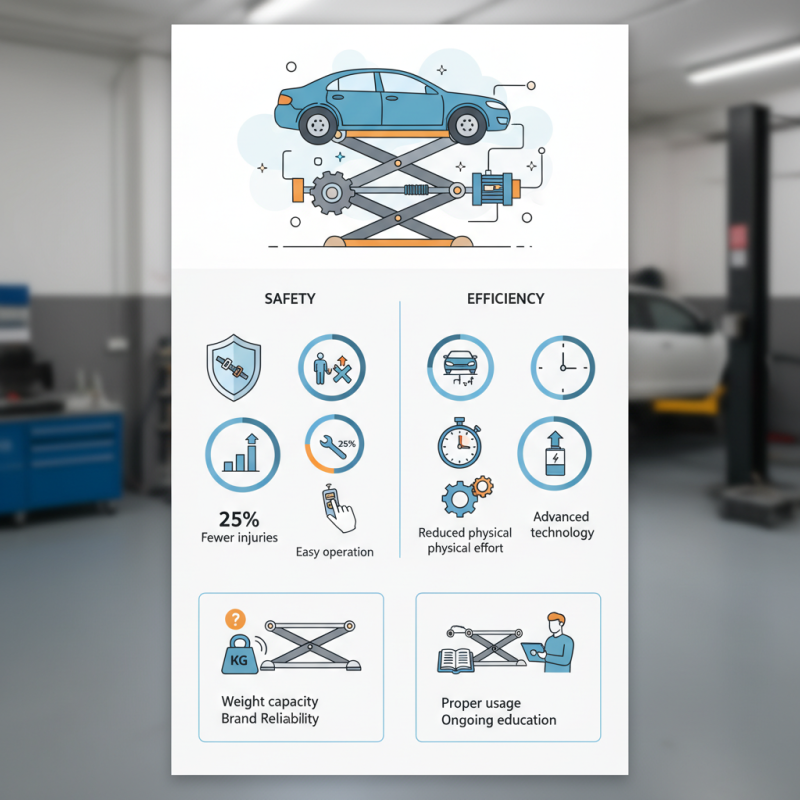
The design of an Automatic Scissor Jack allows for easy operation, minimizing the physical effort required by users. Advanced models can lift vehicles in a matter of seconds, showcasing innovation in car lifting technology. Maintenance experts highlight that incorrect lifting methods account for over 25% of workplace injuries in garages. Hence, an Automatic Scissor Jack not only improves efficiency but also enhances safety.
However, it is crucial to acknowledge that not all Automatic Scissor Jacks are created equal. Users must consider weight capacity and brand reliability. Some budget options may lack the durability needed for regular use. As the industry evolves, ongoing education on proper usage and maintenance of these jacks becomes essential for ensuring long-term performance and safety in automotive care.
Understanding the Basics of Automatic Scissor Jacks
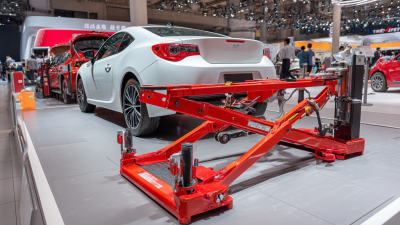
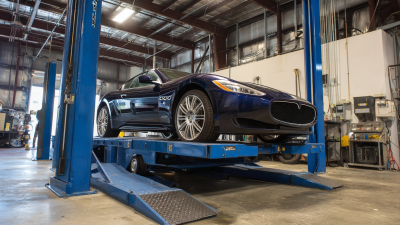
Automatic scissor jacks are essential tools for vehicle lifting. They simplify the process of raising your car for tire changes or maintenance. Understanding their basic components can enhance your safety and efficiency. The jack operates through a scissor mechanism that multiplies the force applied through a motor, enabling it to lift significant weight with relative ease.
When using an automatic scissor jack, pay attention to its weight limit. Exceeding this can lead to failures and accidents. Ensure the car is on a flat surface. Uneven ground may cause the jack to tip. Also, check that the jack is properly positioned under the vehicle's lifting points. Improper placement can result in instability.
Auto mechanics often emphasize training and practice. Misuse can lead to injuries or damage. Familiarize yourself with the operation manual. It provides critical operational insights. Always perform a safety check before lifting. Trust your intuition; if something feels wrong, don't proceed. Scissor jacks can be efficient, but they require respect and diligence.
Choosing the Right Automatic Scissor Jack for Your Vehicle
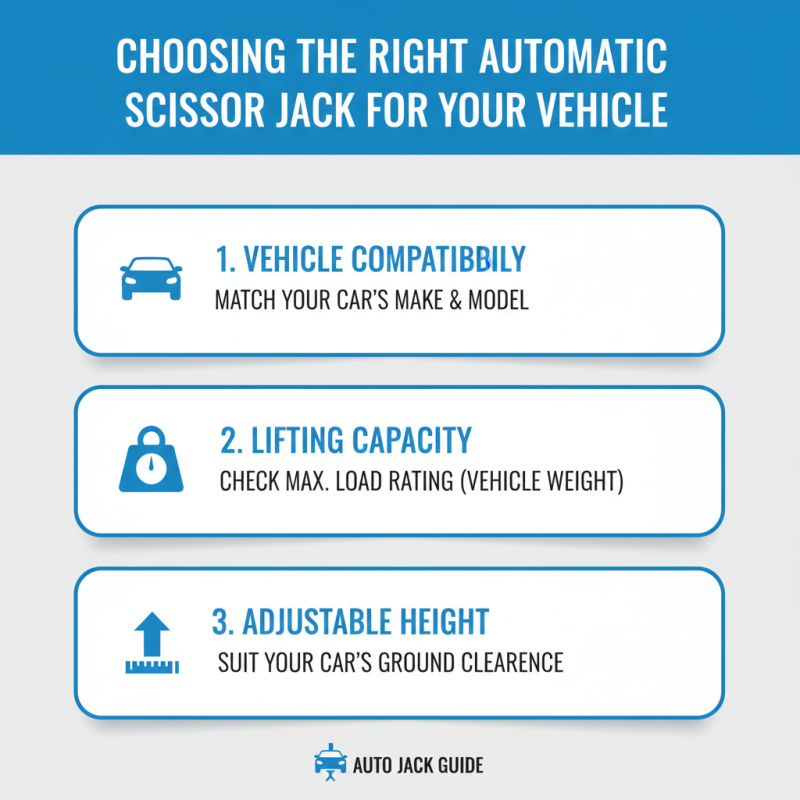
When selecting an automatic scissor jack, you need to consider compatibility with your vehicle. Different vehicles have varying lifting capacities. Check the maximum load rating of the jack. This ensures it can handle your vehicle’s weight. Also, look for features like adjustable height. A model that suits your car’s clearance is crucial.
Durability is another key factor. Examine the materials used in the jack. Steel jacks often provide better support and longevity. Additionally, read user reviews for real-life experiences. Look for feedback on ease of use and safety features. A reliable jack should have built-in safeguards to prevent accidents.
Don’t overlook the importance of portability. If you plan to use the jack frequently, a lightweight design helps. However, ensure it remains strong. Inspect the overall size; it should fit easily in your vehicle without taking too much space. Take time to research, and you’ll find the right fit for your needs.
Step-by-Step Guide to Setting Up Your Automatic Scissor Jack
Using an automatic scissor jack can simplify vehicle lifting tasks. To set up your jack safely, start by choosing a flat, stable surface. This reduces the risk of accidents. Next, ensure your vehicle is in 'Park' or 'Neutral' mode with the handbrake engaged. Locating the designated jack points is crucial, as misplacement can lead to damage or injury.
When adjusting the jack, keep hands away from moving parts. Most jacks lift vehicles in a controlled manner. However, improper use can result in an unstable situation. According to industry research, 30% of vehicle lifting accidents result from operator error. Ensuring you follow guidelines can minimize these risks.
Tips: Regularly inspect your jack for wear and tear. Any signs of damage should be addressed immediately. Familiarizing yourself with the jack's operation can enhance your confidence and efficiency. For safety, never exceed the manufacturer’s weight limit. Remember, lifting with caution is better than dealing with the aftermath of a mishap. Always be aware of your surroundings while in the lifting process.
Safety Precautions When Using an Automatic Scissor Jack
Using an automatic scissor jack can make vehicle lifting safer, but precautions are vital. According to the National Institute for Occupational Safety and Health (NIOSH), improper lifting can cause serious injuries. The weight of many vehicles often exceeds a ton. Therefore, the maximum lifting capacity of your jack must be well within this range.
Always ensure your vehicle is on a flat surface. An uneven surface can cause the jack to tilt and fail. Clear the area around the vehicle of any obstacles to prevent accidents during the lifting process. Remember to engage the parking brake and use wheel chocks. This simple step can prevent the vehicle from rolling and create a safer working environment.
Regular inspections of the jack are crucial. Check for rust, corrosion, and any signs of wear. A 2019 report by the Automotive Lift Institute highlighted that 30% of equipment failures result from lack of maintenance. Users should also be aware of their own position during the lift. Standing directly beneath the vehicle is risky. Even with an automatic hydraulic system, accidents can happen. Always maintain a safe distance while the vehicle is raised.
Maintenance Tips for Optimal Performance of Scissor Jacks
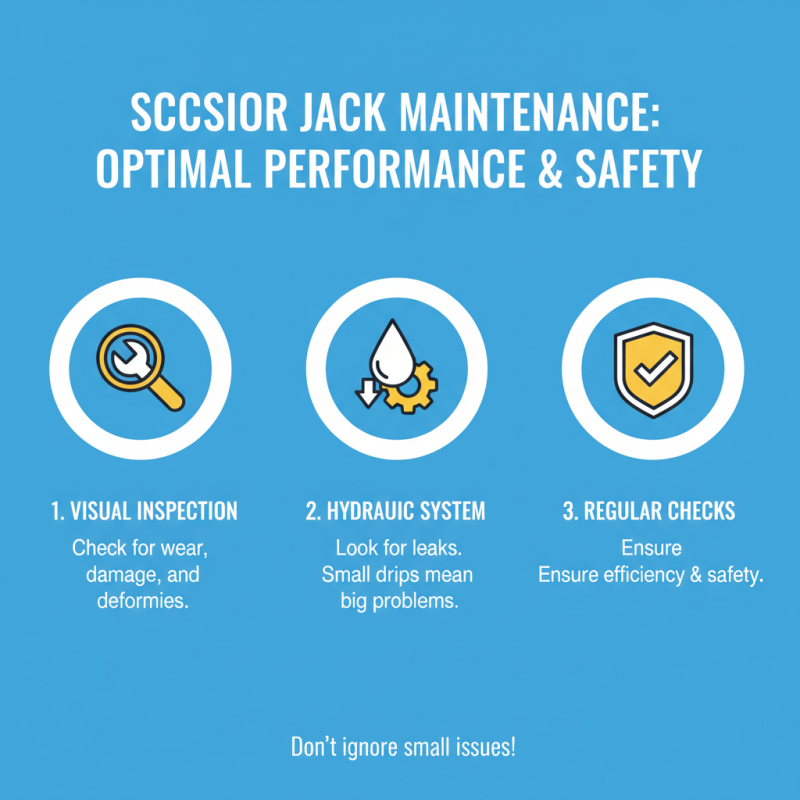
Maintaining an automatic scissor jack ensures both safety and efficiency. Regular checks are essential for optimal performance. Inspect the jack for any visible wear or damage. Look closely at the hydraulic system for leaks, as these can lead to serious malfunctions. A small leak can grow quickly if not addressed.
Lubrication is another key aspect of maintenance. Apply a suitable lubricant to all moving parts. This helps prevent rust and maintains smooth operation. Regularly clean the jack to remove dirt and debris, which can impair its function. Keep the power supply in good condition, checking connections for corrosion.
It’s also wise to consult the user manual for specific care guidelines. Users often overlook this, yet it's a valuable resource. Consider safety measures such as testing the jack’s stability before a lift. If the jack feels uneven, reassess the lifting environment. Remember, regular maintenance not only extends the jack’s lifespan but also enhances safety during usage.