What is an Auto Scissor Jack and How to Choose the Best One for Your Needs
When it comes to vehicle maintenance and emergency repairs, having the right tools at hand is crucial for safety and efficiency. One such essential tool is the Auto Scissor Jack, which provides the convenience of lifting a vehicle effortlessly for tire changes or other maintenance tasks. Unlike traditional jacks, Auto Scissor Jacks offer a compact and portable design, making them ideal for those who require a reliable lifting solution without occupying much space.
Choosing the best Auto Scissor Jack for your needs involves understanding the various features and specifications that can impact performance. Factors such as weight capacity, lifting height, and ease of use are pivotal in selecting the right model. In this article, we will explore the different attributes of Auto Scissor Jacks, offering insights into what makes each jack unique, thereby guiding you in making an informed decision tailored to your specific requirements. Whether you are a seasoned mechanic or a car enthusiast, knowing how to choose the best Auto Scissor Jack will ensure you are well-prepared for any automotive challenge that comes your way.

What is an Auto Scissor Jack and Its Basic Functionality
An auto scissor jack is a compact and efficient lifting device designed primarily for vehicles. Its design features a scissor mechanism that allows the jack to extend vertically when operated, enabling users to lift their cars for maintenance, tire changes, or other mechanical work. The basic functionality hinges on the mechanical advantage provided by its scissor-like structure, which multiplies the force applied by the user or a power source, allowing significant weight to be lifted with minimal effort.
Using an auto scissor jack typically involves a simple process. The user positions the jack under the vehicle at the designated lifting point, ensuring stability and safety. Once secured, the jack is activated—either manually through a handle or electrically via a power source—causing the scissor arms to expand. This vertical motion raises the vehicle smoothly, providing enough clearance for tire removal or other services. The design benefits from being lightweight and portable, making it a popular choice for emergency roadside assistance and regular vehicle maintenance at home.
When choosing the best auto scissor jack for personal needs, factors such as weight capacity, height range, and ease of use should be considered. Understanding these basic functionalities and features helps users select a jack that not only meets their lifting requirements but also ensures safety and efficiency during vehicle repairs.
Key Features to Consider When Selecting an Auto Scissor Jack
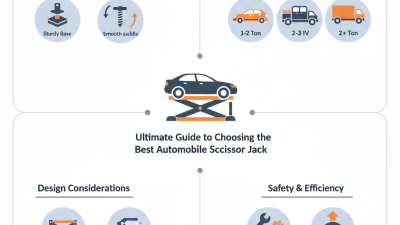
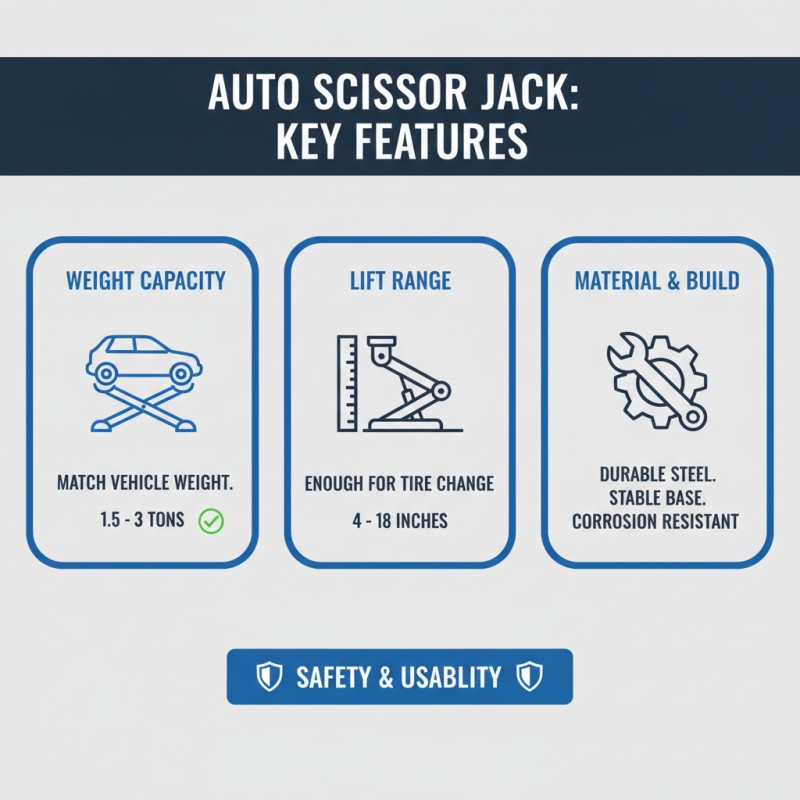
When selecting an auto scissor jack, there are several key features to consider that can significantly affect both safety and usability. Firstly, the weight capacity of the jack is crucial; it should be able to support the weight of your vehicle. Auto scissor jacks come with varying weight limits, typically ranging from 1.5 tons to 3 tons. Ensuring that the jack meets or exceeds your vehicle's weight is essential to avoid malfunctions during use.
Another important feature is the lifting height and the range of adjustment the jack provides. Different vehicles have different ground clearance, so a jack with an adjustable lifting range will allow for greater versatility across various car models. Moreover, consider the construction material and the jack's design. A sturdy, durable construction often results in better longevity and performance. Additionally, user-friendly features such as a manual or electric power option, ease of storage, and simple operation mechanisms can enhance the overall user experience, making maintenance and emergency tire changes easier and safer.
Comparative Analysis of Manual vs. Auto Scissor Jacks in the Market
When it comes to lifting vehicles for maintenance or emergency situations, both manual and auto scissor jacks have their place in the market.
Manual scissor jacks, which require physical effort to operate, have been around for decades. Their simplicity and reliability make them appealing for occasional users who do not mind a bit of manual labor.
Users can appreciate the straightforward mechanics behind these jacks, which typically involve a screw mechanism that raises and lowers the vehicle. This option can be particularly beneficial for those who prioritize
durability and cost-effectiveness, as manual jacks usually come at a lower price point and tend to have fewer components that could potentially fail.
On the other hand, auto scissor jacks offer an array of conveniences that modern users are beginning to favor.
These jacks often come equipped with electric or hydraulic systems that allow for easy operation at the push of a button. The reduced physical strain makes auto jacks particularly appealing for individuals with limited strength or those who may need to use the jack in tight or difficult-to-reach spaces.
Additionally, many auto scissor jacks include features like built-in safety mechanisms to prevent overextension and offer precise lifting capabilities.
When comparing the two options, potential buyers should consider their frequency of use, storage space for the jack, and whether they prioritize convenience over the traditional mechanical process.
Safety Standards and Weight Capacities for Auto Scissor Jacks
When selecting an auto scissor jack, safety standards and weight capacities are crucial factors to consider. Safety standards, often established by organizations such as the American National Standards Institute (ANSI) and the Occupational Safety and Health Administration (OSHA), ensure that the jack meets specific performance and safety criteria. It's essential to check for certifications that guarantee the jack's ability to safely lift and hold the weight of your vehicle while providing stable support during maintenance tasks. A jack that meets these standards is less likely to fail or cause accidents, significantly enhancing safety during operation.
Weight capacity is another critical consideration.
Each auto scissor jack has a specified weight limit, which indicates the maximum weight it can safely lift. It is vital to choose a jack that not only meets your vehicle's weight requirements but also provides a margin of safety. Typically, jacks come with weight capacities ranging from 1.5 tons to 3 tons or more. It's important to consult your vehicle's specifications to ensure you select a jack with an adequate lifting capacity. Failing to do so can lead to dangerous situations, such as jack failure or instability while lifting, which can cause injury or damage. Proper alignment with these safety standards and weight capacities will help ensure you choose the best auto scissor jack for your needs.
Top Brands and User Ratings: A Guide to the Best Auto Scissor Jacks
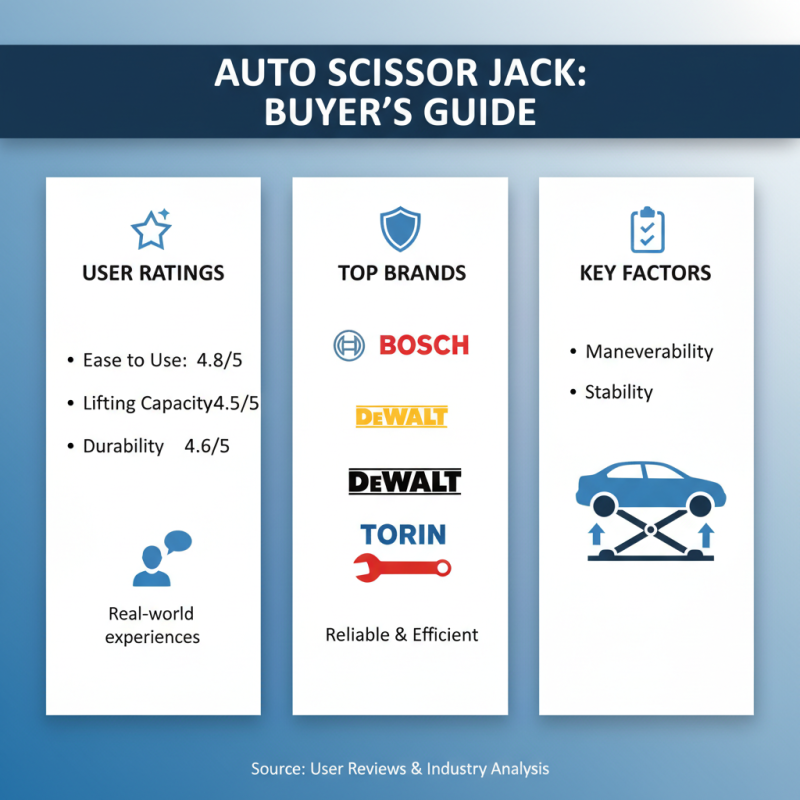
When selecting an auto scissor jack, understanding user ratings and brand reputations can significantly influence your decision. Top brands are often recognized for their reliability and efficiency, which can lead to higher user satisfaction. A thorough examination of user reviews highlights factors such as ease of use, lifting capacity, and overall durability. Users frequently share their experiences with maneuverability and stability while utilizing the jack, providing potential buyers valuable insights into what to expect.
In addition to brand reputation, exploring user ratings on various platforms can help you identify the best options available. Customers often rate jacks based on their performance during real-life applications, such as changing tires or performing maintenance tasks. Look for products that consistently receive high ratings for safety features, portability, and construction quality, as these elements can enhance your overall experience with the jack. Evaluating both brand credibility and user feedback ensures you make an informed choice tailored to your specific needs.