2026 How to Achieve Perfect Car Alignment And Balancing for Optimal Performance?
Achieving perfect car alignment and balancing is crucial for optimal vehicle performance. Misalignment can cause uneven tire wear, poor handling, and reduced fuel efficiency. Understanding the principles behind car alignment and balancing helps drivers make informed decisions about their vehicles.
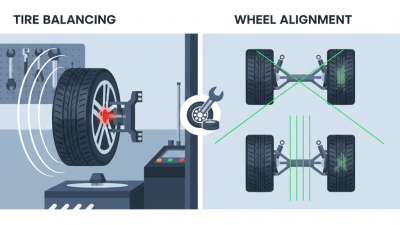
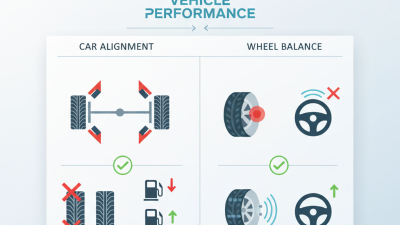
Proper car alignment ensures that all four wheels are positioned correctly. It enhances steering response and promotes even tire wear. On the other hand, balancing ensures that the weight of each tire is evenly distributed. This minimizes vibrations and improves ride comfort. Drivers often overlook these aspects, leading to performance issues.
Regular maintenance of car alignment and balancing is essential for safety and longevity. However, many drivers may ignore subtle signs of misalignment. Recognizing these indicators can save you from costly repairs. Being aware of your vehicle's needs is vital to maintaining its performance and safety.

Understanding Car Alignment and Its Importance for Performance
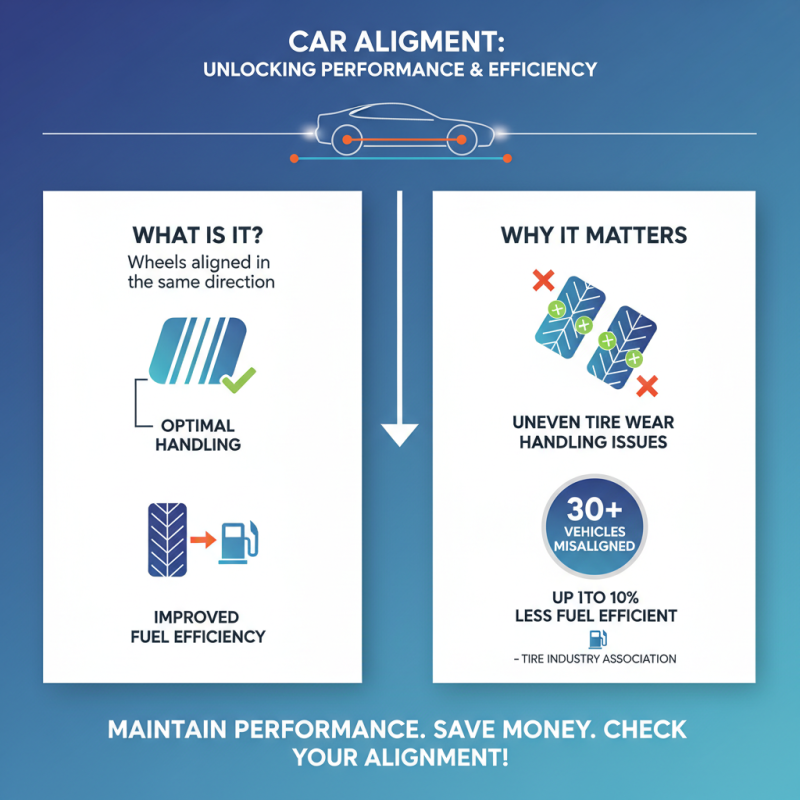
Car alignment is a crucial aspect of vehicle maintenance. Proper alignment ensures that all four wheels point in the same direction. Misalignment can lead to uneven tire wear and handling issues, impacting performance. According to the Tire Industry Association, over 30% of vehicles on the road today have misaligned wheels. This can reduce fuel efficiency by up to 10%.
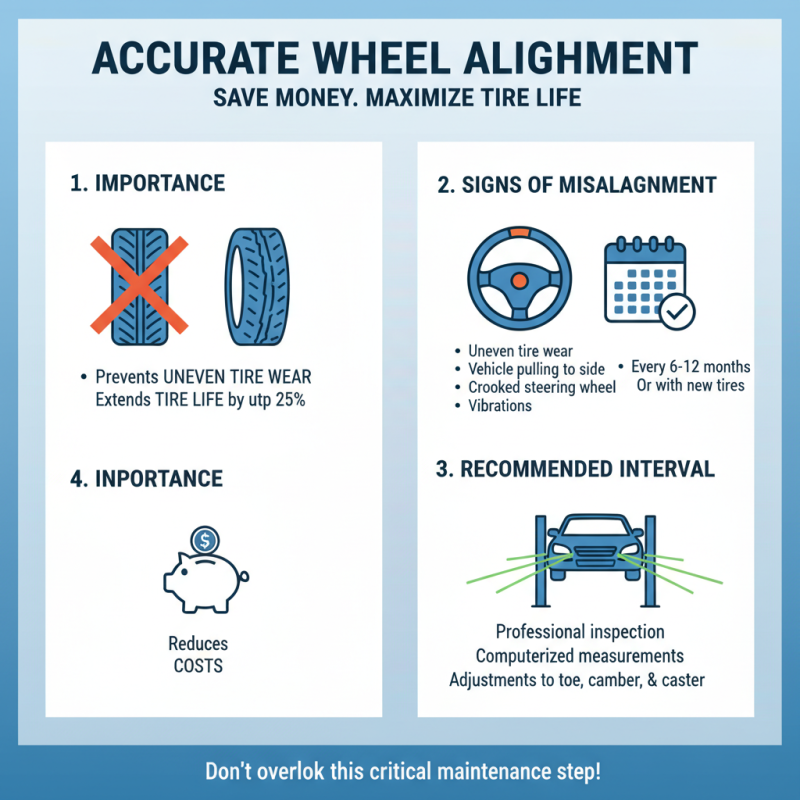
To maintain optimal performance, understand the signs of misalignment. If your steering wheel is off-center or your vehicle pulls to one side, it’s time for a check. Regular inspections are key. Most experts recommend alignment checks every 6,000 miles or at least once a year. This simple maintenance step can enhance tire lifespan and overall driving experience.
**Tips**: Check tire pressure regularly. Proper pressure aids in even tire wear and handling. Watch for any changes in how your vehicle responds. Addressing issues early can save money and prevent further damage. Make alignment part of your regular routine. Aligning your wheels can keep your driving smooth and enjoyable.
Common Symptoms of Misalignment and Imbalance in Vehicles
Misalignment and imbalance in vehicles can lead to numerous issues. Drivers often report a pull to one side while steering. This behavior can point to a misaligned suspension or worn tires. If you notice your steering wheel is off-center when driving straight, it's a clear symptom of this problem. Additionally, uneven tire wear is a visible indicator. Tires may show excessive wear on the inner or outer edges, leading to reduced traction and control.
Vibration in the steering wheel is another common symptom. A bumpy ride can indicate wheel imbalance. When the wheels do not rotate evenly, it creates a noticeable shake. This not only affects comfort but can also contribute to premature wear of other components. Listening for unusual noises while driving can also reveal issues. Knocking sounds might emerge from the suspension or tires, hinting at potential misalignment.
Addressing these symptoms promptly is crucial for performance. Ignoring them could result in costly repairs and unsafe driving conditions. Regular inspections and timely adjustments can prevent these frustrations. Be aware of how your vehicle responds to steering inputs and pay attention to any changes over time. These simple reflections can enhance your driving experience.
Detailed Steps for Achieving Accurate Wheel Alignment
Achieving precise wheel alignment is vital for optimal vehicle performance. Misalignment can lead to uneven tire wear. This can reduce tire lifespan by up to 25%, according to industry studies. Regular check-ups can save drivers significant costs in the long run. Many vehicle owners overlook this critical maintenance step.
To achieve accurate wheel alignment, start by inspecting tire pressure. Proper inflation is fundamental. Next, assess the suspension system for wear and damage. This includes checking control arms, bushings, and ball joints. Any signs of wear can lead to misalignment. It’s essential to use professional alignment equipment to measure angles like camber, caster, and toe. This equipment can help ensure that the angles are within specifications.
It is important not to ignore the impact of road conditions. Rough surfaces can quickly throw alignment off. Regularly monitoring your car's performance is crucial. For instance, if the steering wheel vibrates or pulls to one side, it's a clear sign that something may be wrong. Investing in regular alignment checks can enhance safety and improve fuel efficiency by up to 10%. Regular alignment and balancing can lead to a smoother ride and better grip on the road, making it an essential service for all drivers.
Techniques for Effective Wheel Balancing Procedures
Achieving effective wheel balancing is critical for optimal car performance. A well-balanced wheel can enhance ride quality, improve fuel efficiency, and prolong tire life. It is essential to understand the key techniques involved in proper wheel balancing.
One common method is dynamic balancing. This technique uses specialized machinery to assess wheel weight distribution. The equipment identifies heavy spots and compensates by adding weights in precise locations. This requires skill and experience to ensure accuracy. Technicians should pay close attention to the placement of these weights; a small error can lead to vibrations or uneven tire wear.
Another method involves static balancing. This simpler technique checks if the wheel remains level when stationary. It is suitable for standard vehicles but may not suffice for high-performance cars. In some cases, misalignment occurs, leading to balance issues. Regular inspections are vital to catch these problems early. Maintaining balance is not always straightforward; it requires continuous assessment and fine-tuning to achieve peak performance.
Maintaining Regular Alignment and Balancing for Long-Term Benefits
Regular alignment and balancing of your car are crucial for maintaining performance.
Misalignment can lead to uneven tire wear. It can also affect your vehicle's handling. These issues may not always be obvious.
However, they can become serious over time.
Many drivers overlook the importance of routine checks.
They might ignore signs like drifting or vibrating. It often leads to costly repairs down the line.
Investing in regular alignment can extend the life of your tires and suspension.
A simple adjustment can prevent premature wear and enhance fuel efficiency.
Periodic balancing is equally important. It ensures even tire wear and a smooth ride.
Unbalanced tires can cause vibrations and strain on the vehicle. This can impact overall driving comfort and safety.
Take time to examine your vehicle's performance. It might reveal hidden alignment or balancing issues that need attention.