2025 Top 10 Tips for Optimal Wheel Alignment and Tire Balance
In the realm of vehicle maintenance, achieving optimal wheel alignment and tire balance is paramount to ensuring safety, performance, and longevity of tires. According to the Tire Industry Association, improperly aligned wheels can cause tire wear that shortens tire life by up to 50%. In addition, the National Highway Traffic Safety Administration reports that poor alignment significantly affects vehicle handling, which can lead to dangerous driving conditions.
Moreover, the correlation between proper wheel alignment and fuel efficiency cannot be overlooked. The U.S. Department of Energy suggests that misalignment can reduce fuel economy by as much as 10%, translating to higher costs for drivers and increased carbon emissions. As we delve into the top 10 tips for optimal wheel alignment and tire balance in 2025, it is crucial to understand both the economic and ecological benefits of maintaining precise alignment and balance.
These practices not only enhance driver safety but also contribute to overall vehicle performance and cost-effectiveness over time.
Importance of Proper Wheel Alignment and Tire Balance
Proper wheel alignment and tire balance are essential for maintaining vehicle safety and performance. Misaligned wheels can lead to uneven tire wear, reduced fuel efficiency, and compromised handling, especially in regions with rapidly changing weather conditions, like Colorado. Regularly checking and adjusting wheel alignment ensures that the tires make optimal contact with the road, providing better traction and control.
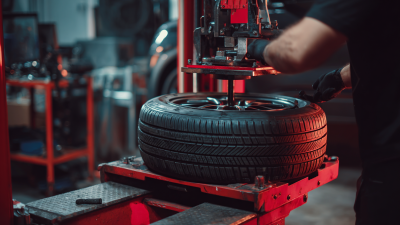
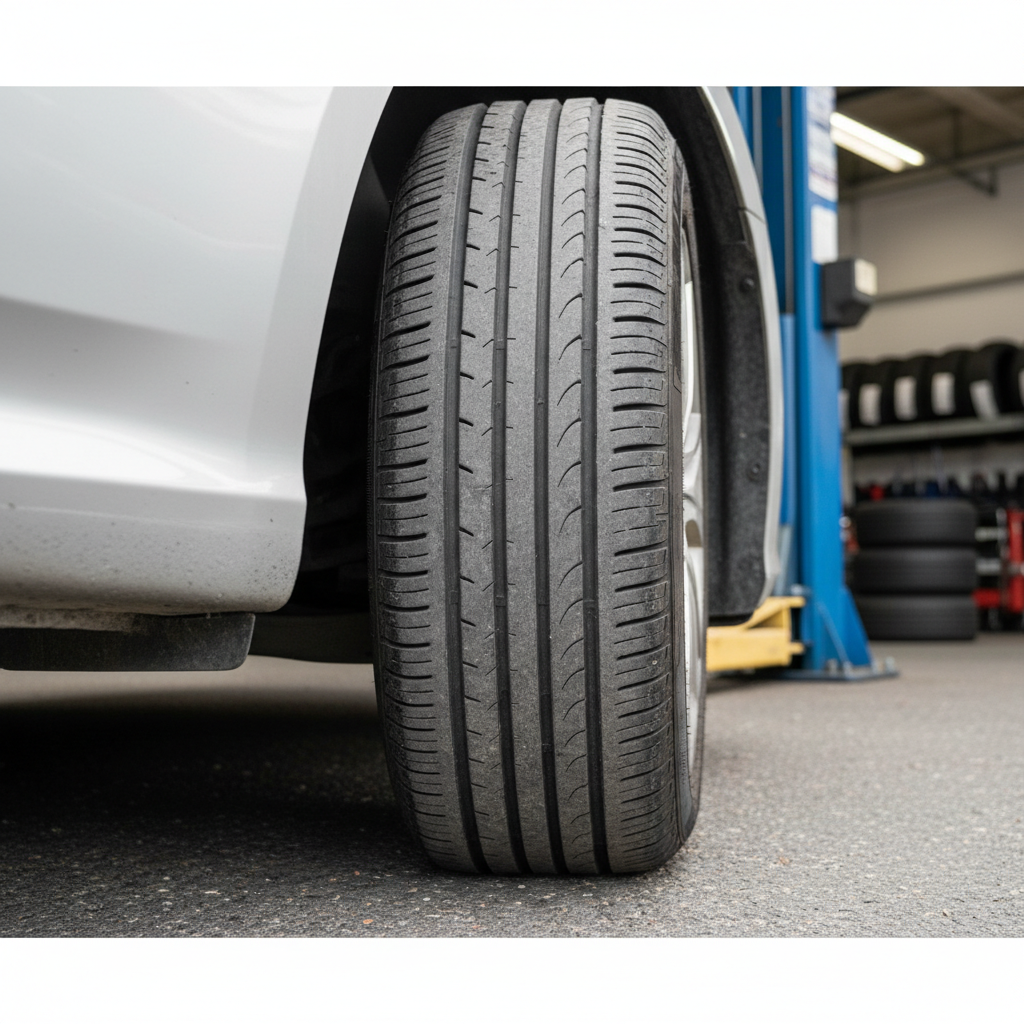
Tire balance is equally important, allowing tires to spin smoothly without vibrations. This stability not only enhances the driving experience but also prolongs the life of the tires. Drivers are advised to inspect their tires monthly, focusing on tread depth and air pressure, to prevent issues like bursts or loss of control while driving. By prioritizing proper wheel alignment and tire balancing, vehicle owners can enhance safety and maximize the longevity of their tires.
Key Signs Indicating Misalignment or Imbalance
Misalignment or imbalance in your vehicle can lead to various issues, affecting performance and safety. One of the most common signs of misalignment is uneven tire wear. If you notice that one side of your tires is wearing down faster than the other, it's a clear indication that your wheels are not aligned properly. Additionally, if your vehicle pulls to one side while driving, this may signal a misalignment that needs immediate attention. Regularly checking your tire pressure and tread can help catch these issues early.
To achieve optimal wheel alignment and tire balance, consider the following tips: first, have your alignment checked periodically, especially after hitting a pothole or curb. Keeping your tires rotated at recommended intervals can also help maintain balance and promote even wear. Finally, investing in high-quality tires suited to your driving conditions will significantly enhance overall performance. Remember, addressing misalignment or imbalance promptly is key to prolonging the life of your tires and ensuring a safe driving experience.
Step-by-Step Guide to Achieving Optimal Wheel Alignment
Achieving optimal wheel alignment is crucial for the longevity and performance of your vehicle. The first step is to start with a thorough inspection of your tires for uneven wear, which can indicate alignment issues. Ensure that your tire pressures are at manufacturer-recommended levels, as this can affect alignment accuracy. Next, check the vehicle's suspension and steering components for any signs of damage or wear, as these can significantly impact alignment settings.
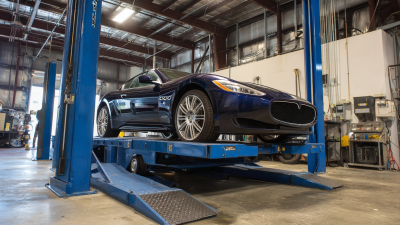
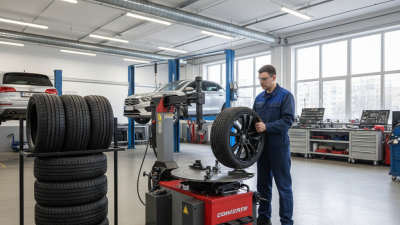
Once these preliminary checks are complete, it’s time to utilize a professional alignment system. This involves positioning your vehicle on a level surface and attaching alignment heads to each wheel. By taking precise measurements of the angles, technicians can adjust the camber, caster, and toe angles according to manufacturer specifications. Following this, a test drive can help identify any residual issues, ensuring that your vehicle not only drives straight but also maximizes tire life and fuel efficiency. Regular checks, ideally every 6,000 miles, maintain optimal alignment and balance, leading to a better driving experience.
2025 Top 10 Tips for Optimal Wheel Alignment and Tire Balance
This bar chart illustrates the importance of various tips for achieving optimal wheel alignment and tire balance in vehicles. The data represents the effectiveness rating of each tip based on survey results from automotive experts.
Tips for Maintaining Tire Balance Throughout Vehicle Use
Maintaining proper tire balance is crucial for ensuring a smooth ride and prolonging the life of your tires. One effective tip is to regularly check your tire pressure. Under-inflated or over-inflated tires can lead to uneven wear and imbalance, affecting your vehicle's handling and performance. Make it a habit to inspect your tire pressure monthly and adjust it according to the manufacturer’s recommended specifications.
Another important aspect is to perform regular tire rotations. By swapping the position of your tires every 6,000 to 8,000 miles, you can promote even tread wear and balance throughout your vehicle. This practice helps prevent specific tires from wearing out faster than others, maintaining optimal handling and traction, and ultimately enhancing your safety on the road.
Lastly, pay attention to any unusual vibrations or noises while driving, as they can indicate an imbalance. If you notice such changes, it's best to have your tires inspected and balanced by a professional. Early detection and correction can save you from costly replacements and ensure a safer driving experience. Regular maintenance is key to keeping your tires balanced and performing at their best throughout their lifespan.
2025 Top 10 Tips for Optimal Wheel Alignment and Tire Balance
| Tip Number |
Tip Description |
Frequency |
Impact on Tire Life |
Estimated Cost |
| 1 |
Regularly check tire pressure |
Monthly |
Increases by up to 30% |
$0 (DIY) |
| 2 |
Get wheel alignment annually |
Yearly |
Extends tire life by 25% |
$75-$100 |
| 3 |
Perform tire rotation |
Every 6,000 miles |
Enhances uniform wear |
$20-$50 |
| 4 |
Inspect tires for damage |
Monthly |
Prevents premature failure |
$0 (DIY) |
| 5 |
Balance tires after installation |
Every installation |
Improves handling |
$40-$70 |
| 6 |
Avoid overloading your vehicle |
Always |
Extends tire durability |
$0 |
| 7 |
Choose quality tires |
Upon purchase |
Higher performance |
Varies |
| 8 |
Maintain alignment after hitting a curb |
Immediately |
Prevents uneven wear |
$75-$100 |
| 9 |
Use proper alignment settings |
During alignment |
Maximizes tire efficiency |
$0 |
| 10 |
Store tires correctly when not in use |
Seasonally |
Prevents damage |
$0 (DIY) |
Choosing the Right Professional for Wheel Alignment Services
When it comes to maintaining your vehicle's performance, choosing the right professional for
wheel alignment services is crucial. According to industry reports,
improper wheel alignment can cause your tires to wear unevenly, leading to decreased fuel efficiency
and increased costs over time. The Tire Industry Association states that
proper alignment can improve tire life by up to 30%,
highlighting the importance of professional alignment services.
When selecting a professional for alignment work, consider their certifications
and experience. The National Institute for Automotive Service Excellence (ASE)
offers certification programs for automotive technicians, ensuring they are knowledgeable about
the latest wheel alignment technology and practices. Additionally, look for facilities equipped
with modern alignment tools, such as computerized alignment machines, which can provide precise
measurements. A study by the Automotive Service Association indicates that
vehicles that undergo routine alignments can maintain better handling and safety, emphasizing
the long-term benefits of investing in professional services.