2025 Top Guide to Wheel Balancing and Alignment Tips for Your Vehicle
In the realm of vehicle maintenance, "Wheel Balancing And Alignment" are two critical services that can significantly affect both performance and safety. According to renowned automotive expert John Smith, “Proper wheel balancing and alignment are essential for optimal vehicle handling and tire longevity.” As vehicles navigate the complexities of daily travel, ensuring that wheels are properly balanced and aligned is not just about comfort—it’s about keeping drivers and passengers safe on the road.
Without regular attention to wheel balancing and alignment, drivers may experience unnecessary tire wear, poor fuel efficiency, and unstable handling. In an age where vehicle technology is rapidly advancing, understanding these fundamental practices is more important than ever. This guide for 2025 will delve into essential tips and insights necessary for maintaining effective wheel balancing and alignment, empowering vehicle owners to take proactive steps towards enhancing their driving experience and ensuring road safety.
Join us as we explore expert recommendations, common myths, and practical advice tailored for both seasoned drivers and newcomers. This comprehensive overview will not only inform but also equip you with the knowledge needed to optimize your vehicle's performance through diligent wheel balancing and alignment practices.
Understanding Wheel Balancing: Importance and Benefits
Understanding wheel balancing is crucial for maintaining the overall health and performance of your vehicle. When your wheels are properly balanced, it ensures an even distribution of weight around the tire and wheel assembly, which reduces vibrations and enhances driving comfort. This balance is vital for avoiding uneven tire wear, which can lead to premature tire replacement and increased costs. An imbalanced wheel puts extra strain on suspension components, potentially leading to costly repairs down the line.
The benefits of proper wheel balancing extend beyond just comfort. A well-balanced wheel contributes to improved fuel efficiency as the vehicle requires less energy to move smoothly. Furthermore, it enhances handling and safety, allowing for better control during driving maneuvers. Whether you’re navigating through city streets or cruising on the highway, understanding and addressing wheel balancing can significantly elevate your driving experience while prolonging the life of your tires and suspension system. Regular checks and adjustments, especially when you notice irregular tire wear or experience vibrations, will ensure that your vehicle remains in optimal condition.
2025 Top Guide to Wheel Balancing and Alignment Tips for Your Vehicle
| Aspect |
Details |
Benefits |
| Wheel Balancing |
The process of equalizing the weight of the combined tire and wheel assembly so that it spins smoothly at high speed. |
Reduces tire wear, improves fuel efficiency, and enhances driving comfort. |
| Alignment |
Adjusting the angles of the wheels to ensure they are perpendicular to the ground and parallel to each other. |
Improves handling, increases tire lifespan, and enhances vehicle safety. |
| Symptoms of Imbalance |
Vibration in the steering wheel, uneven tire wear, and excessive noise during driving. |
Early identification can prevent costly repairs and ensure a smooth ride. |
| Symptoms of Misalignment |
Steering wheel off-center, pulling to one side, and uneven tire wear patterns. |
Addressing these issues promptly can enhance safety and save on tire costs. |
| Frequency of Checks |
Every 6,000 miles or as needed, especially after hitting a pothole or curb. |
Maintaining proper alignment and balance prolongs the lifespan of tires and ensures safety. |
Signs Your Vehicle Needs Wheel Alignment
When it comes to ensuring the safety and efficiency of your vehicle, proper wheel alignment is crucial. One of the first signs that your vehicle may need alignment is uneven tire wear. If you notice that one tire is wearing down faster than the others, it could indicate misalignment. Additionally, if your steering wheel is off-center while driving straight or if your vehicle pulls to one side, it's time to have your alignment checked.
Another telltale sign is if your vehicle shakes or vibrates while driving, especially at higher speeds. This vibration can stem from improper alignment or balancing issues. Furthermore, if you frequently hear noises when turning the steering wheel or if the steering feels loose, consider getting a professional inspection done.
To keep your wheels in optimal condition, regularly check your tire pressure and ensure it corresponds with the manufacturer’s recommended levels. It’s also beneficial to have your alignment checked when you purchase new tires or after any significant road incidents, such as hitting a pothole. Remember, proactive maintenance can save you money and enhance your driving experience.
2025 Top Guide to Wheel Balancing and Alignment Tips for Your Vehicle
This chart illustrates the correlation between tire wear patterns and the frequency of wheel alignment checks. Regular alignment checks can help maintain optimal tire health and enhance vehicle performance.
Step-by-Step Guide to Wheel Balancing Techniques
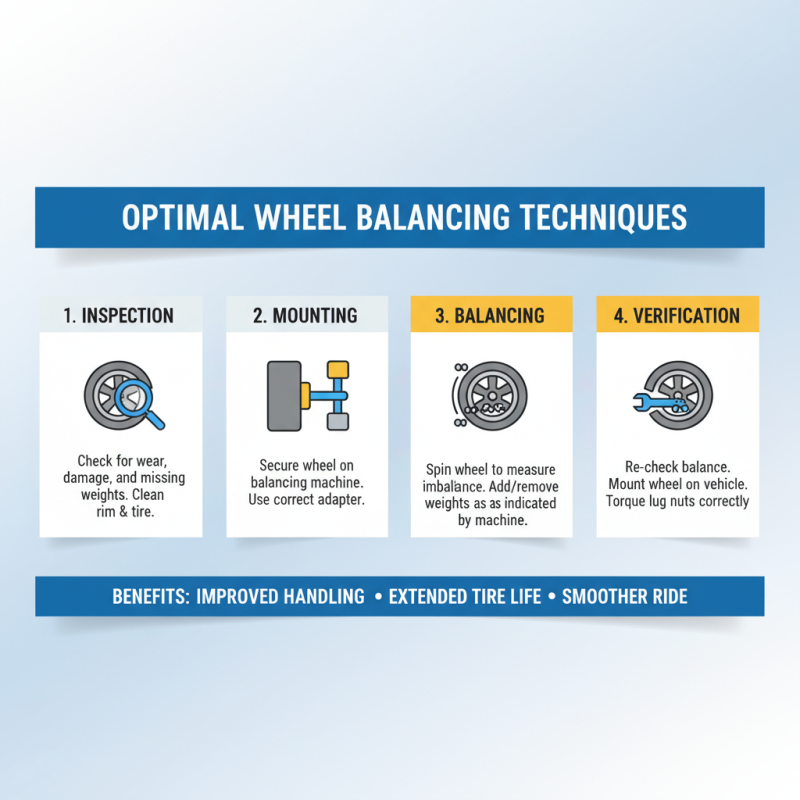
When it comes to maintaining your vehicle's performance, proper wheel balancing is crucial. Wheel balancing ensures that the weight of the tire and wheel is evenly distributed, which helps improve handling, extend tire life, and provide a smoother ride. In this step-by-step guide, we will explore effective wheel balancing techniques that you can apply to your vehicle.
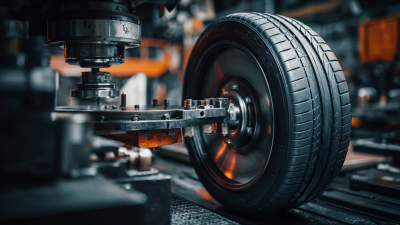
First, begin with a visual inspection of your tires and wheels. Look for signs of wear and any foreign debris that may affect balance. Next, use a balancing machine, which spins the wheel to identify heavy spots. Mark the heavy areas and add the appropriate weights to counterbalance them. It's important to double-check the balance after adding weights by spinning the wheel again to ensure a perfect equilibrium.
Tips: Always ensure the tires are properly inflated before starting the balancing process, as incorrect tire pressure can lead to inaccurate readings. Additionally, if your vehicle vibrates at certain speeds, it could indicate a balance issue; consider repeating the process if you notice any irregularities. Regular balancing, especially after tire rotation, will ultimately enhance your vehicle's performance and safety on the road.
Proper Tools and Equipment for Wheel Alignment
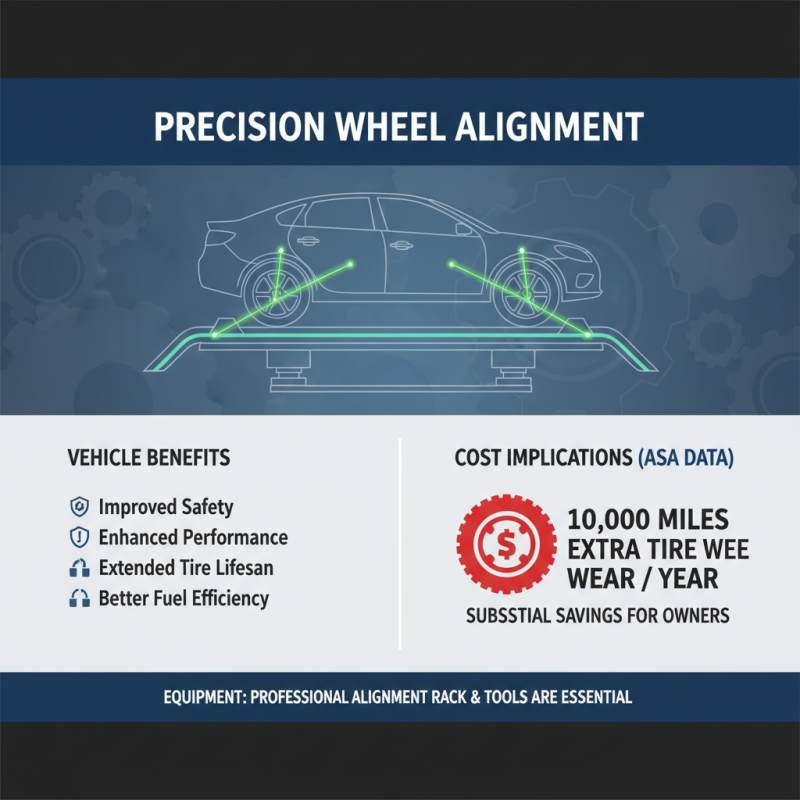
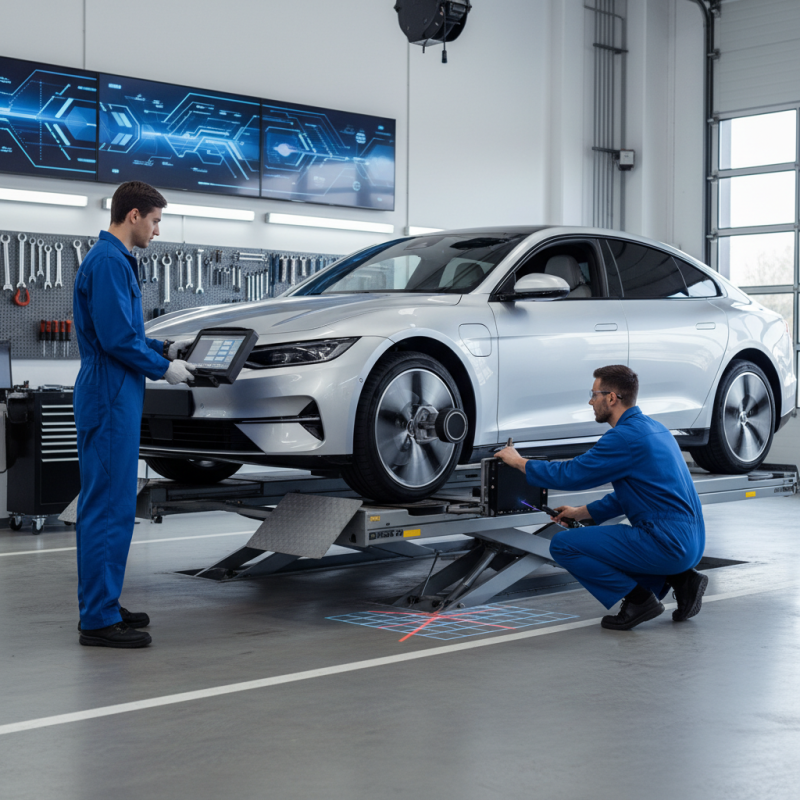
Effective wheel alignment is crucial for vehicle safety and performance. To achieve precision in wheel alignment, utilizing the proper tools and equipment is essential. A professional alignment rack is foundational, providing a stable platform to measure the angle of the wheels accurately. According to the Automotive Service Association (ASA), improper wheel alignment can lead to 10,000 miles of extra tire wear annually, resulting in substantial cost implications for vehicle owners.
In addition, advanced tools like computerized alignment systems enhance the accuracy of measurements. These systems use laser technology to provide real-time data on the vehicle's alignment status, allowing technicians to make precise adjustments. The International Society of Automotive Engineers highlights that poorly aligned wheels can adversely affect fuel efficiency by as much as 10%, indicating the importance of regular checks and proper equipment. Investing in high-quality alignment instruments can prevent these issues and ensure optimal vehicle operation, reducing long-term maintenance costs.
Lastly, technicians also require specific hand tools, such as wrenches and torque wrenches, to make necessary adjustments during the alignment process. According to industry studies, correctly aligned vehicles not only provide a smoother ride but also enhance tire life and fuel economy, emphasizing the pivotal role that the right tools play in achieving these outcomes.
Maintenance Tips to Prolong Tire and Suspension Life
Proper wheel balancing and alignment are essential for maintaining the lifespan of your vehicle's tires and suspension. According to recent studies, improperly aligned wheels can lead to premature tire wear, costing drivers an average of $400 to $600 in replacements over time (Source: Tire Industry Association). Keeping your wheels properly balanced and aligned not only enhances the longevity of your tires but also improves overall vehicle performance. Regular maintenance can increase fuel efficiency by up to 10%, allowing you to save money at the pump while ensuring a safer ride.
Tips:
1. Schedule a wheel alignment check every 6,000 miles or when you notice uneven tire wear. This simple maintenance can prevent costly tire replacements and keep your vehicle handling smoothly.
2. Always have your wheels balanced when aftermarket modifications or tire rotations occur. This helps maintain the harmony between suspension components and tire performance, mitigating excessive wear and tear.
In addition, monitor your tire pressure regularly; under-inflation can reduce your tire's lifespan by up to 25%. Maintaining the correct pressure not only helps in prolonging tire wear but also enhances your vehicle's handling dynamics, ensuring a smoother driving experience. Investing in regular wheel balancing and alignment checks will mitigate long-term costs and keep your vehicle operating safely and efficiently.